A new kind of care experience — vision, hearing and confidence, considered around you. Book an appointment →
Book Appointment

Lenses · Lens Profile guides

Which glasses lenses are ‘best’ for you? Your prescription can't answer that on its own.

The honest answer is: it depends on how you use your eyes, not on which package you pick — and sometimes the answer is to change nothing.

This is a guide, not an eye test — any change in your vision is an examination first.

A menu, or a configuration

What a lens menu asks — and what we ask instead

What a package decides

  • A price tierBronze, Silver, Gold — chosen from a card, usually before your day has been described.
  • A coating bundleWhatever comes with the tier, whether or not you gave a reason for it.
  • A design by bandStandard, better, best — the tier sets the design, not your distances.
  • Default fitting valuesThe design’s defaults for wrap, tilt and vertex, unless someone measures.

What a STOTTS. configuration decides

  • Your distancesThe furthest and nearest points you actually use — desk, screens, the room, the road — measured, not assumed.
  • Your wearing positionHow the frame sits: wrap angle, pantoscopic tilt, vertex distance — measured in practice where the design accepts it.
  • A light layer with a reasonA coating, reactive lens or sun option only for something you told us — never added to raise the price.
  • One pair or twoA wardrobe decision made with you: your everyday pair first, a task pair only where it would genuinely do a job better.
  • Fitting and reviewFrame dimensions, fitting heights and corridor for the design, then a review after you collect.

Lens technology: Nikon Lenswear. Configuration: STOTTS. — assembled in practice by the people who will hand you the glasses.

What changes the answer

The seven things that change what we'd recommend.

None of them is on your prescription. Each one feeds a different STOTTS. configuration — and each configuration is honest about who it is not for.

  1. 01

    Screen hours and distances

    How long you are on screens, how many there are and how far away each one sits. Past a certain point an everyday lens is being asked to do a desk job.

    STOTTS. Screen
  2. 02

    Driving after dark

    Oncoming headlights, wet roads and dim light are a coating conversation. Road signs are a prescription conversation. We check which one you are having first.

    STOTTS. Drive
  3. 03

    Reading and detail work

    Sustained, head-down close work — crafts, fine detail, long sessions at one distance — can call for a lens set for the task rather than the bottom of an everyday lens.

    STOTTS. Focus
  4. 04

    Indoors versus out

    Where the light finds you decides between everyday lenses that react to light, a dedicated sun pair, or neither.

    STOTTS. Light
  5. 05

    Sport

    Regular play with a genuine visual demand asks for a lens shaped for a sports frame. Occasional play does not — and we say so.

    STOTTS. Active
  6. 06

    How you swap pairs

    Taking glasses off, looking over the top, swapping between pairs. The on-off routine is usually where one lens instead of two begins — and where the answer can be to change very little.

    STOTTS. Everyday
  7. 07

    How the frame sits

    Wrap angle, pantoscopic tilt and vertex distance change where the clear zones land. Measured in practice where the design accepts it, never left at the defaults.

    STOTTS. Precision
A designer leaning over a drawing board at a desk, wearing glasses
Imagery: Nikon Lenswear

Same prescription, different days

The same prescription, three different configurations.

Two people can walk in with an identical prescription and leave with different configurations — or with nothing new at all. Three days, told from the kind of answers people give us.

The desk worker

A varifocal wearer who spends most of the working week at a desk, moving between a laptop, a larger monitor and the person across it. They have started lifting their chin and turning their whole head to find the clear part of the lens. The profile names STOTTS. Screen — a pair set around the desk, with the plain caveat that it is not for driving — and leaves the everyday pair exactly as it is.

The profile namesSTOTTS. Screen

The night driver

A varifocal wearer with little screen time who drives most days, often after dark, and finds oncoming headlights and wet roads hard enough to put some evening journeys off. The profile names STOTTS. Drive — the coating is the change, on the pair they already drive in — and checks the prescription first, because road signs are a prescription conversation, not a coating one.

The profile namesSTOTTS. Drive

The settled wearer

A varifocal wearer whose day is a mix of everything and nothing in particular — some screens, some daylight driving, some reading — with none of the habits and no difficulty they could put a name to. The profile says Keep: no new configuration, the current pair kept, and what is working said out loud. We would rather tell you that than sell you a configuration.

The profile namesKeep — no new configuration

Three minutes about your day — desk, road, reading, outdoors, sport — and we'll show you the configuration we'd build, or tell you honestly that nothing needs to change.

Discover my Lens Profile

How a configuration is assembled

Configuration, not selection.

A configuration is not picked from a card. It is assembled in practice, in this order, whichever lens family your profile names.

  1. 01

    Understand

    Where your glasses currently let you down — driving, screens, reading, your working distances, comfort, previous varifocals and how they look.

  2. 02

    Configure

    The most appropriate lens type, working distances, light layer and pair strategy for you — assembled around your day, not picked from a tier, and not automatically the most expensive one.

  3. 03

    Measure

    The position of your eyes, how the frame sits on your face, your working distances and the exact measurements that lens design needs.

  4. 04

    Review

    Fit, comfort, adaptation and real-life performance after you collect them — and we adjust or put things right if needed.

Where Nikon comes in

Nikon is the technology. We are the judgement.

Nikon gives us an exceptional range of lens technology — personalised progressives, advanced coatings, light-adaptive and polarised lenses. Our expertise lies in identifying which part of that range is right for you, measuring it precisely, and making sure it performs properly in real life.

The result is a STOTTS. configuration — what we measure, decide and check around the lens. Lens technology: Nikon Lenswear. Configuration: STOTTS.

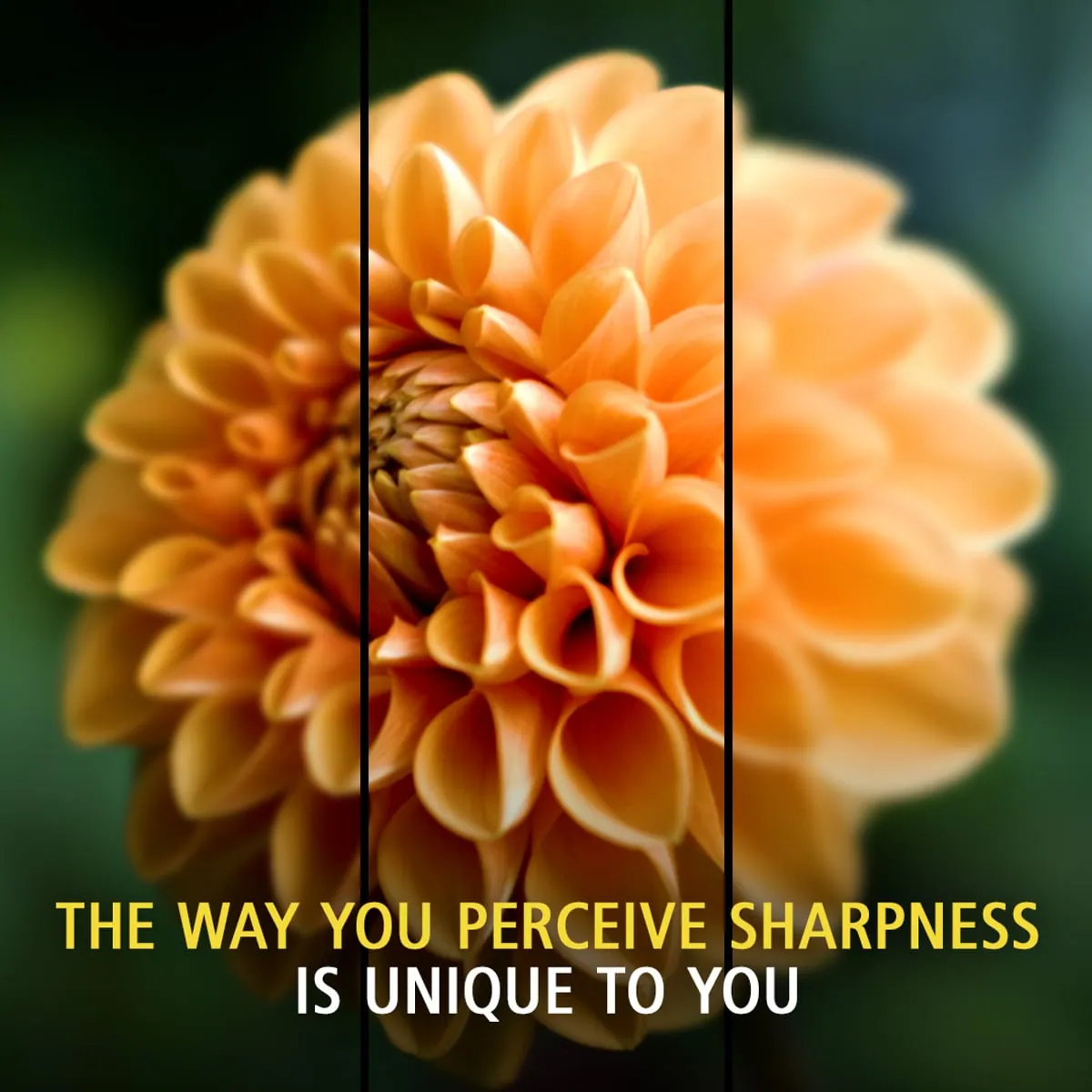
  • Nikon Z-Series progressive lenses — personalised to how you perceive sharpness Personalised progressives
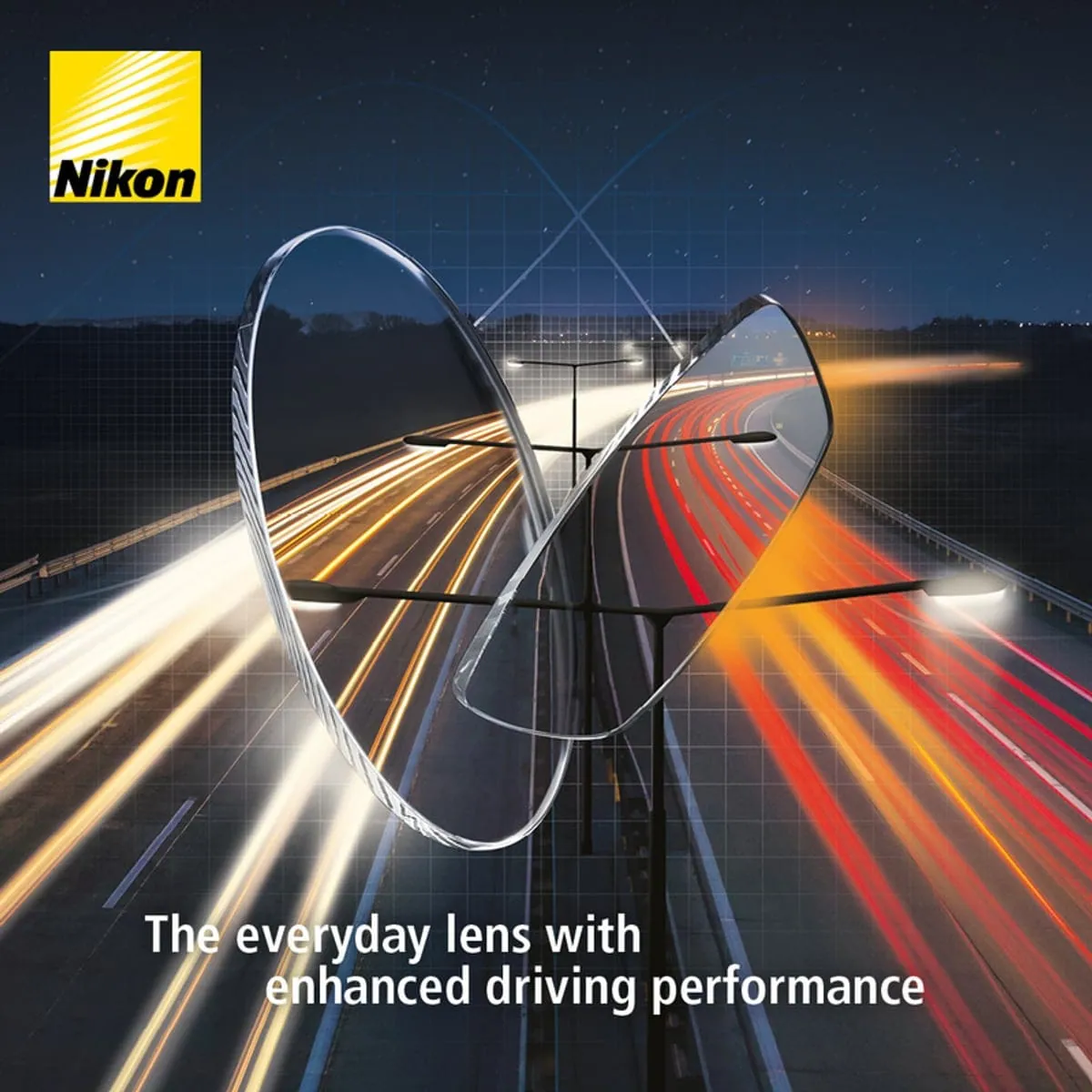
  • Nikon SeeCoat lens coatings for enhanced night-driving performance Coatings for clearer driving
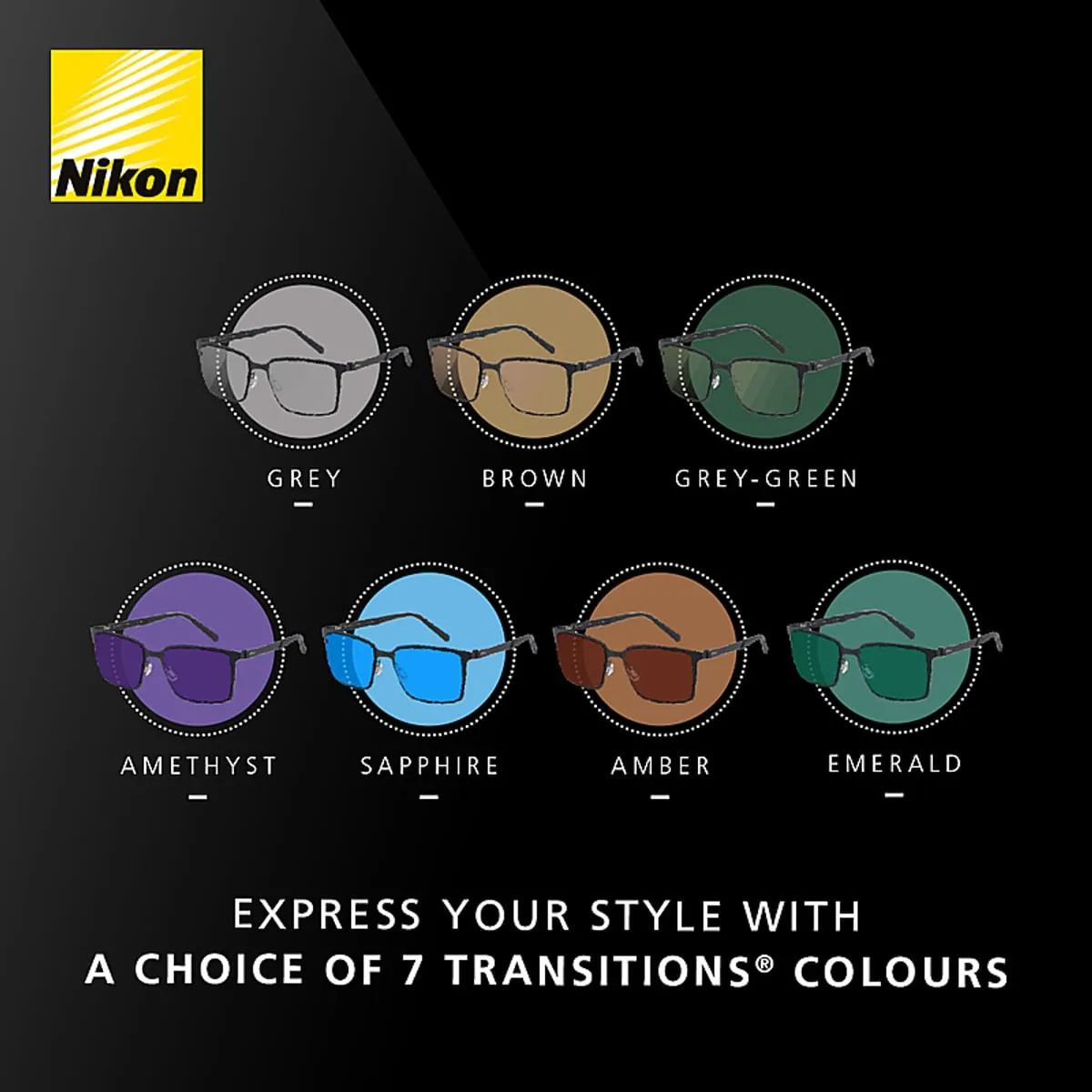
  • Nikon light-adaptive Transitions lenses that change with the light Lenses that adapt to light
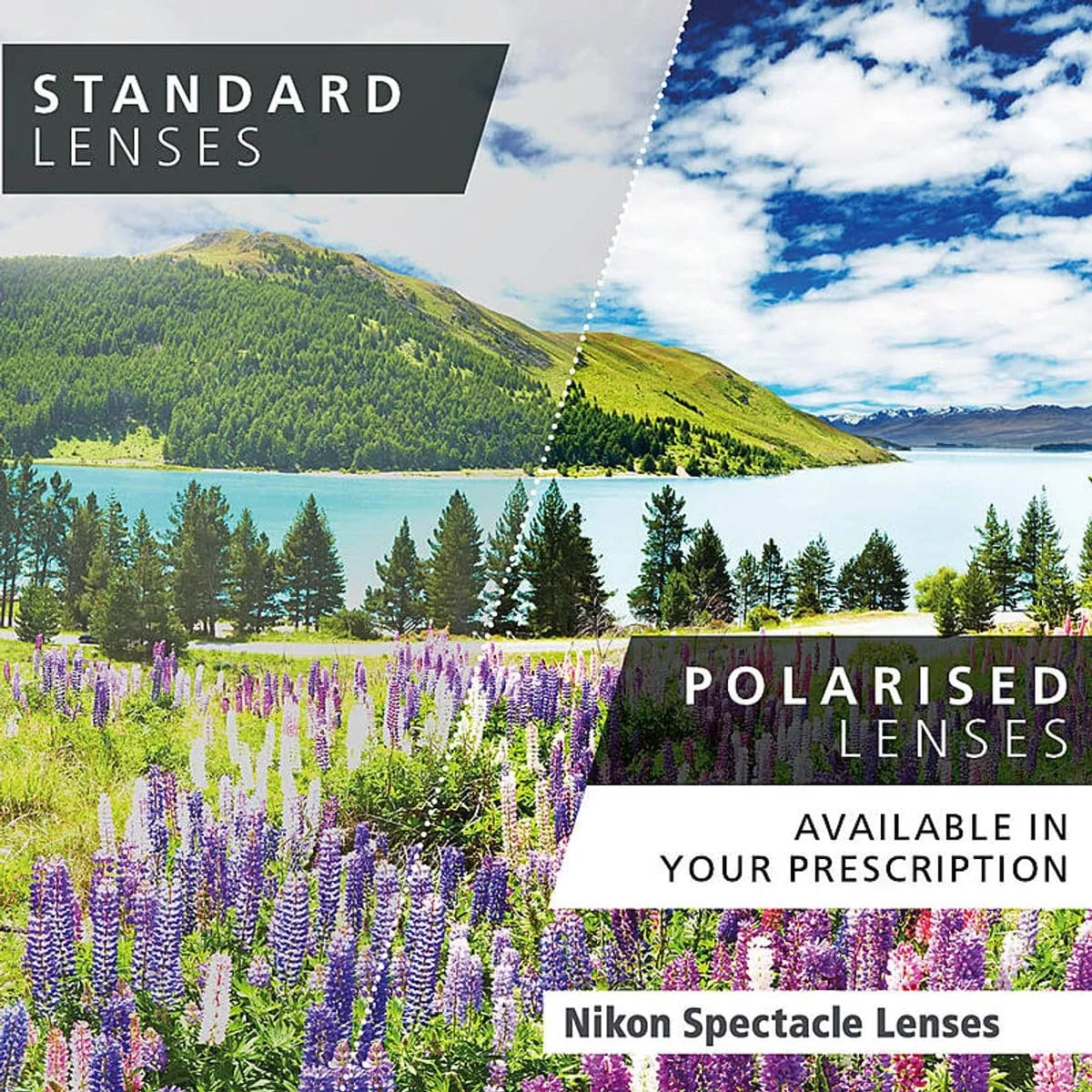
  • Nikon polarised prescription sunwear Prescription sunwear

Imagery: Nikon Lenswear

Questions people ask before they start.

Is this an eye test?

No. The Lens Profile asks how you use your eyes; it does not test them. Any change in your vision, or anything you are unsure about, is an eye examination first — and the profile routes you there itself rather than naming a lens.

Do I need to know lens jargon?

No. It asks about your day — desk, road, reading, outdoors, sport — in plain words, and about the habits you may have stopped noticing. The lens vocabulary is ours to handle in practice.

What if nothing needs changing?

Then the profile says so. When nothing you told us earns a change: your current set-up, kept, with what is working said out loud. That is a real answer, not a soft one. We would rather tell you that than sell you a configuration.

Do you only use Nikon?

The configurations the Lens Profile names are built around Nikon Lenswear technology, and each card names the lens family so you know what is being proposed. The exact design is a dispensing decision made with you in practice — the profile names the family, never the final lens.

Are Nikon lenses ‘exclusive’ to STOTTS.?

No. The lens technology is Nikon Lenswear's and is available from other opticians. The configuration — assessment, measurements, design parameters and dispensing — is ours.

Every lens question we're asked, answered.

This page is the way in. Each guide below takes one question people actually search for and answers it the way we would in practice — including the times the answer is that nothing needs to change.

Choosing, and what it costs

Screens and working life

Light, driving, reading and sport

The technology, and what we do with it

Ready when you are

Find out which configuration your day points at.

Three minutes, no sign-up to start. Bring the reference to any practice and we'll validate it against your prescription, measure the distances you use and assemble the configuration with you.

This is a guide, not an eye test — any change in your vision is an examination first.

Book appointment