
Treating the cause
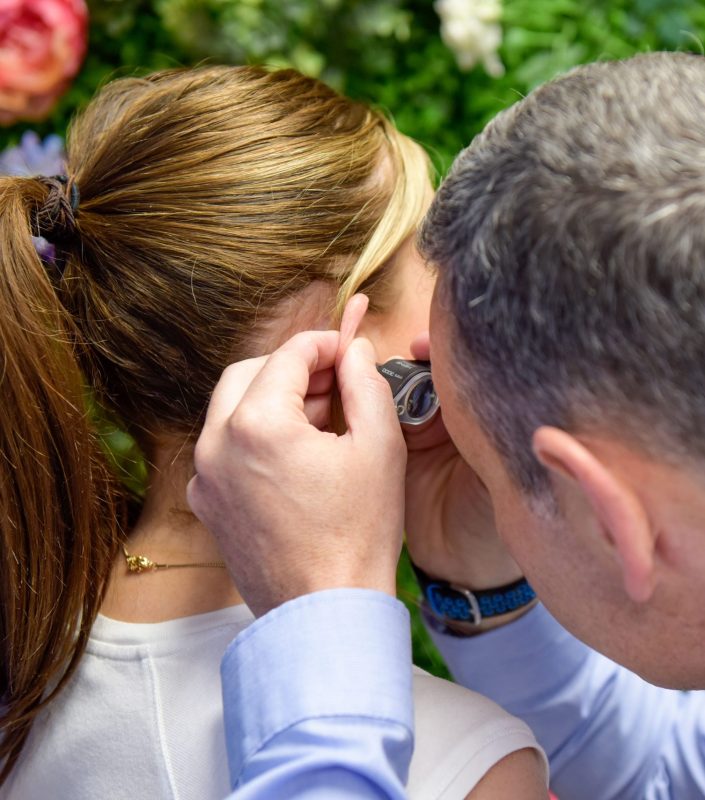
Sometimes it is as simple as removing a build-up of ear wax, which can settle the tinnitus on its own.
Hearing · Tinnitus support
Ringing, buzzing or whooshing in the ears?
Tinnitus is remarkably common, and for most people it is a nuisance rather than a danger. There is no single magic cure — but the honest, encouraging truth is that a great deal helps, and most people find their tinnitus becomes far less intrusive with the right support. That is exactly what our audiology team is here for.
Understanding it
Tinnitus is the experience of hearing a sound with no external source. It often has more than one cause — and very often it goes hand in hand with a change in hearing, which is why an assessment always starts by checking both your hearing and the health of your ears.
How we help
There is no need to simply put up with it. Our approach is calm, unhurried and built entirely around you — we identify anything treatable, then talk through what will genuinely help:
Sometimes it is as simple as removing a build-up of ear wax, which can settle the tinnitus on its own.
Where there is hearing loss, bringing back everyday sound makes tinnitus far less noticeable — often the single most effective step.
Gentle background sound takes the focus off the tinnitus, so it fades into the background over time.
Because stress makes tinnitus louder, managing sleep and stress genuinely helps — as can talking therapies for the distress it can cause.
Some of the hearing aids we fit — including Widex devices — have dedicated tinnitus-relief features built in. Where they suit you, we will show you how they work.
Worth checking sooner
Please see your GP or seek prompt advice if your tinnitus:
These are less common patterns that deserve a closer look, sooner rather than later. You can also read our fuller guide to what causes tinnitus and what helps.
For the vast majority of people, no — it is a symptom rather than a disease, and usually harmless in itself. A few patterns, such as one-sided or pulsatile tinnitus, do warrant prompt medical attention.
There is no single cure, but it is very manageable. Treating any underlying cause, hearing aids where there is hearing loss, sound therapy and stress management help most people a great deal.
Often, yes. Where there is hearing loss, hearing aids bring back everyday sound and make tinnitus much less noticeable — many people find it is quiet while they are wearing them.
See your GP or seek prompt advice if your tinnitus is only in one ear, pulses in time with your heartbeat, comes on suddenly, or comes with sudden hearing loss, dizziness or facial symptoms.
Most often it is linked to hearing loss (age-related or from loud noise). Ear wax, ear infections and loud-noise exposure are common causes too, and stress makes it more noticeable.
Start with an assessment
The first step is a full hearing assessment and a look inside your ears — calm, thorough and pressure-free. Book at your local STOTTS. practice across Greater Manchester and Lancashire.