
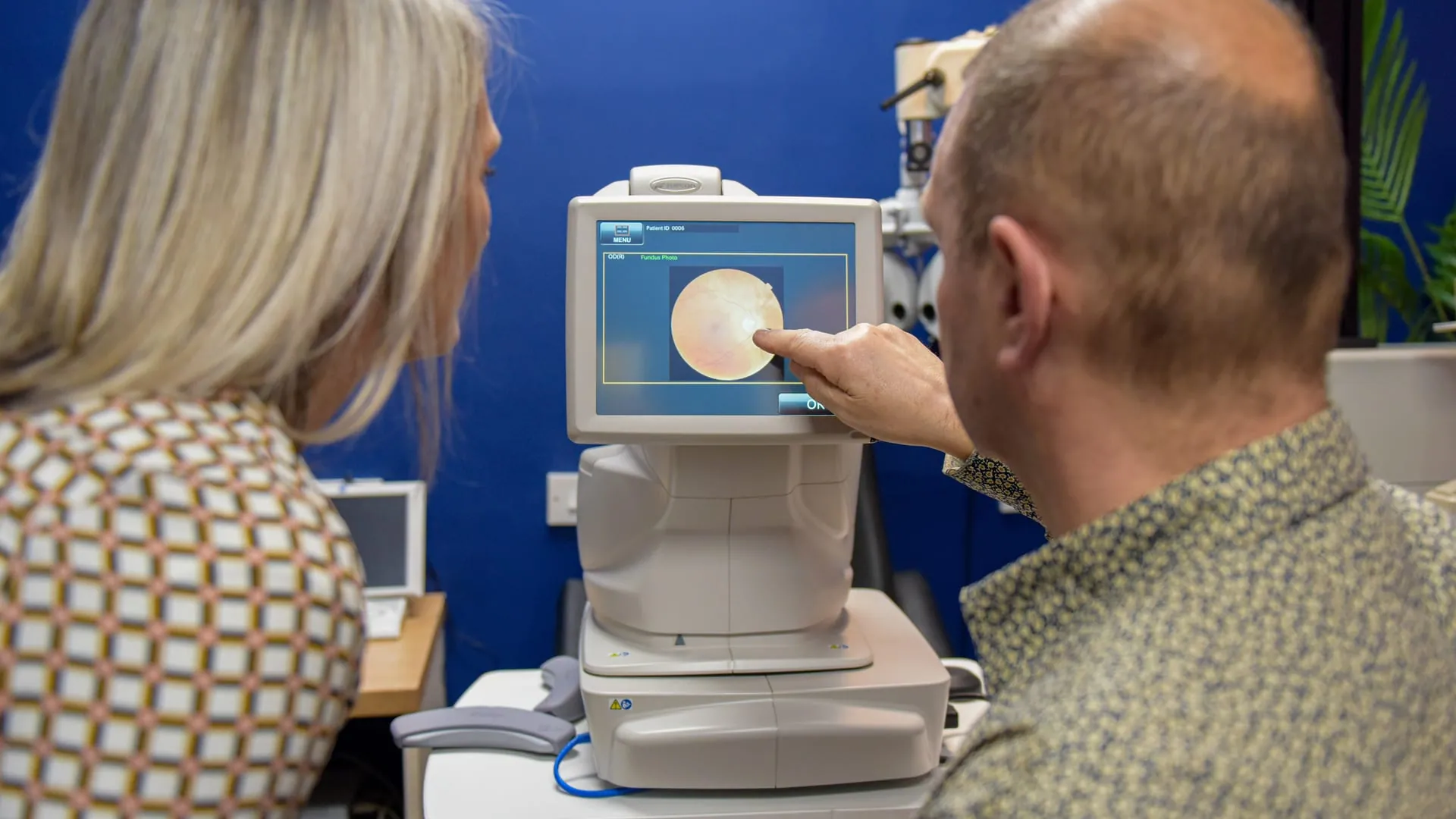
Glaucoma Screening
Protecting your sight before you notice a change.
Glaucoma often develops quietly — no pain, no blurred vision, no obvious sign. Our screening looks for the early signs, assesses your risk and monitors changes over time.
Why early detection matters
Glaucoma rarely announces itself.
- You may not feel pain.
- You may not notice blurred vision.
- You may not realise anything has changed.
But over time, glaucoma can quietly damage the optic nerve — the connection between your eye and your brain — and lead to permanent sight loss if left untreated. Our screening is designed to catch the early signs first.
Why screening matters
Pressure alone doesn't tell the whole story.
Glaucoma is often linked to pressure inside the eye — but some people develop it even when their pressure is within a normal range. By looking at pressure, the optic nerve, visual field and imaging together, we build a clearer picture of your eye health. And the earlier glaucoma is detected, the more we can do to protect your sight.
What your screening involves
A more complete view of your glaucoma risk.
Your screening brings together several important checks — and we explain what we find clearly, so you always know where you stand.
Eye pressure measurement
We measure the pressure inside your eyes, as raised pressure can increase the risk of glaucoma.
Optic nerve assessment
We carefully assess the optic nerve — the part of the eye most affected by glaucoma.
Advanced imaging
Where available, OCT imaging looks in detail at the structures at the back of the eye and tracks subtle change.
Visual field assessment
Glaucoma can affect peripheral vision. A field test checks for areas of reduced sensitivity you may not notice.
Ongoing monitoring
Change over time matters most. Regular monitoring helps us compare results and spot patterns early.
Clear explanation of findings
We explain what we find clearly, with referral guidance to specialist care where appropriate.
Is it for you?
Who should consider glaucoma screening?
Screening may be especially important if you:
- Have a family history of glaucoma
- Are over 40
- Have been told you have raised eye pressure
- Have diabetes or other relevant health conditions
- Are short-sighted or long-sighted
- Have noticed changes in your side vision
- Have previously been told you are a glaucoma suspect
- Simply want greater reassurance about your eye health
You do not need symptoms to benefit from screening. In many cases, the whole point is to check before symptoms appear.
Clear answers, careful advice
No confusion. No unnecessary alarm. Just careful assessment and clear guidance.
We explain your results, what they mean, and whether further monitoring or referral for specialist care is needed.
More specialist care
Explore our other specialist services.

Specialist
Low Vision Centre
Specialist support, aids and advice to help you make the most of your remaining vision.
Enquire →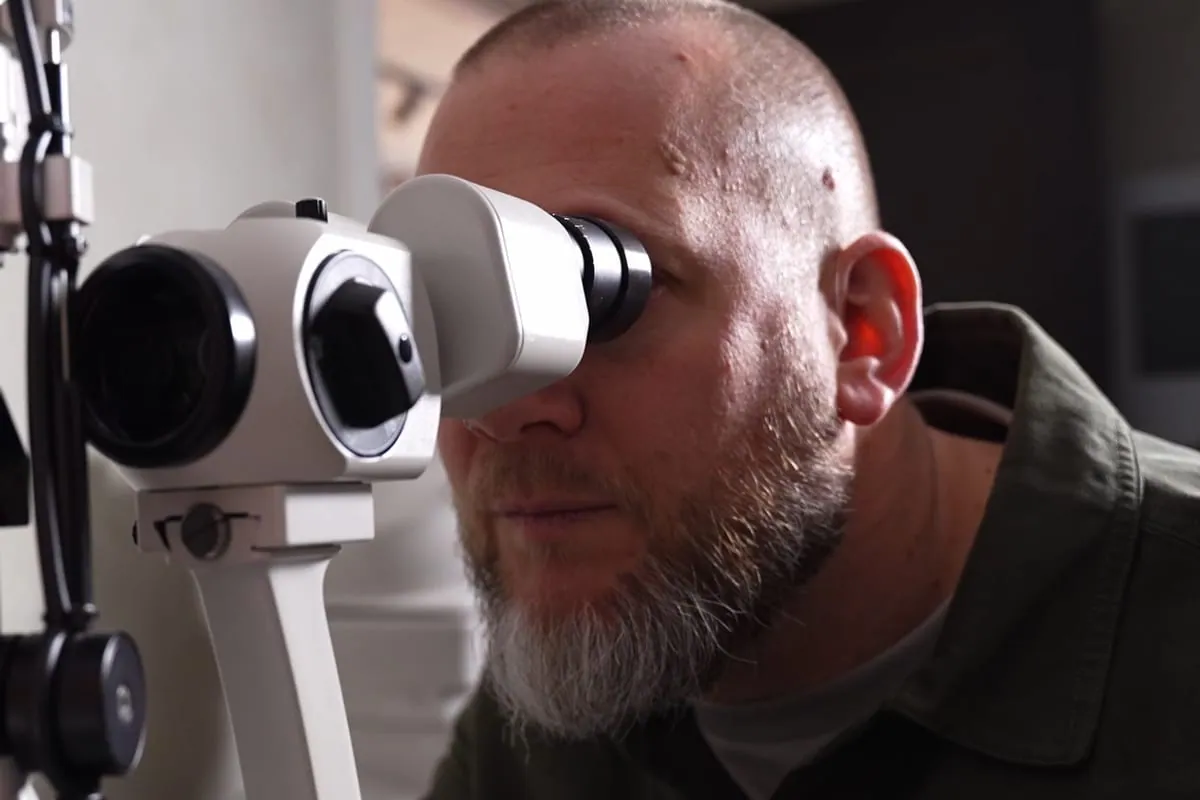
Specialist
Cataract Referral
Assessment and onward referral for cataract care, guiding you smoothly through every step.
Enquire →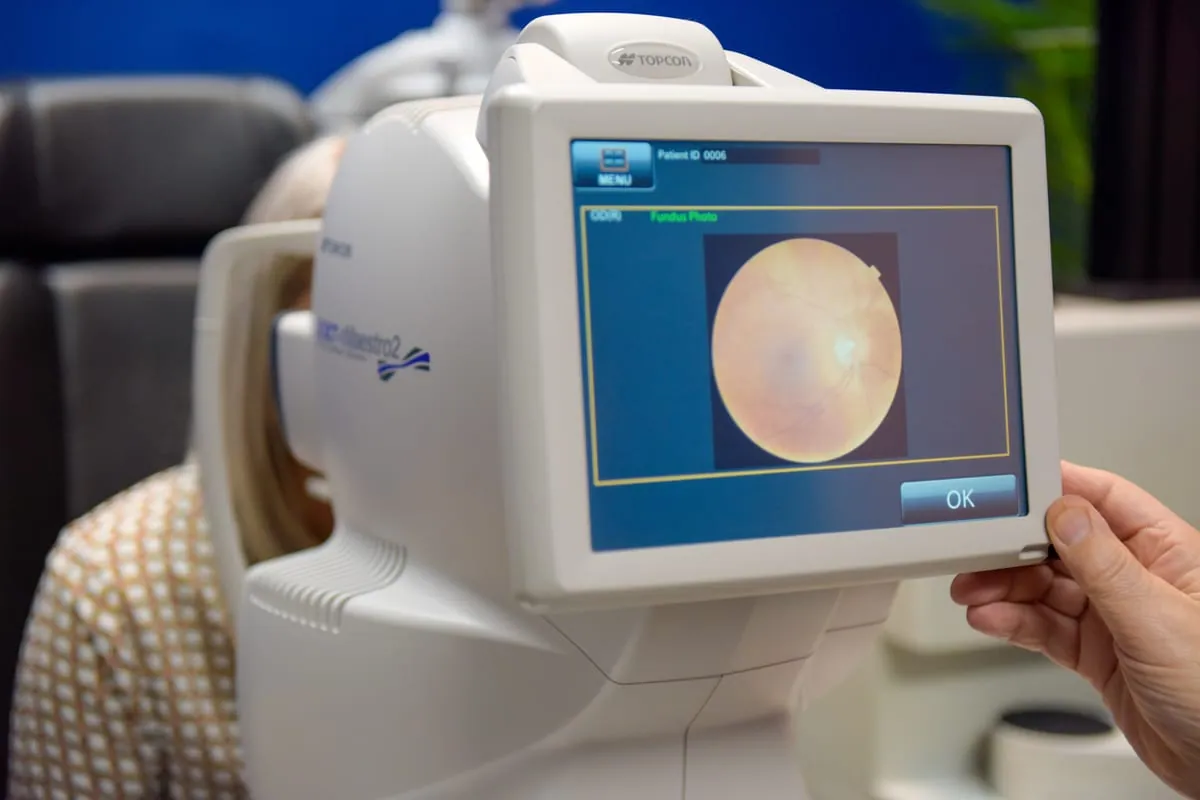
Specialist
Macular Screening
Advanced retinal imaging with OCT — and Optomap at our Urmston practice — to monitor and protect your macular health.
Enquire →
Specialist
Myopia Control
Specialist management to slow the progression of short-sightedness in children.
Enquire →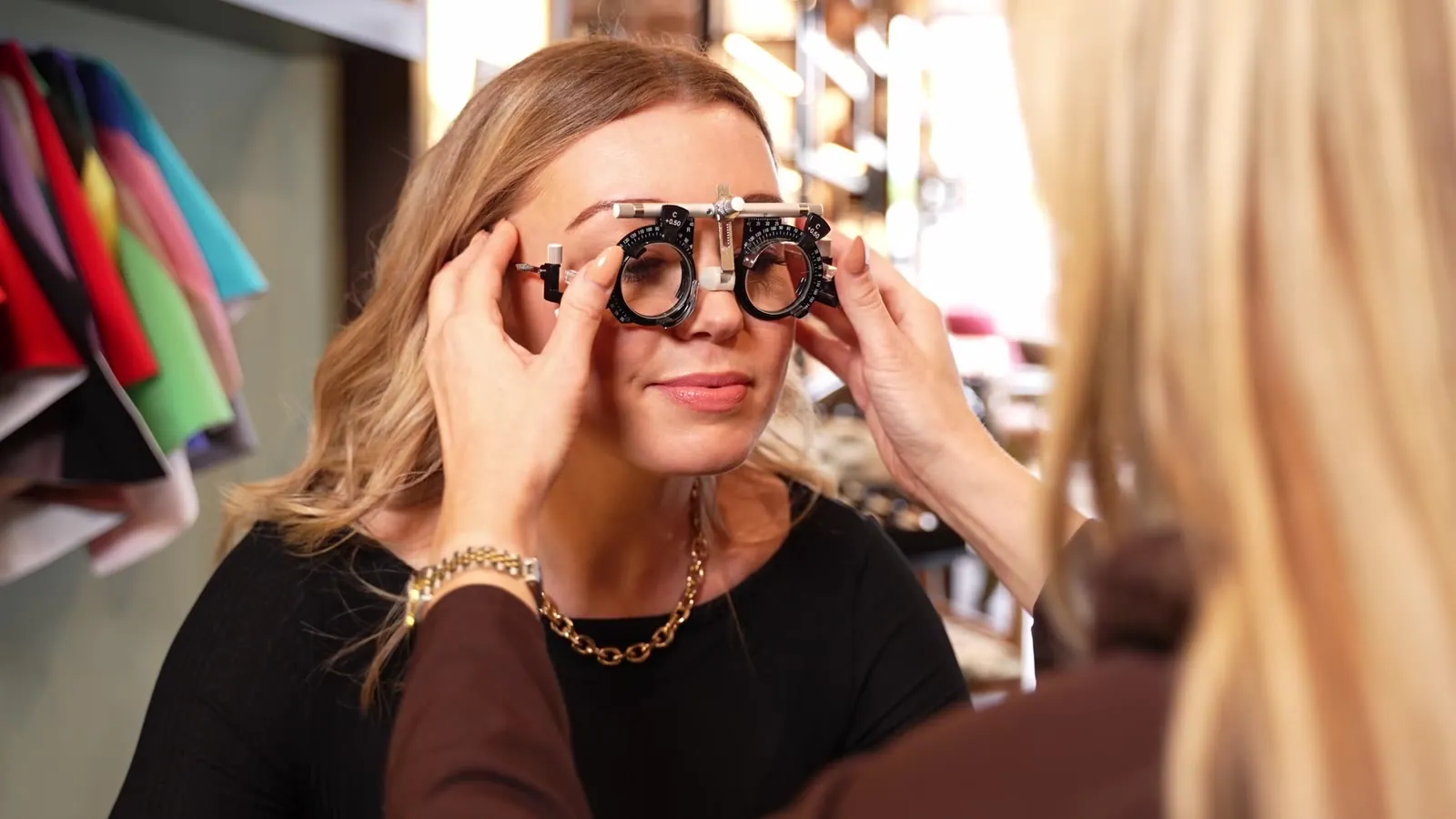
Specialist
Ortho-K
Overnight lenses that gently reshape your vision, so you can see clearly without daytime lenses.
Enquire →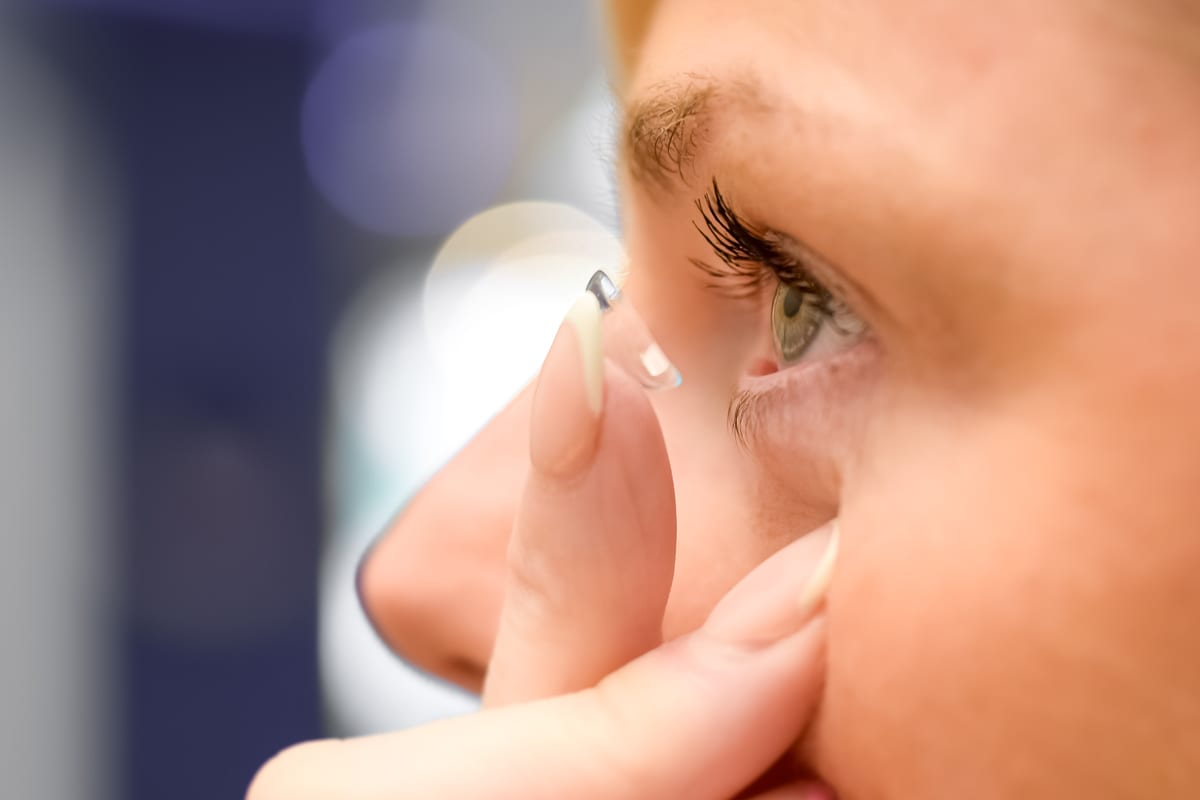
Specialist
Specialist Contact Lenses
Custom-fitted lenses for complex prescriptions, irregular corneas and harder-to-fit eyes.
Enquire →
Early insight can make all the difference.
If you are concerned about glaucoma, have a family history, or want a more detailed assessment of your eye health, book a glaucoma screening at STOTTS.