
Dry Eye Clinic
Relief starts with understanding the cause.
Dry, gritty, sore or watery eyes are easy to dismiss — but they can affect how you work, read, drive, wear contact lenses and feel throughout the day.
A more considered approach
Look beyond temporary relief.
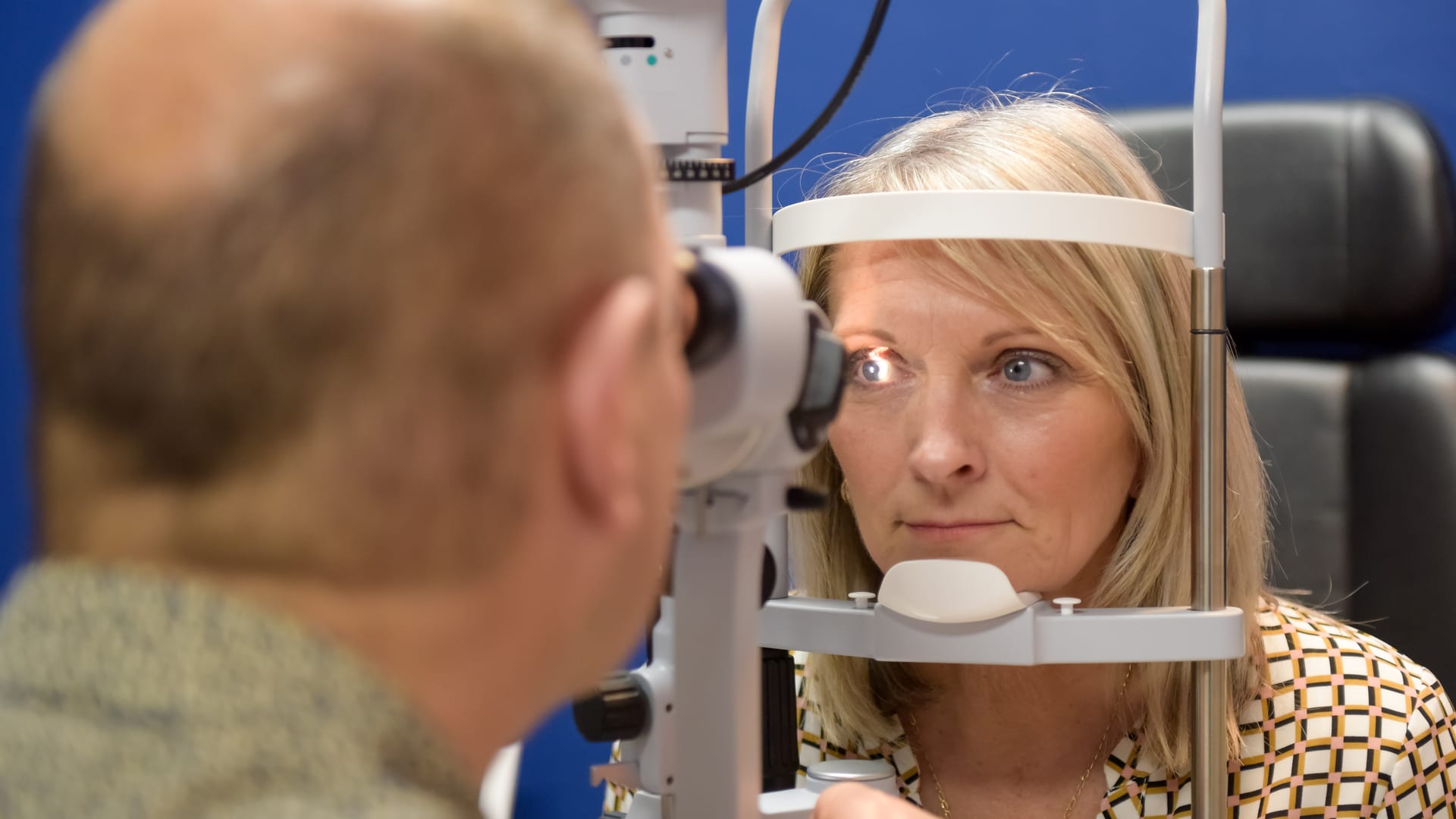
At STOTTS., our Dry Eye Clinic is designed to look beyond temporary relief and understand what is really causing your symptoms.
Because dry eye is not always simply a lack of tears. It can be linked to tear quality, inflammation, eyelid health, screen use, environment, contact lens wear, medication, age, hormones and the way your eyes behave day to day.
Our role is to identify what is happening, explain it clearly, and create a personalised plan to help your eyes feel more comfortable.
Common dry eye symptoms
Does this sound familiar?
You may benefit from a dry eye assessment if your eyes often feel:
Some people are surprised that watery eyes can be a sign of dry eye. This can happen when the eyes become irritated and overproduce lower-quality tears.
Why it needs a considered approach
Not all dry eye is the same.
Many people try eye drops for months without really knowing what they are treating. But not all dry eye is the same.
For some people, the issue is tear production. For others, the tears evaporate too quickly. Some have inflamed eyelids, blocked oil glands, contact lens-related discomfort, screen-related symptoms, or a combination of factors.
That is why a proper dry eye assessment matters. The better we understand the cause, the better we can recommend the right treatment, routine and ongoing care.
From understanding to treatment
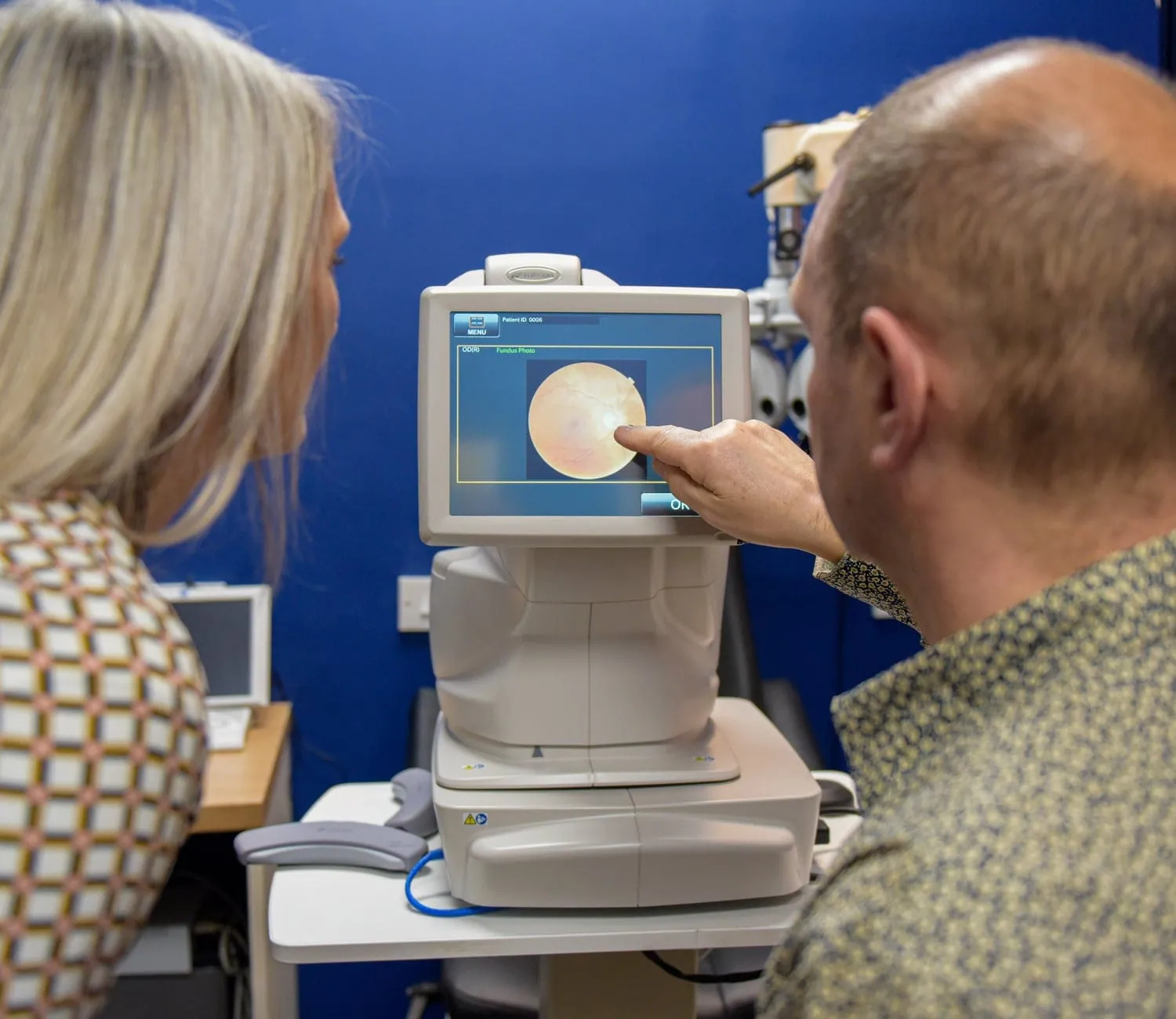
The clearer the picture, the better the plan — everything we recommend is shaped by what your assessment reveals.
Personalised treatment advice
Treatment built around your eyes — not another bottle of drops.
Dry eye management may combine clinical treatment, at-home care and lifestyle changes. Depending on your assessment, we may recommend:
- Lubricating eye drops or gels
- Eyelid hygiene
- Warm compress routines
- Changes to screen habits
- Contact lens advice
- Environmental adjustments
- More advanced treatment
- Ongoing review & monitoring
When should you book?
If it keeps coming back, it's worth understanding why.
Consider a dry eye assessment if your symptoms are:
Dry eye is often manageable — and far easier to treat well once we understand the underlying cause.