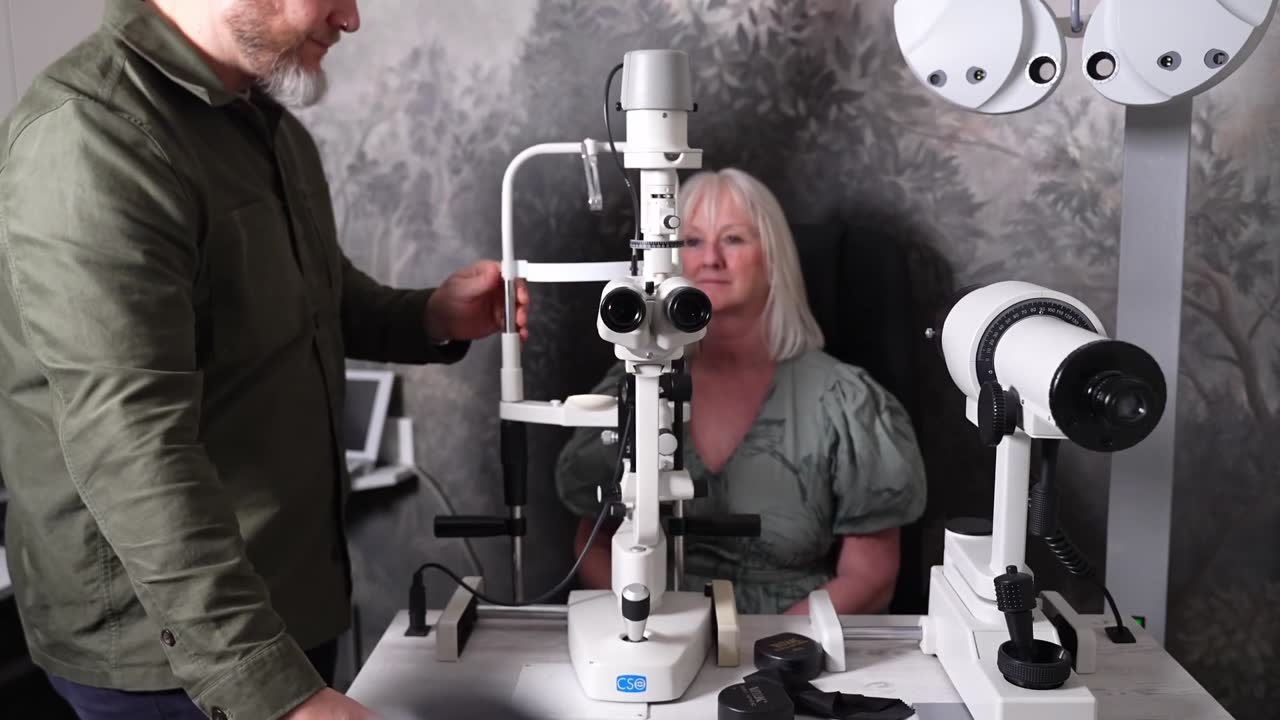
It is entirely possible to establish a spectacle prescription in ten minutes. The refraction itself is not a long procedure. The question is what else an eye examination is for — because the prescription is the part you notice, and it is not the part most likely to matter to you in ten years.
The prescription is the quick bit
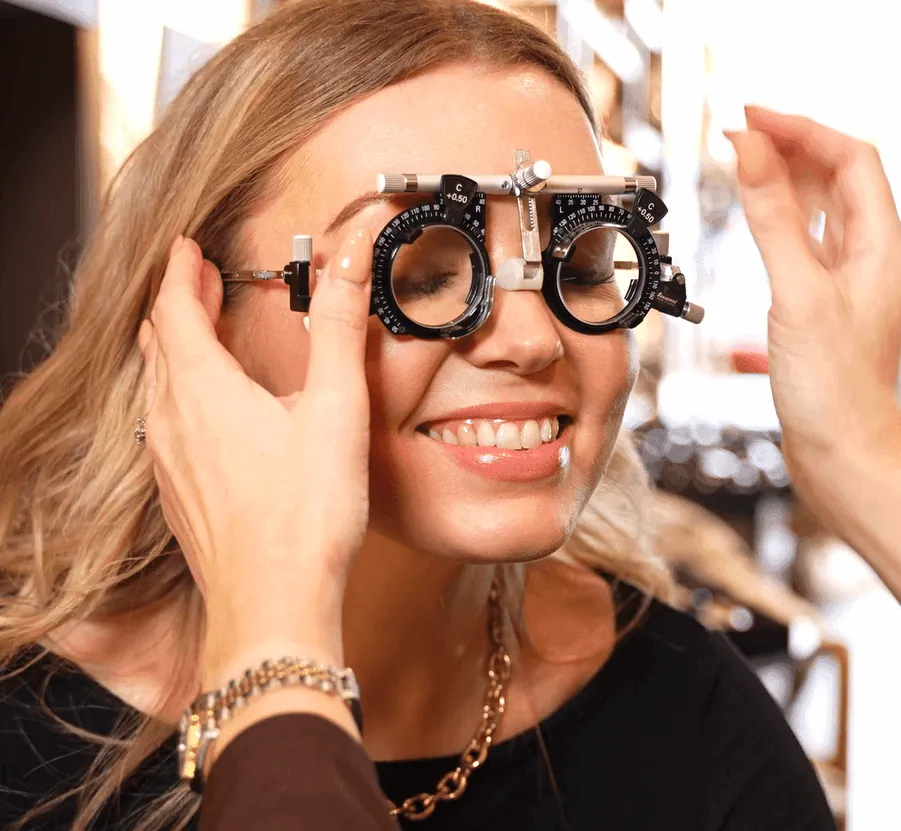
Working out which lenses give you the clearest vision is a well-defined task, and an experienced optometrist can do it briskly. If that were the whole job, a short appointment would be entirely adequate and we would not be writing this.
What the rest of the time is for
- History and symptoms — what has changed, what you do all day, what your family history is. This decides what we look for
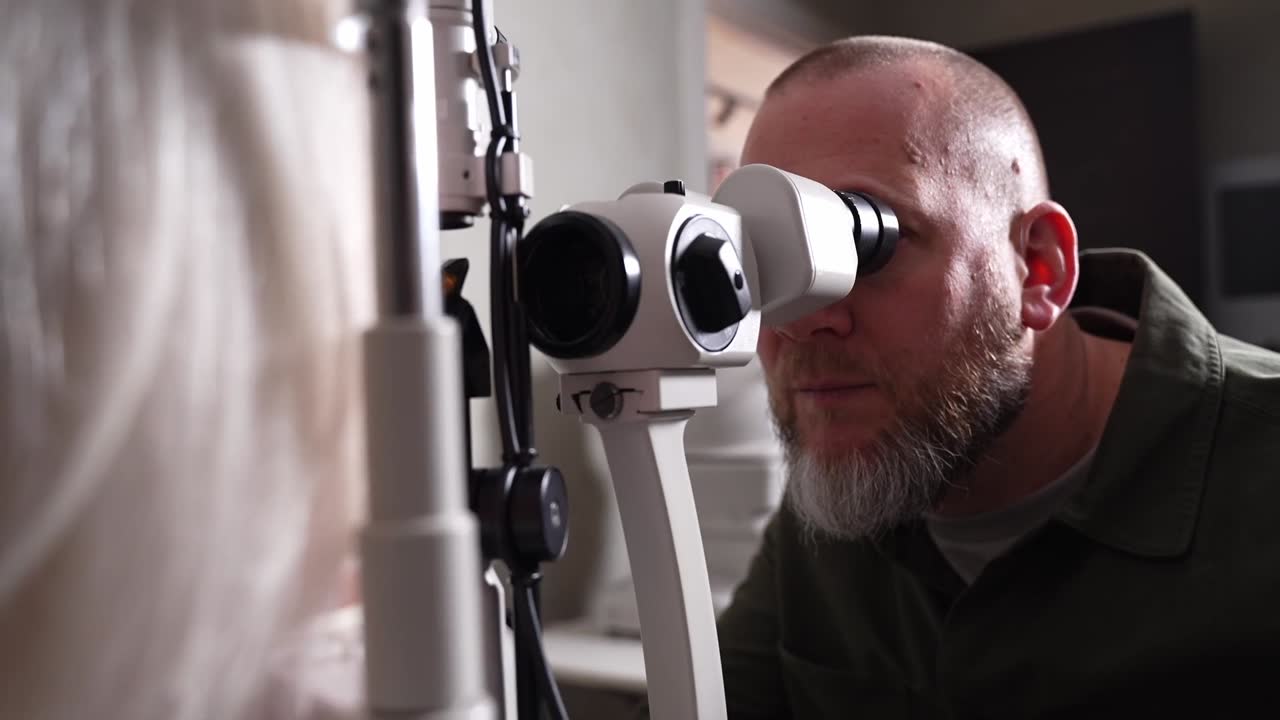
- Eye health examination — the front of the eye, the lens, and the retina and optic nerve at the back
- Eye pressures and visual fields, where indicated — the two tests that catch glaucoma before you would notice anything
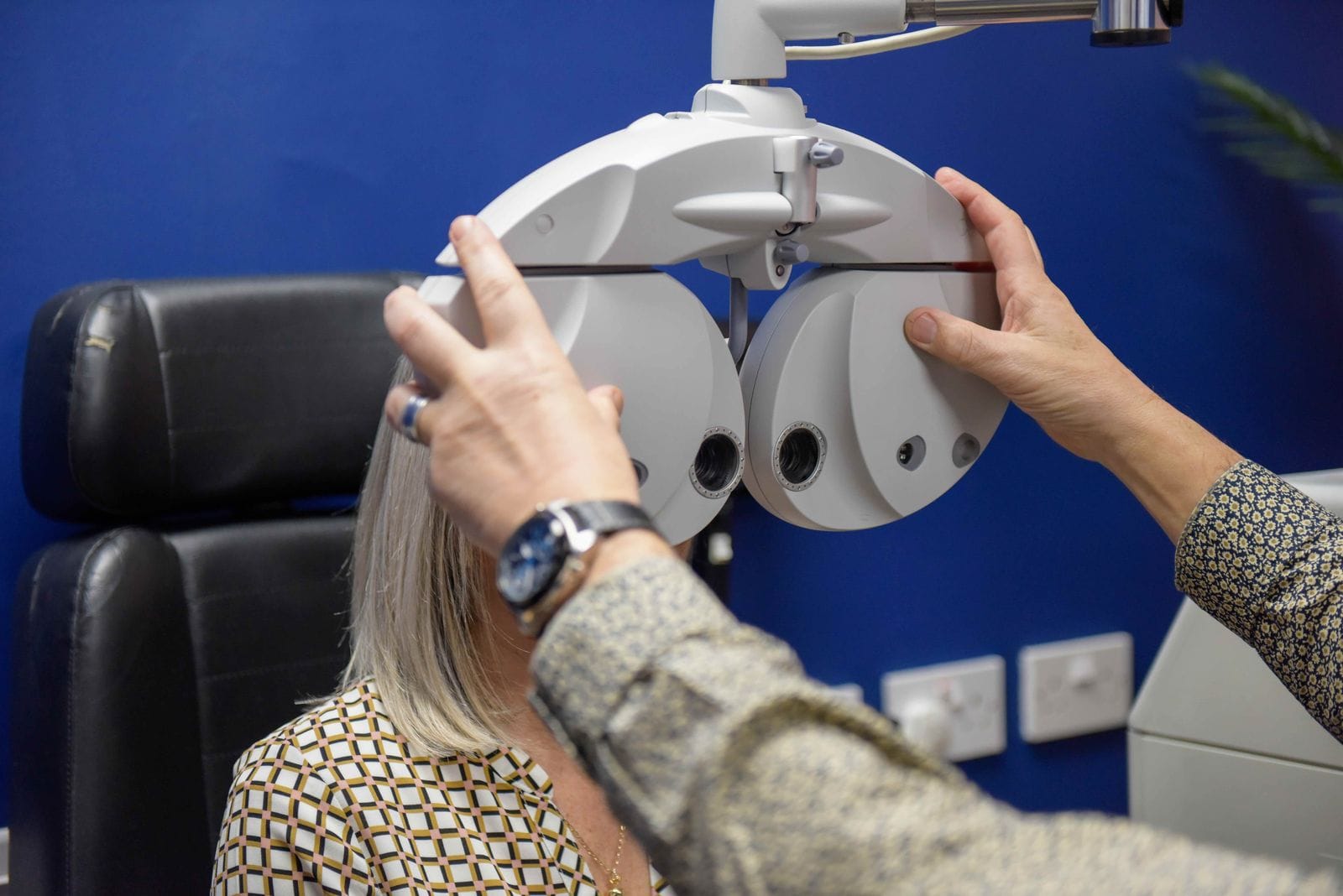
- How your eyes work together — muscle balance and focusing, which is often where headaches and tired eyes come from
- Retinal imaging or an OCT scan where it is useful, which gives a record to compare against next time
- The conversation afterwards — what we found, what it means, and what to do about it
The thing about a baseline
Most of what an eye examination finds is found by comparison. A single image of your optic nerve tells us relatively little; the same image alongside one from three years ago tells us whether anything is changing. This is why continuity matters, and why we keep images rather than just numbers. It is also the argument for going back to the same practice rather than whoever is cheapest this year.
What a rushed test tends to miss
Not usually a dramatic finding — those tend to announce themselves. What gets missed is the slow thing: the early change at the optic nerve, the gradual drift in the visual field, the macular change that has not yet reached the centre. These are the conditions where early detection genuinely changes the outcome, and they are silent by design. The early signs of glaucoma covers why that particular one is so easy to miss.
And the dispensing half
A prescription handed over at the door is not the same as a pair of glasses that works. The measurements, the frame choice and the fit are a second body of work, and compressing them is how people end up with glasses that are optically correct and practically uncomfortable. We wrote about what a proper fit involves separately, because it deserves its own explanation.
We are not against efficiency
This is not an argument that longer is automatically better, and we do not pad appointments. It is an argument that the appointment should be as long as your eyes and your history require — which for a healthy twenty-five-year-old is genuinely not very long, and for someone with diabetes and a family history of glaucoma is considerably longer. A fixed ten minutes cannot be right for both. More on what an eye test should cover.
You come in to find out whether you need new glasses. The reason we take longer is that the answer to a question you did not ask is occasionally the important one.← Back to the Journal