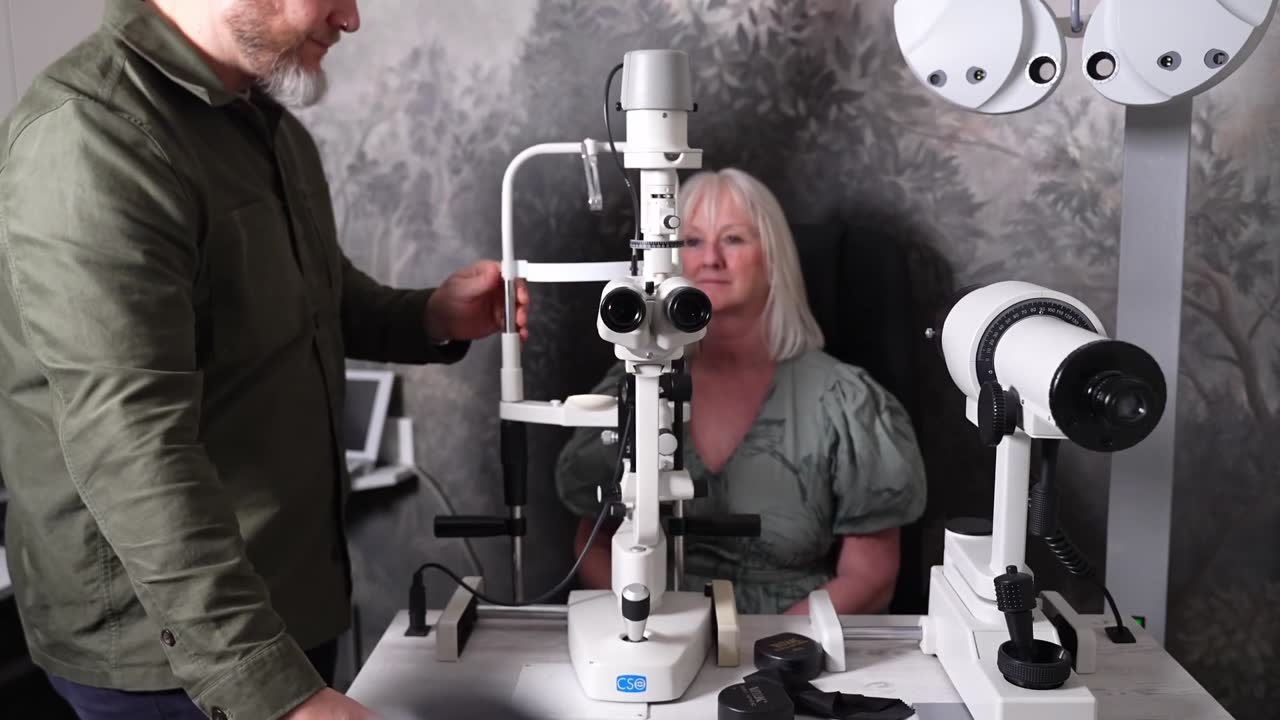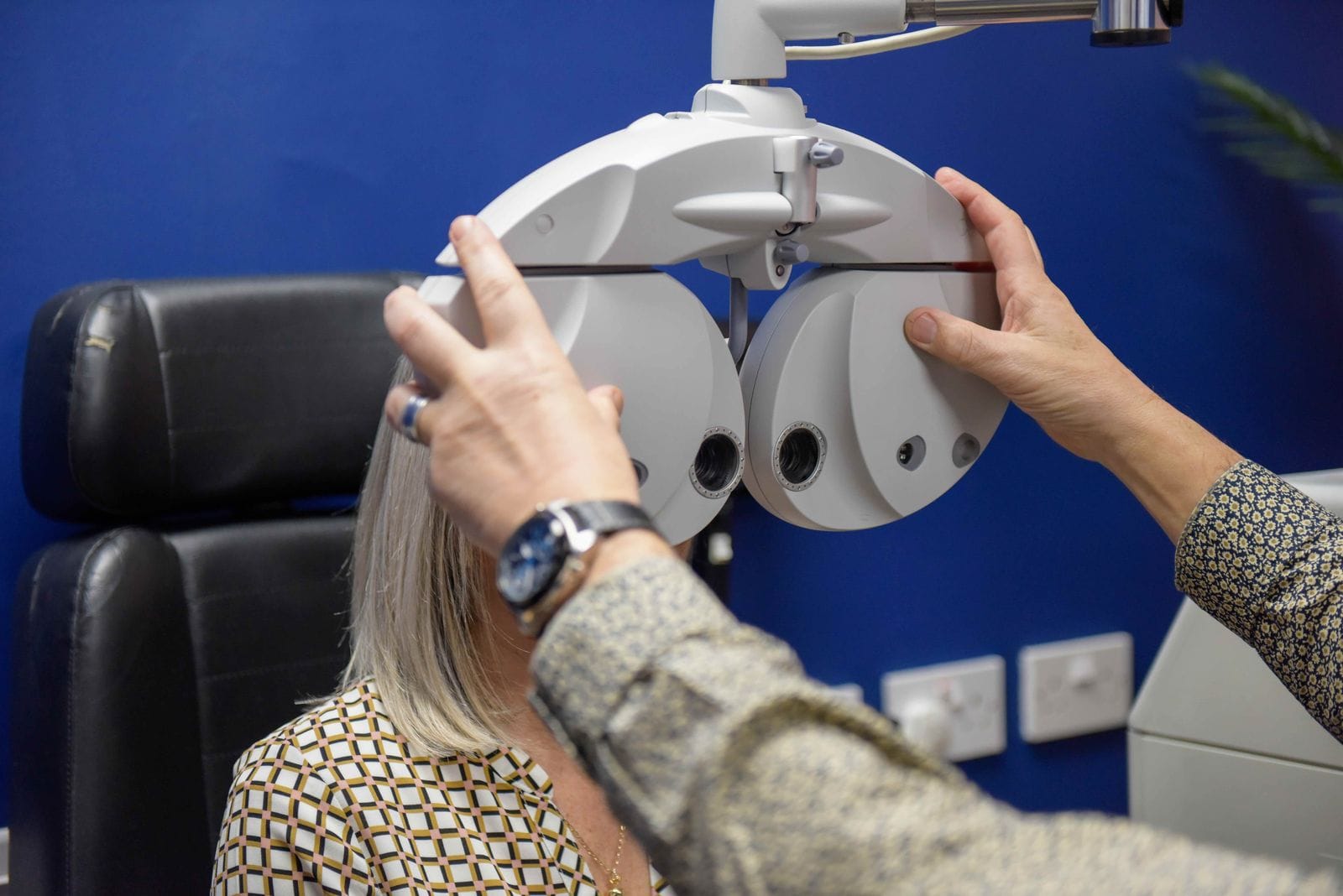
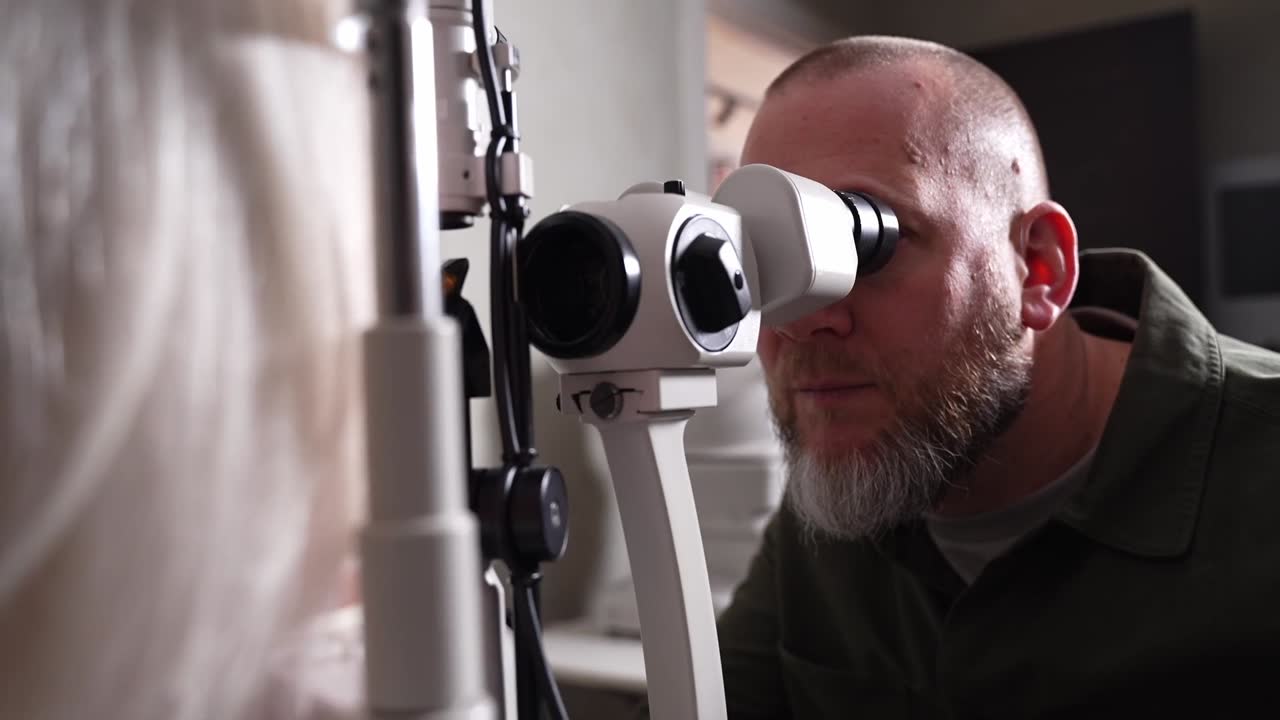
It is one of the most common things we say and one of the most commonly misunderstood: your prescription has not changed. People hear it as “nothing has happened”, and occasionally decide to skip the next appointment on that basis. The prescription is one measurement among many, and it is not the one that changes first.
What a prescription actually measures
It measures how light focuses on your retina, and nothing else. It says nothing about the pressure inside your eye, the health of your optic nerve, the state of your macula, how dry your eye surface is, or how well your two eyes are working together. All of those can change meaningfully while the numbers on the prescription stay identical.
Six things that change without changing your prescription
- Eye pressure can rise gradually, which matters because raised pressure is the main modifiable risk factor in glaucoma
- The optic nerve can change shape slowly, long before you would notice anything in your vision
- The macula can show early changes while central vision still feels normal
- The lens inside your eye can begin to cloud, which shows up first as glare at night rather than as blur
- Your tear film can deteriorate, which makes vision fluctuate through the day while the prescription stays fixed
- Eye muscle balance and focusing can drift, which is a common and often-missed cause of headaches and tired eyes
Why your vision can feel worse anyway
People often arrive convinced their prescription must have changed because their vision is worse, and are surprised when it has not. Fluctuating vision through the day usually points to the tear film rather than the prescription. Worsening glare at night with unchanged acuity often points to early lens changes. Difficulty sustaining reading, with clear vision when you first look, points at the focusing system. None of these show up as a number change, and all of them are addressable.
The value of a stable record
A year where nothing changed is not a wasted appointment — it is a data point. Slow conditions are diagnosed by trend, and a trend needs more than one measurement. The appointment where we find nothing is what makes the appointment where we find something interpretable. An OCT scan is particularly useful for exactly this reason.
When to come sooner than scheduled
Regardless of when your last test was: any sudden change in vision, new flashes or floaters, a curtain or shadow across your vision, sudden eye pain with redness, or double vision. These are not wait-and-see symptoms. Flashes and floaters explains which ones matter.
“No change to your prescription” is good news about one measurement. It is not a report on your eyes.← Back to the Journal