The letter chart is one of the most recognisable images in healthcare — and one of the most misunderstood. It measures a single thing: whether you can make out detail at a distance, in ideal lighting, with nothing else going on. Useful, certainly. But your eyes are asked to do far more than that, every waking hour. A consultation that stops at the chart is only answering part of the question.
What the chart actually measures
Reading the bottom line tells us about your central visual acuity — the sharpness of your sight, straight ahead, under ideal conditions. It is an important baseline. But it says nothing about how your eyes cope with a long day in front of a screen, the glare of oncoming headlights, small print in dim light, or the subtle strain that builds into a headache by mid-afternoon. Two people can read the same line on the chart and have completely different experiences of their own vision.
Your eyes work harder than a chart ever asks
Real vision is not a single moment of clarity — it is everything your eyes do across a day. How they focus and refocus between your phone and the road. How they handle contrast at dusk, glare on a wet motorway, or the flat blue light of a monitor. How they hold up against fatigue, posture and the hours of close work most of us now do without thinking. These are the demands that quietly make life easier or harder, and they rarely show up on a chart.
- Screen work — and the eye strain, dryness and headaches that come with it
- Driving, especially at night, with glare and rapidly changing focus
- Reading and close work in poor light
- Hobbies and sport, each with their own visual demands
- Fatigue, posture and the way you actually hold your devices

The questions a better consultation asks
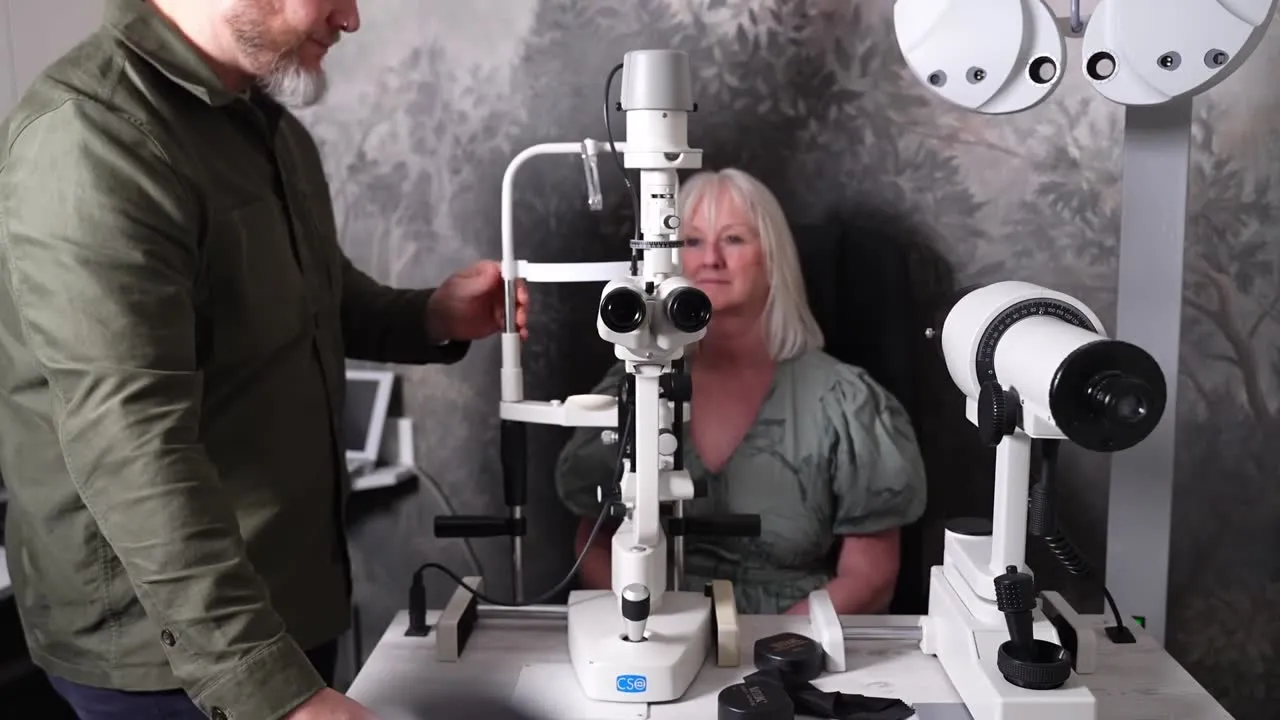
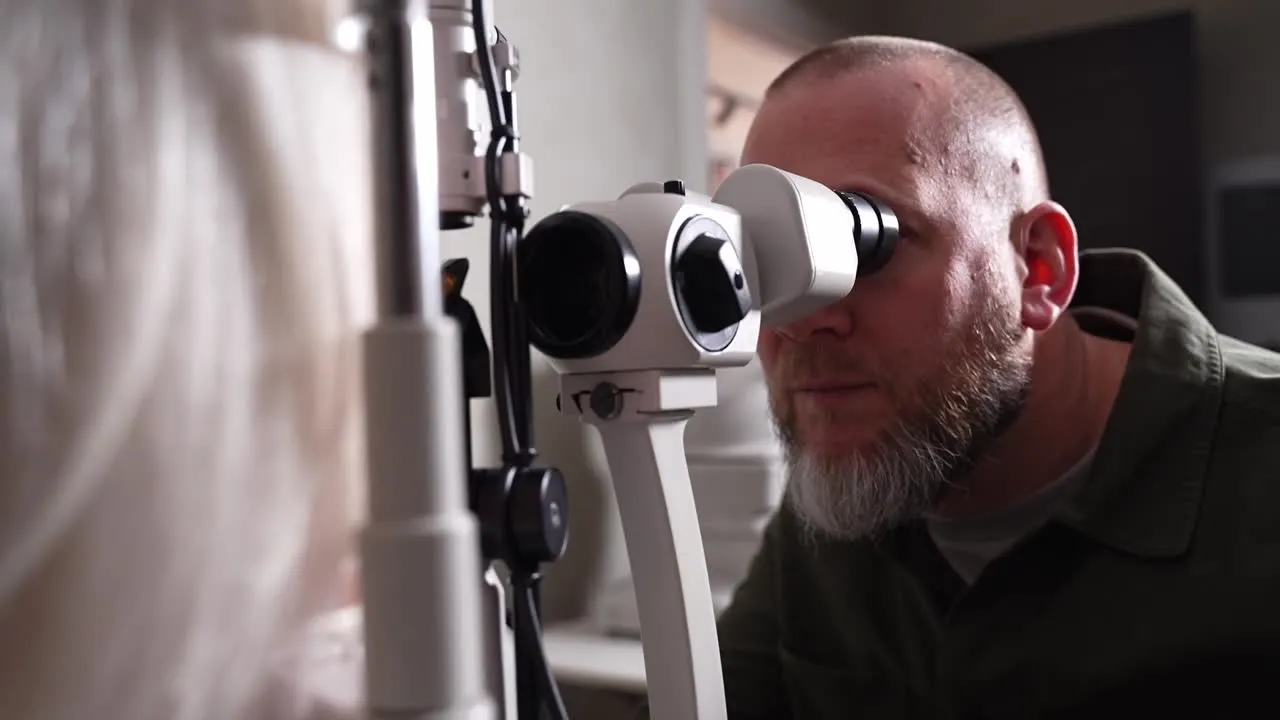
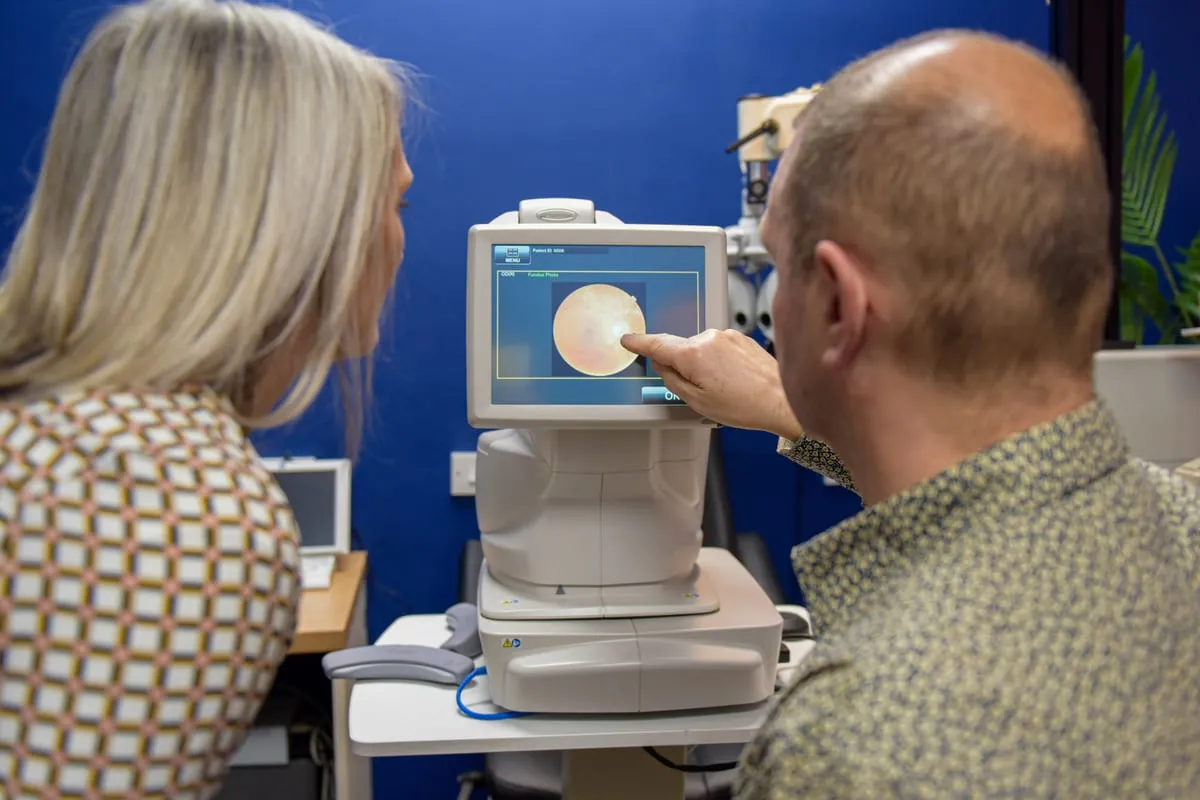
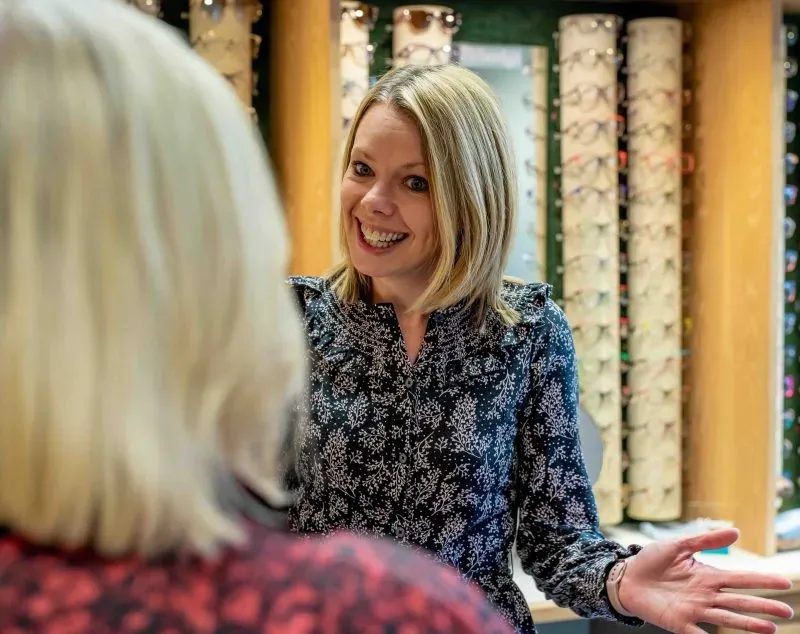
This is the thinking behind our Signature Vision Consultation. Rather than working only from numbers, we take the time to understand how you actually use your eyes: your work, your screens, your driving, your hobbies, what has worked for you before and what has quietly frustrated you. We pair that conversation with advanced testing and imaging, so we are looking after both how you see and how healthy your eyes are beneath the surface.
Why it changes what you wear
When we understand how you live, we can tailor everything that follows — the lenses we recommend, the coatings that will genuinely help, whether a second pair for screens or driving would make your day easier. It is the difference between glasses that pass a test and glasses that feel effortless in the moments that matter. That is the point of a consultation: not to grade your sight, but to improve your days.
Most eye tests tell you whether you can see. A better consultation works out how you live — and what your eyes actually need.← Back to the Journal