A cataract is simply a clouding of the eye’s natural lens. It is one of the most common parts of ageing eyes, it usually develops slowly over years, and — importantly — it is very treatable. The question most people really want answered is not what a cataract is, but when something needs to be done about it. The honest answer: when it starts getting in the way of your life, not simply because it exists.
What is a cataract?
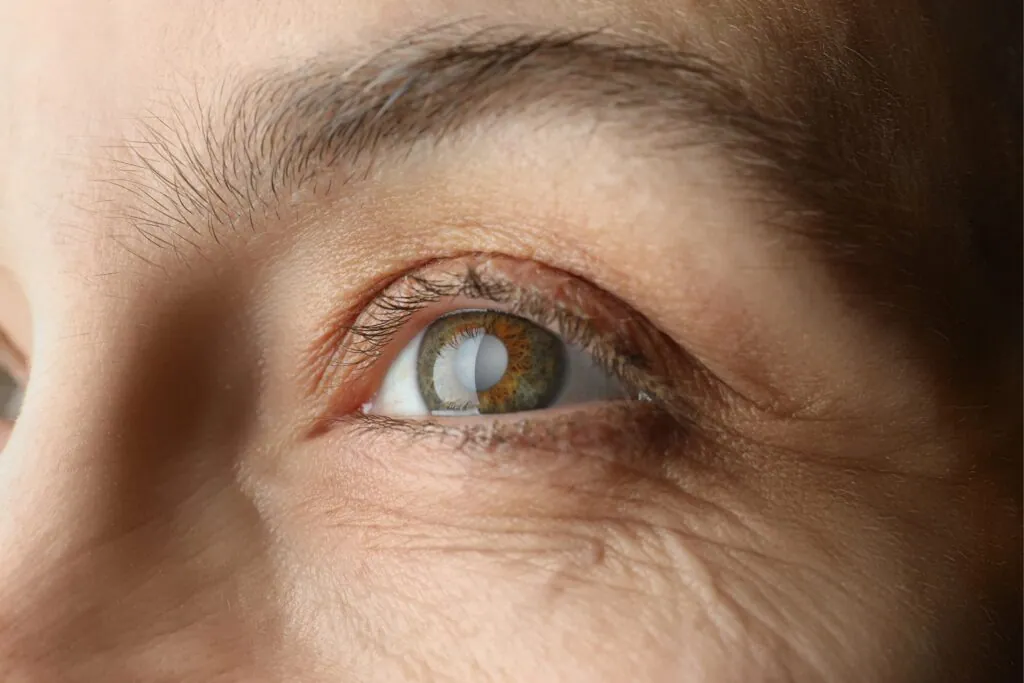
Inside your eye sits a clear natural lens that helps focus light. Over time, that lens can gradually become cloudy, scattering light instead of letting it through cleanly — and that is a cataract. It usually comes with age, develops slowly, and can affect one or both eyes. It is not a growth or a film over the eye; it is the lens itself clouding.
The signs to look for
Cataracts tend to announce themselves gradually. You might notice:
- Cloudy, misty or blurred vision that glasses no longer quite fix
- Colours looking faded, dull or slightly yellowed
- Glare and halos around lights, especially driving at night
- Difficulty in bright sunshine or under harsh lighting
- Needing more light to read comfortably
- Your glasses prescription changing more often than usual
What causes them?
Most cataracts are simply age-related — nothing you did wrong. Some things can bring them on earlier, including diabetes, long-term steroid medication, an eye injury, a lot of ultraviolet exposure over the years, and smoking. Occasionally people are born with them. For the great majority, though, a cataract is just a normal part of the eye getting older.
Can they be treated without surgery?
No drops or glasses can clear a cataract away. In the early stages, an updated prescription, good lighting and anti-glare lenses can keep you comfortable and seeing well. When those are no longer enough, surgery is the only way to remove a cataract — but that does not mean it needs doing the moment one appears.
So when should a cataract be treated?
When it starts interfering with the things you want to do — driving, reading, work, hobbies, or simply feeling confident — not just because it is there. There is an old idea that you must "wait until it is ripe"; that is no longer the case. The decision is about your vision and your life, and it is one we will talk through with you as we monitor how the cataract is developing.
What cataract surgery involves
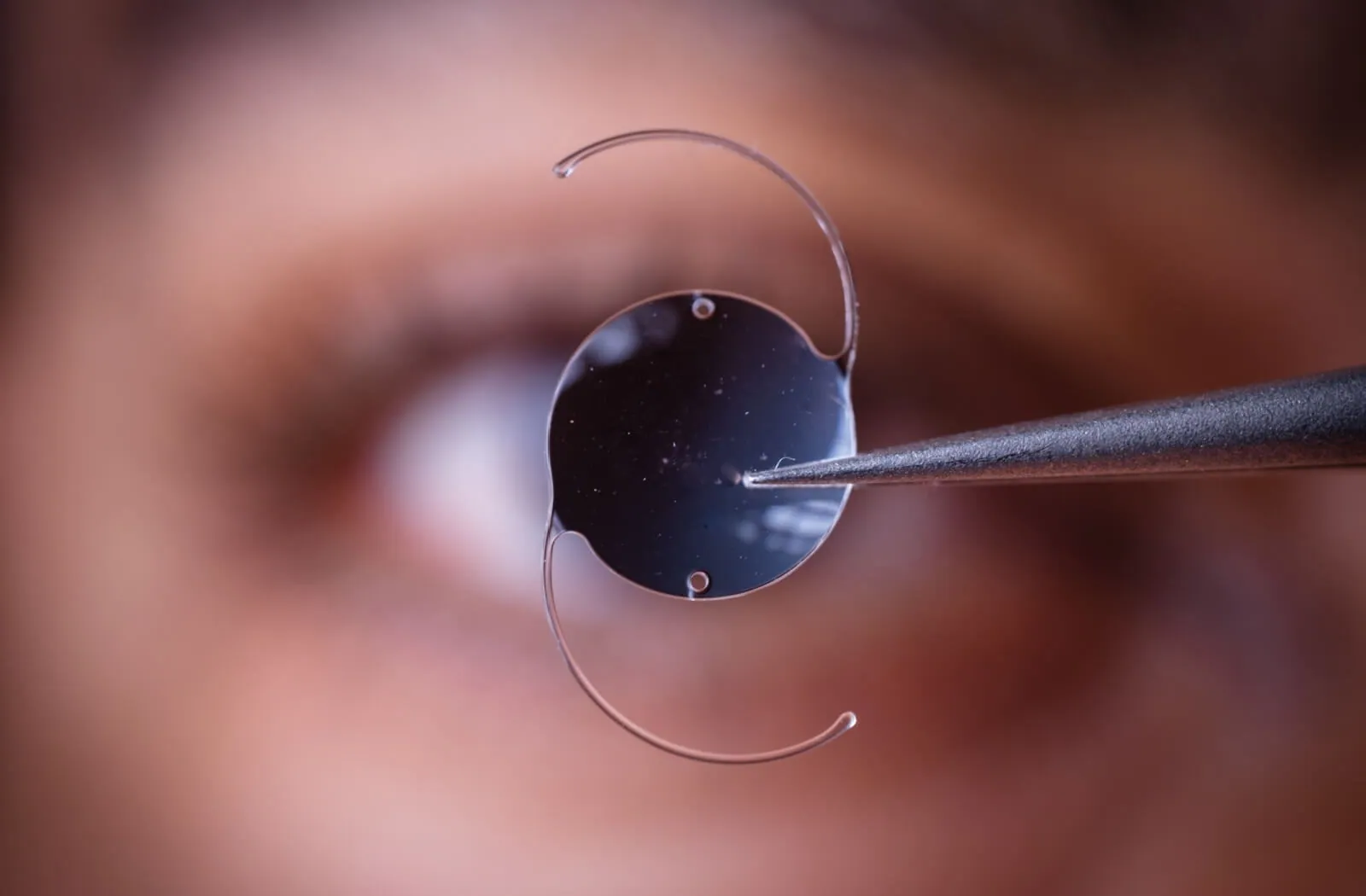
Cataract surgery is one of the most common and successful operations performed. It is usually a day-case procedure under local anaesthetic: the cloudy lens is gently removed and replaced with a clear artificial lens implant. Most people notice brighter, clearer vision within days. We can explain what to expect and arrange referral when the time is right.
How we help
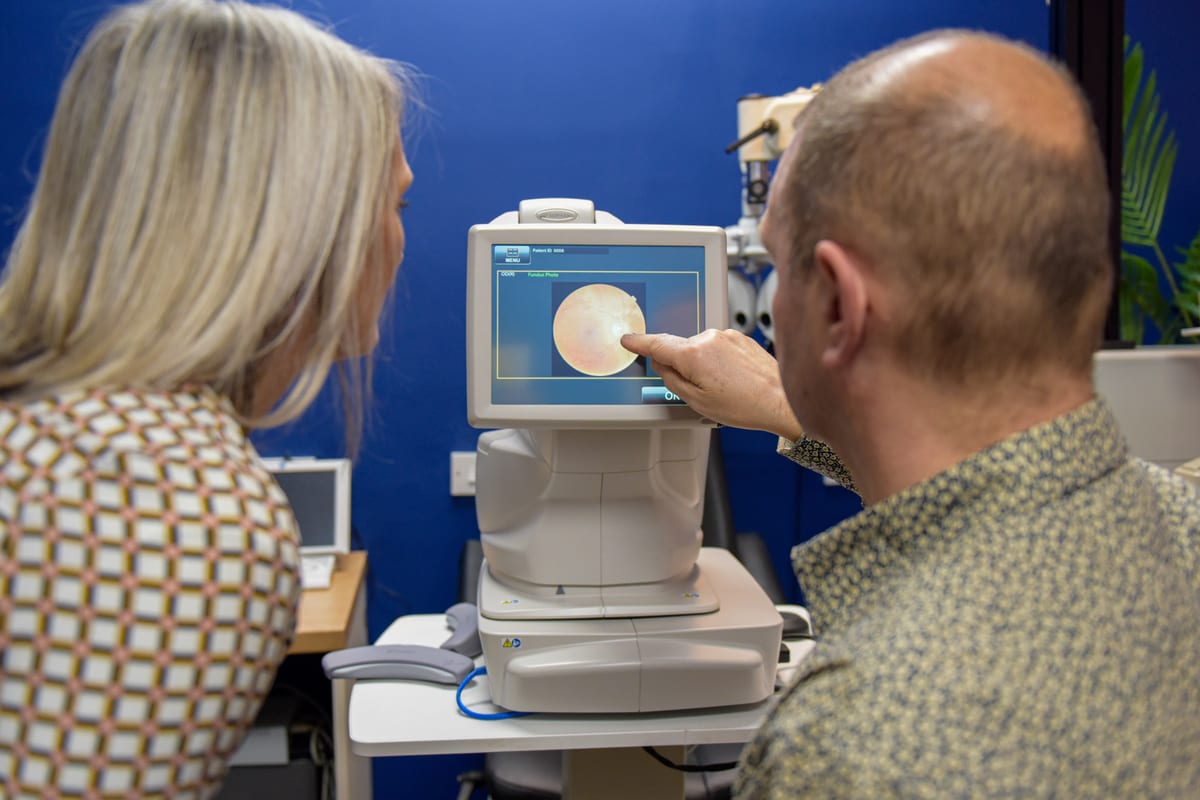
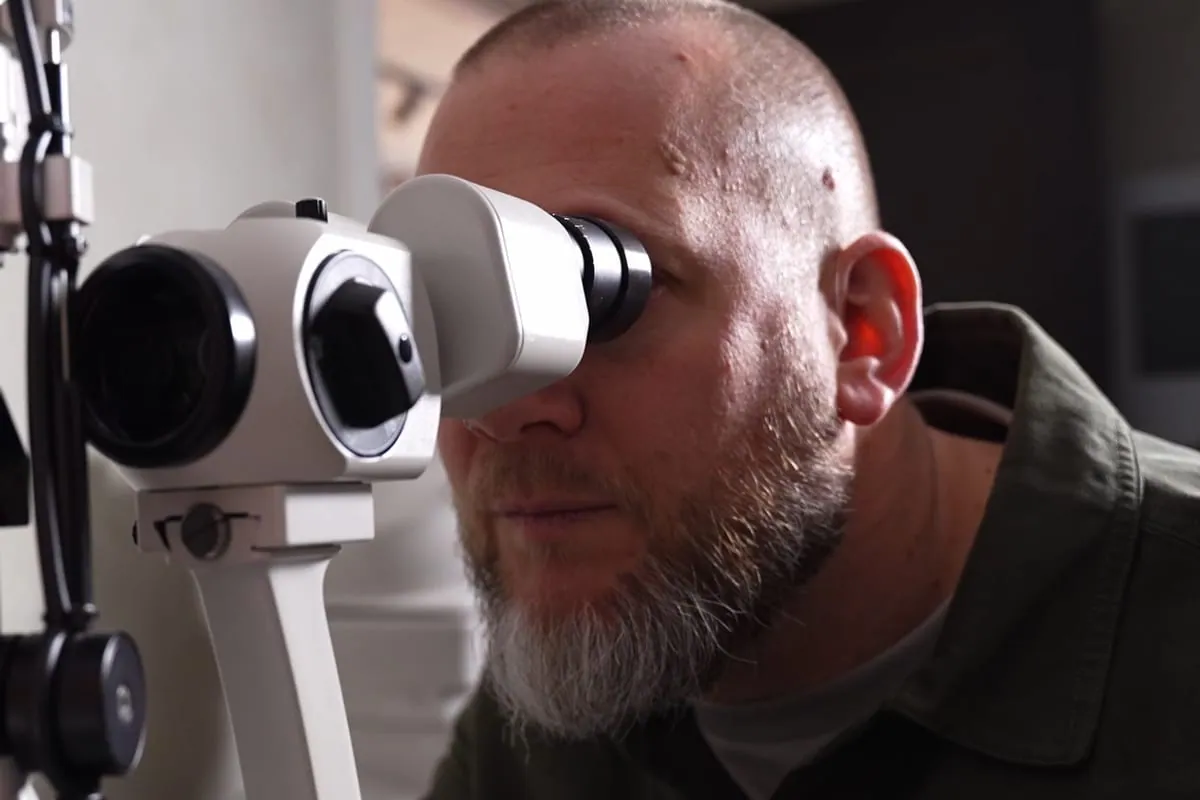
We detect and monitor cataracts at your eye examination — the same thorough check that also looks for glaucoma and other health conditions — explain your options in plain English, and arrange referral at the point it will genuinely help you. You are never rushed into a decision.
A cataract is common, treatable, and rarely urgent. The right time to treat it is when it starts holding you back — not simply because it is there.← Back to the Journal