
Cataract Assessment & Referral
Clear advice when cataracts start affecting your vision.
If your vision has become cloudy, misty or affected by glare, we can assess your eyes, explain what is happening, and guide you on whether referral is appropriate.
What is a cataract?
A gradual clouding of the eye's natural lens.
A cataract is a common age-related change where the natural lens inside the eye becomes cloudy. It can make vision seem misty, dull or glare-prone, and often develops slowly over time — so changes can be easy to dismiss at first.
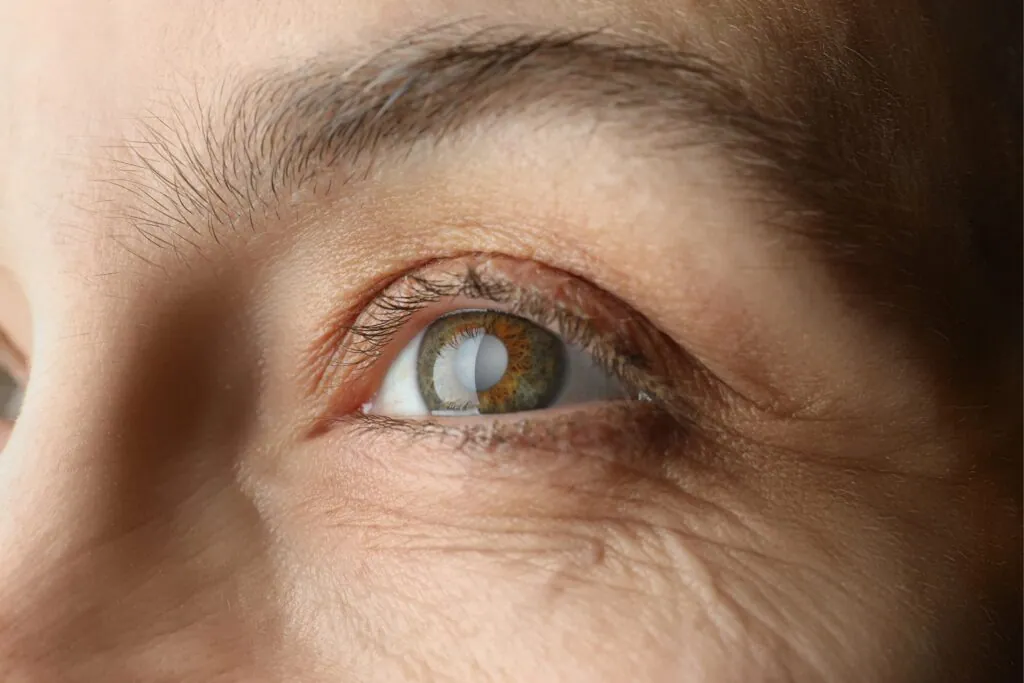
What a cataract looks like
A clouded lens scatters the light entering your eye — making vision misty, dull and prone to glare.
What to look for
Signs cataracts may be affecting your vision.
Cataracts often develop gradually. These are the changes people most commonly notice:
Cloudy or misty vision
Glare from headlights or sunlight
Difficulty driving at night
Colours appearing duller
Frequent prescription changes
Reading becoming more difficult
Clear advice, not confusion
People often don't know whether they need glasses, monitoring or referral.
That's our job. We assess properly, explain clearly, advise honestly, and guide you to the right next step.
Assess
We examine your vision and eye health carefully.
Explain
We help you understand what is happening and how it is affecting you.
Guide
We advise whether monitoring, updated glasses or referral is the right next step.
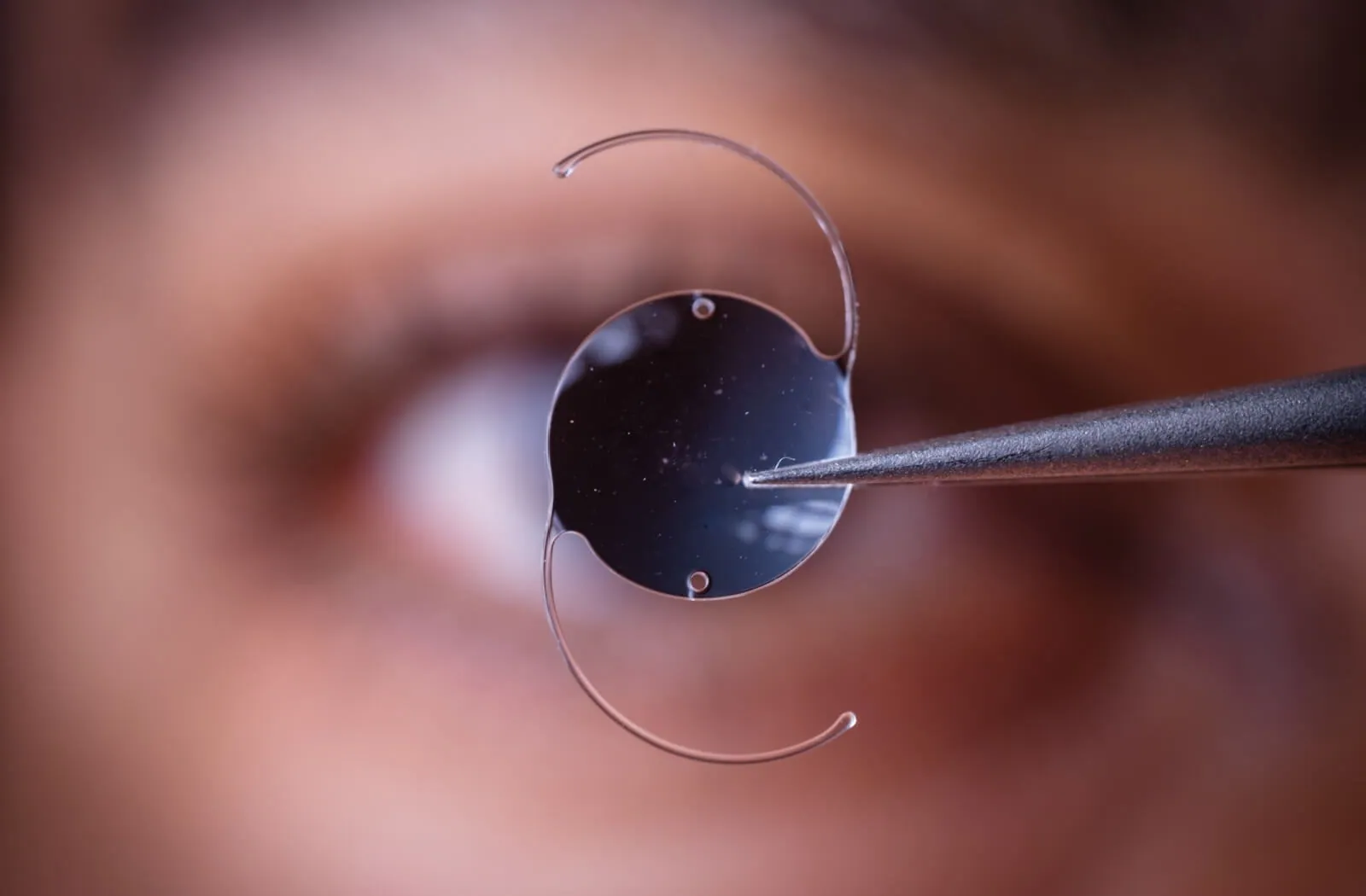
Your appointment
What happens at your cataract assessment.
- 1
Discuss your symptoms and visual difficulties
- 2
Assess your vision and prescription
- 3
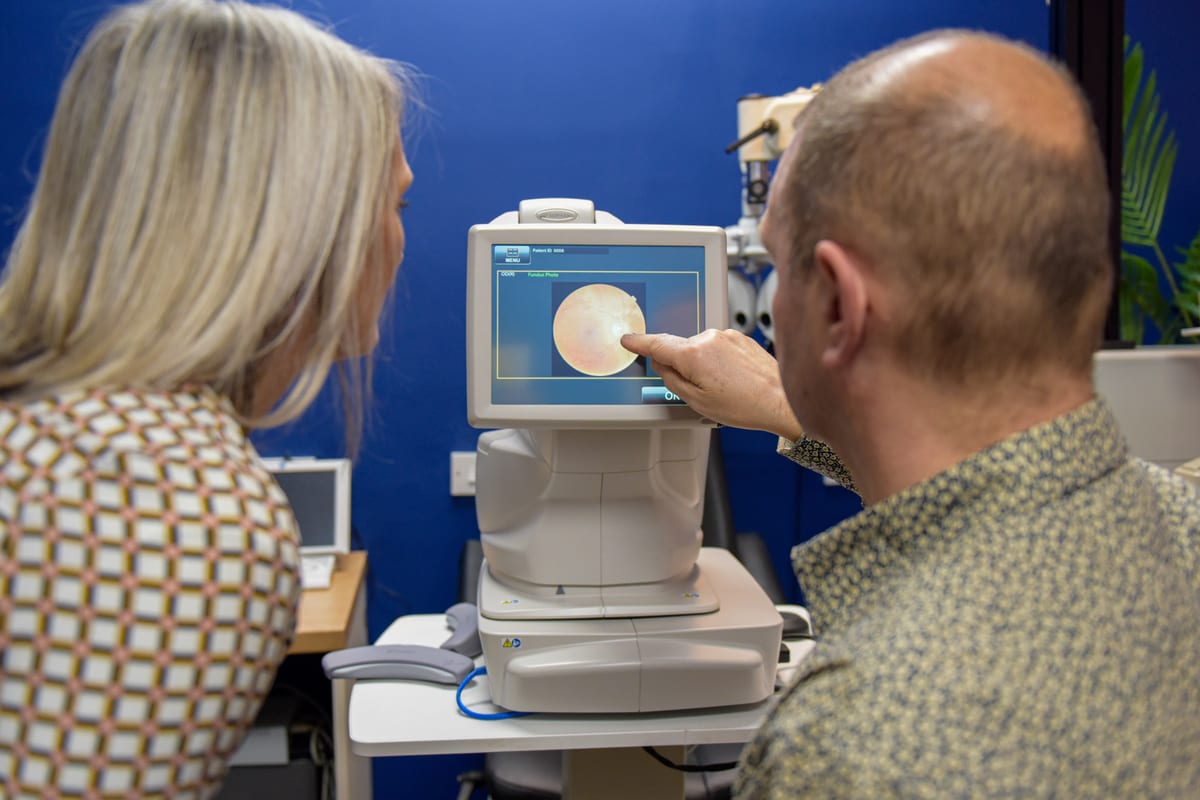
Examine your eye health and the level of cataract
- 4
Explain the findings clearly
- 5
Advise on monitoring, updated glasses or referral
We explain our findings clearly, so you understand whether your cataracts need monitoring or whether it may be time to consider referral.
When is cataract referral appropriate?
Not every cataract needs surgery straight away.
In many cases, cataracts can be monitored until they begin to affect everyday life. If referral becomes appropriate, we guide you through the process — and help you understand the difference between NHS and private cataract pathways, so your decision feels properly informed.
Early cataract
Often simply monitored over time, with no immediate action needed.
Affecting daily life
Referral may be considered when it impacts driving, reading or work.
Exploring options
We explain NHS and private cataract pathways so you can decide.
Across Greater Manchester & Lancashire
Cataract assessment at a practice near you.
We offer cataract assessment and referral advice from all six STOTTS. practices.
Why choose STOTTS.
More than 'you have one, so you need surgery.'
Careful assessment
We take time to understand how your vision is changing.
Clear explanation
We help you understand what is happening and why.
Thoughtful guidance
We recommend the right next step, not the easiest one.
Local expertise
Support across Greater Manchester and Lancashire.
Cataract FAQs
Good to know.
What are the symptoms of cataracts?
Common cataract symptoms include cloudy or misty vision, glare from lights, difficulty driving at night, faded colours, halos around lights and needing frequent changes to your glasses prescription.
Do cataracts always need surgery?
No. Cataracts do not always need surgery straight away. They may simply be monitored until they begin to affect your everyday life.
Can glasses help cataracts?
Sometimes updated glasses can improve your vision in the early stages. If the cataract becomes more advanced, glasses may no longer provide enough improvement.
How do I get referred for cataract surgery?
An optometrist can assess your vision and eye health, confirm whether cataracts are affecting your sight, and advise whether referral for cataract surgery may be appropriate.
Can STOTTS. refer me for cataract surgery?
Yes. If your cataracts are affecting your vision and referral is appropriate, we can guide you through the next steps.
Where does STOTTS. offer cataract assessments?
We offer cataract assessments through our practices in Swinton, Urmston, Unsworth, Chorley, Burnley and Padiham, serving Greater Manchester and Lancashire.
More specialist care
Explore our other specialist services.
Specialist
Glaucoma Screening
Detailed screening to detect and monitor glaucoma early, helping protect your long-term sight.
Enquire →
Specialist
Low Vision Centre
Specialist support, aids and advice to help you make the most of your remaining vision.
Enquire →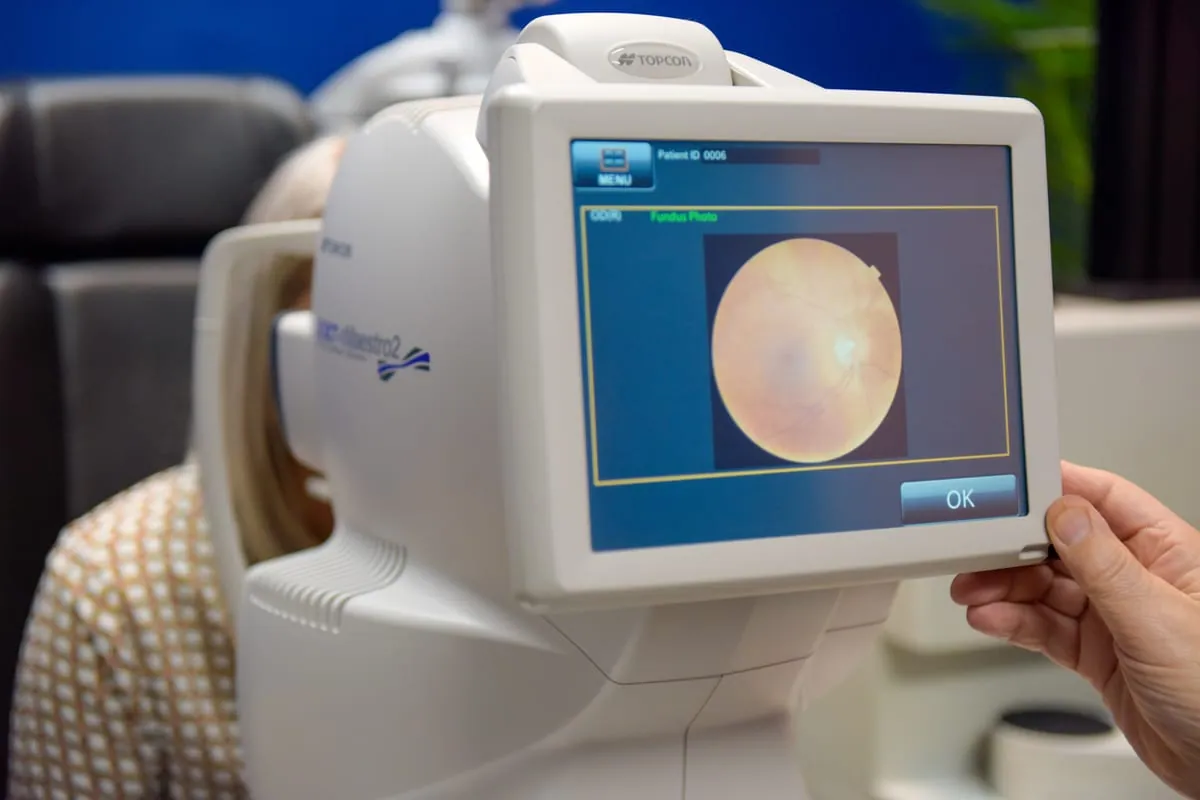
Specialist
Macular Screening
Advanced retinal imaging with OCT — and Optomap at our Urmston practice — to monitor and protect your macular health.
Enquire →
Specialist
Myopia Control
Specialist management to slow the progression of short-sightedness in children.
Enquire →
Specialist
Ortho-K
Overnight lenses that gently reshape your vision, so you can see clearly without daytime lenses.
Enquire →
Specialist
Specialist Contact Lenses
Custom-fitted lenses for complex prescriptions, irregular corneas and harder-to-fit eyes.
Enquire →
Not sure whether it's time to be assessed?
If your vision has become misty, dull or affected by glare, we can help you understand what is happening and whether referral is the right next step.