
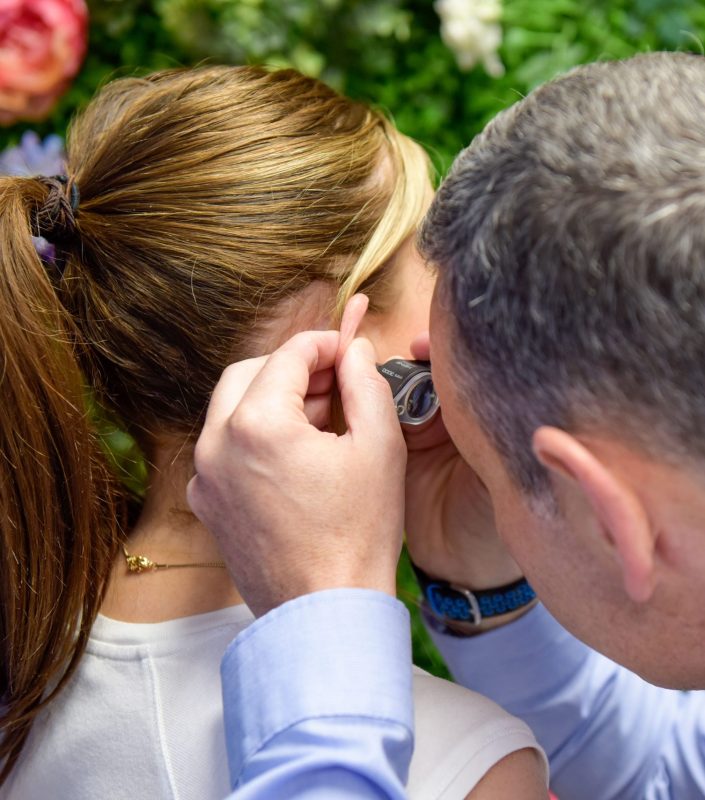
Hearing loss is rarely a sudden thing. It usually comes on so slowly, over years, that your brain quietly adapts and you simply do not notice — which is why it is often a partner or family member who spots it first. Knowing the everyday signs means you can act sooner, when there is most to gain.
Why it is so easy to miss
Because age-related hearing change happens gradually, there is rarely a single moment you can point to. You adjust without realising — turning the television up a little, filling in the gaps in conversation, avoiding the noisy café. That is exactly why the people around you often notice before you do.
The everyday signs to look for
Any of these, especially more than one, is worth paying attention to:
- Turning the television or radio up louder than others need
- Asking people to repeat themselves, or often saying "pardon?"
- Struggling to follow conversation in background noise — restaurants, pubs, family gatherings
- Feeling that people are mumbling rather than speaking clearly
- Finding phone calls harder than face-to-face conversation
- Missing the doorbell, the phone, or the beep of an appliance
- Feeling unusually tired after a day of socialising (the effort of listening is real)
- Ringing or buzzing in the ears — tinnitus often goes hand in hand with hearing change
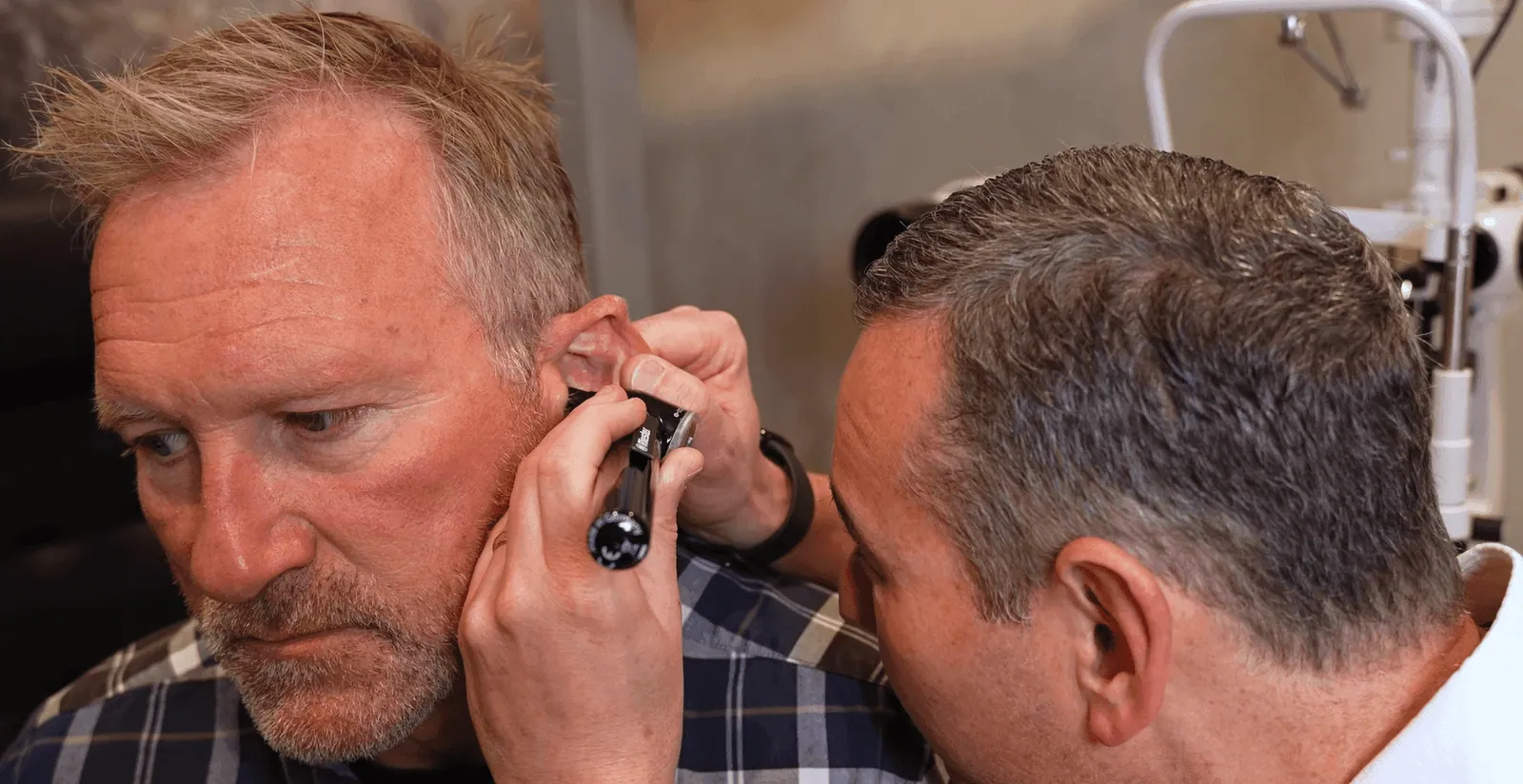
The classic pattern: hearing, but not understanding
One of the most telling signs is being able to hear that someone is talking, but not quite make out the words — especially in noise. This is because age-related hearing loss usually affects the higher pitches first, and those are the quiet consonants that carry meaning. We wrote a whole piece on this: "I can hear people talking, but I cannot understand what they are saying".
Why acting early is worth it
The sooner hearing change is addressed, the easier it is to adapt and the more you protect — your communication, your confidence and your connection to the people around you. Untreated hearing loss is also increasingly recognised as a risk factor for other things, including a higher risk of cognitive decline. None of that is meant to alarm you — just to make the case that a simple check is well worth it.
What to do next
A good first step is our free online hearing test from home, or a full hearing assessment with us — here is exactly what that involves. It is calm, thorough and completely complimentary, and most people leave reassured, informed, or both.
When to seek urgent advice
Gradual change is the norm — but a sudden loss of hearing, particularly in one ear, or hearing that drops noticeably over hours or a few days, should be treated as urgent, especially with dizziness. Some causes are time-sensitive, so please contact your GP or NHS 111 promptly.
Hearing loss is easy to miss because it happens so slowly. If people seem to mumble, the television keeps creeping up, or noisy rooms are a struggle, it is well worth a check.← Back to the Journal