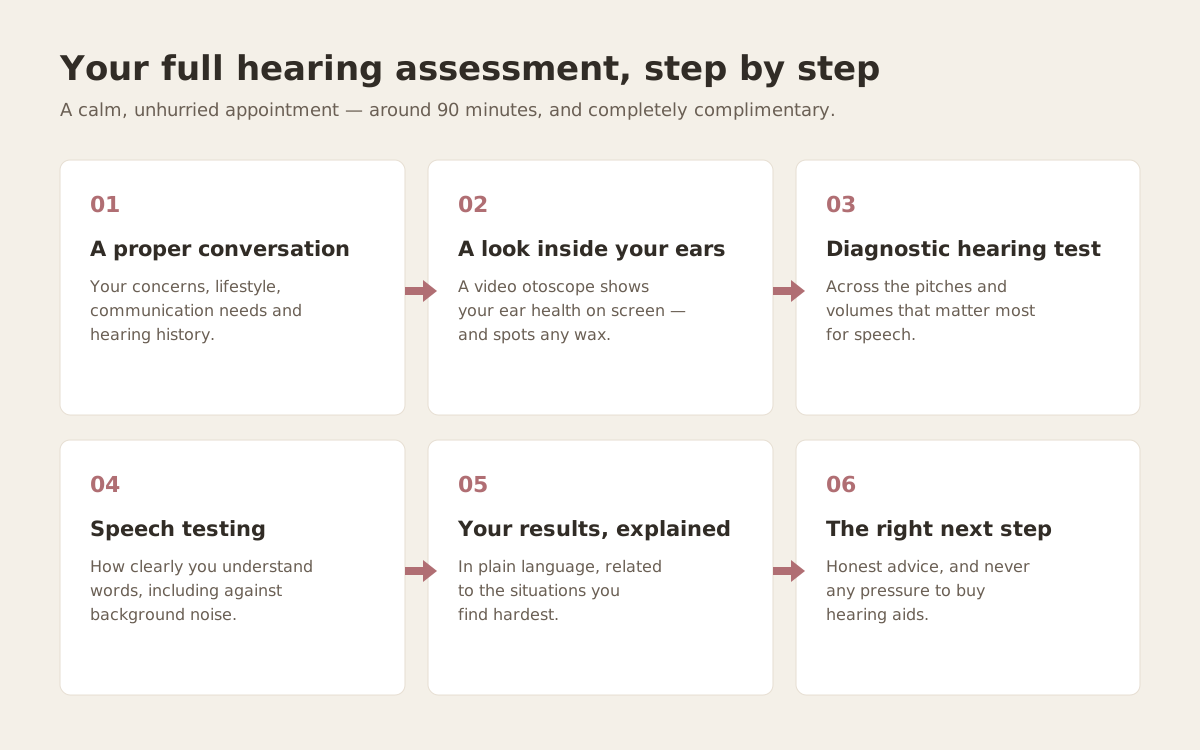
If you are picturing a quick “can you hear this beep?” test, a full hearing assessment is rather more than that — and a good deal more reassuring. It is a calm, unhurried appointment, around 90 minutes, and completely complimentary at STOTTS. Rather than just measuring the quietest sounds you can detect, it builds a real picture of how you hear in everyday life. Here is exactly what to expect.
Before the tests begin
We always start with a proper conversation, not a machine. Your audiologist will ask about the situations you find difficult, how your hearing affects your day-to-day life, your communication needs, and any relevant medical and hearing history. This matters just as much as the tests, because it tells us what “better hearing” actually means for you — following your grandchildren at a family meal is a different goal from hearing colleagues in a meeting.
A look inside your ears
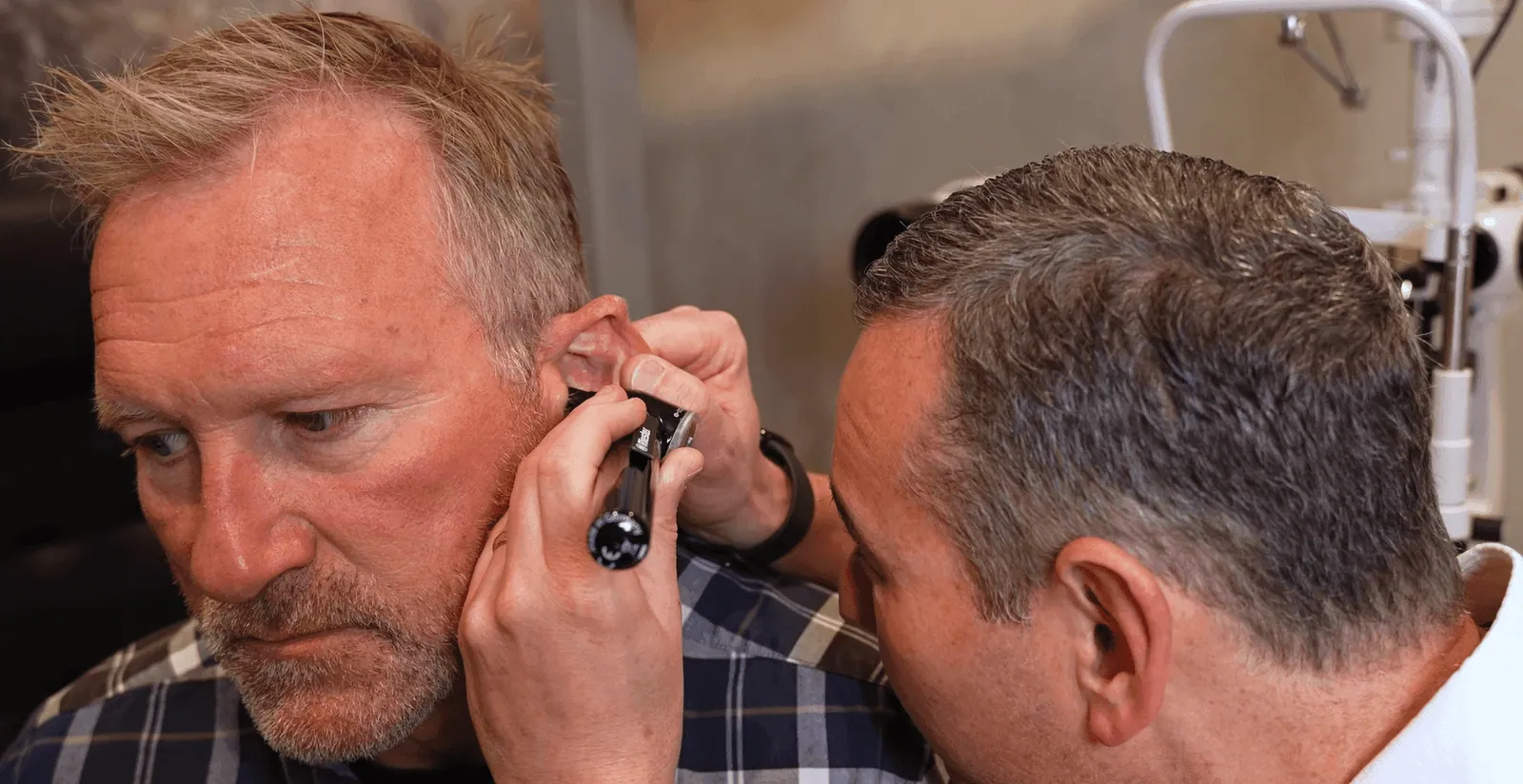
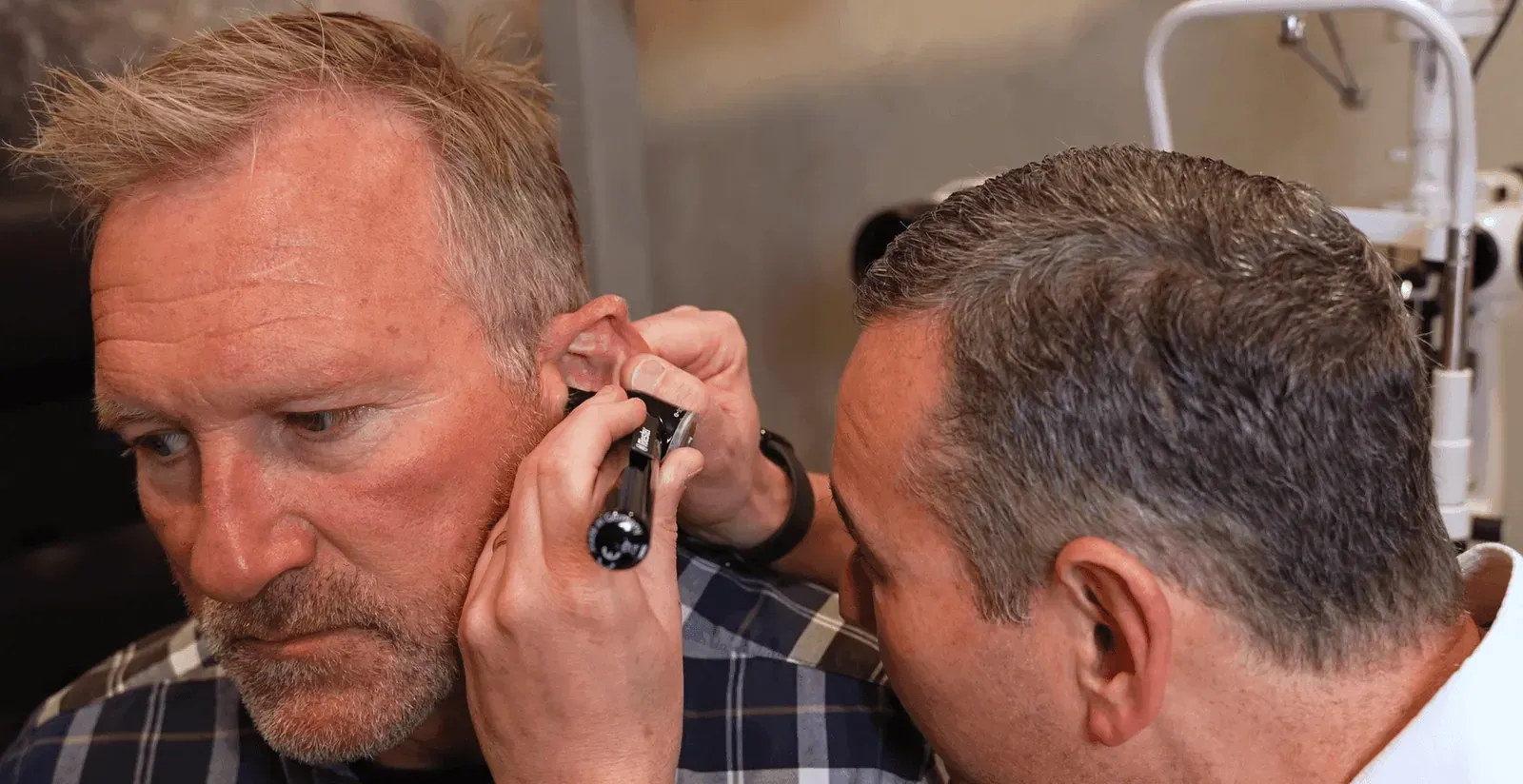
Next, we examine your ears with a video otoscope, so both you and your audiologist can see what is happening on screen. This checks the health of your ear canal and eardrum — and picks up anything simple, like a build-up of ear wax, that could be affecting your hearing before we test any further.
The hearing tests
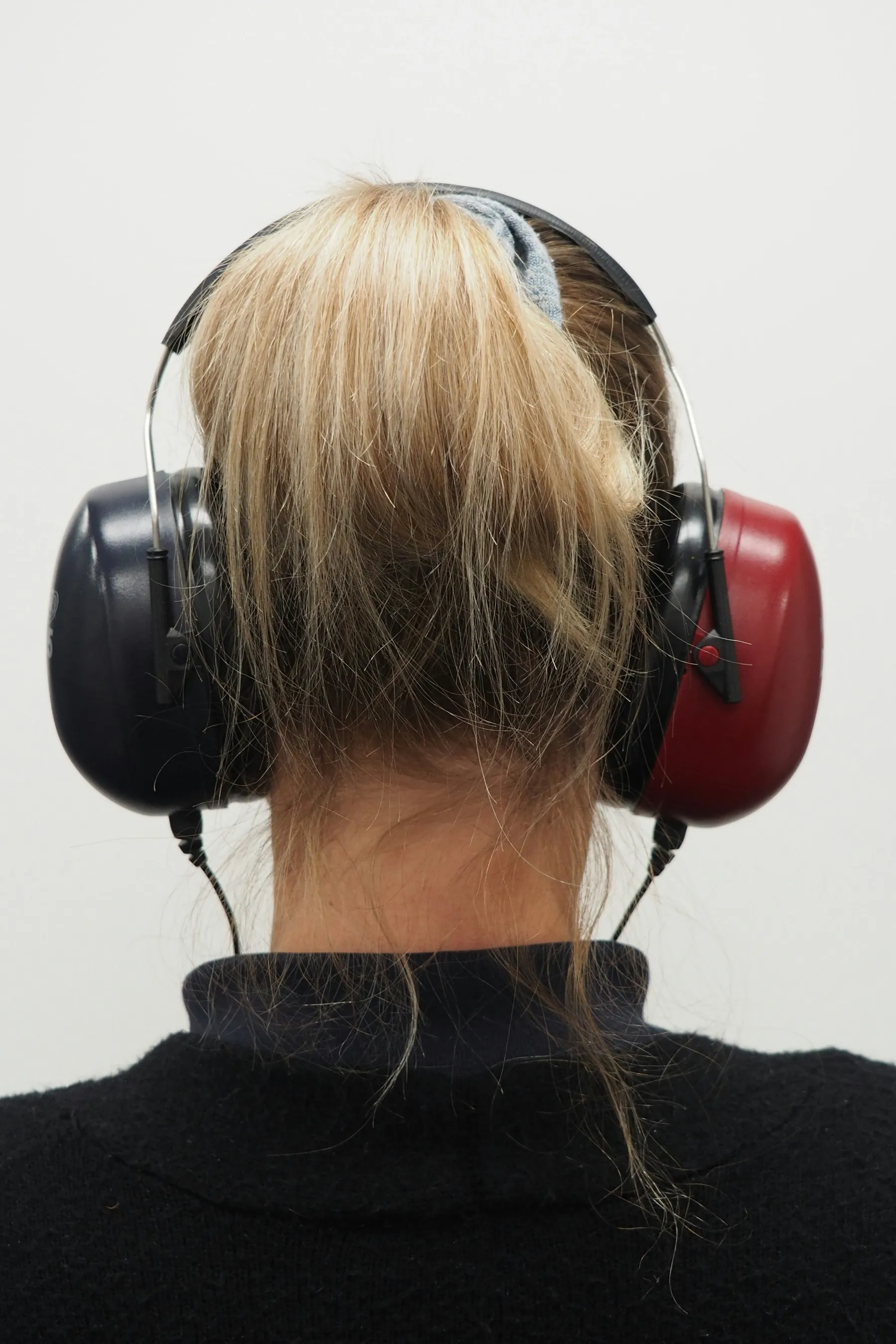
Then come the tests themselves, which are painless and straightforward. A diagnostic hearing test measures how well you hear across the range of pitches and volumes that matter most for speech — you simply respond when you hear a tone. Crucially, we also carry out speech testing and speech-in-noise testing: checking how clearly you understand words, and how you cope when there is background noise. That last part reflects real life far better than tones alone, because understanding speech in a busy room is exactly where most people struggle.
Understanding your audiogram
The results of the tone test are plotted on a simple chart called an audiogram. In plain terms, it maps the softest sounds you can hear at each pitch, from low to high — so it shows the shape of your hearing, not just a single number. Most hearing change affects the higher pitches first, which is why the quiet, high-frequency consonants that carry meaning become harder to catch. Your audiologist will talk you through your audiogram clearly, so you understand what it means rather than just seeing a graph.
Relating the results to everyday life
A good assessment always joins the dots between the numbers and your life. We relate what we find back to the situations you told us about at the start — following conversation, restaurants, family gatherings, the television, telephone calls and work meetings — so the results actually mean something. It is the difference between “your high frequencies are reduced” and “that is why the grandchildren are hard to follow at Sunday lunch”.
What happens next — with no pressure
Finally, we talk through what it all means and what, if anything, would help. There is never any pressure to buy hearing aids. Sometimes the answer is simple reassurance; sometimes it is a small change; sometimes we will explain how modern hearing aids could help, and leave the decision entirely with you. As an independent practice, our job is honest advice, not a sale.
What if something unexpected is found?
Occasionally an assessment turns up something we were not expecting, and it is worth knowing how we handle each:
- Wax — if a build-up is affecting your hearing, we can arrange earwax removal and, where helpful, re-check afterwards
- Asymmetrical hearing — if one ear differs notably from the other, we take that seriously and advise on the right next step
- A medical concern — if anything suggests you should be seen by your GP or a specialist, we will explain why and help you get there
- Hearing aids not needed — if your hearing is healthy, we will simply reassure you and suggest when to check again
How to prepare, and when it is worthwhile
You do not need to do much to prepare, but a few things help: jot down the situations you find hardest, bring a partner or family member if you can (a second perspective is genuinely useful), and note any medications or relevant medical history. It is worth booking an assessment if you often hear people but cannot make out the words, struggle in restaurants or groups, turn the television up, ask people to repeat themselves, or if others have noticed before you have. If you would like a quick first check from home, try our free online hearing test.
When to seek urgent advice
A routine assessment is the right route for gradual changes. But sudden hearing loss, or hearing that is worsening rapidly over hours or a few days — especially in one ear, or with dizziness — should be treated as urgent. Please contact your GP or NHS 111 promptly, as some causes are time-sensitive.
A hearing assessment is calm, thorough and pressure-free — and for most people, far more reassuring than they expect. Understanding your hearing is the first step to enjoying every conversation again.← Back to the Journal