If you live with diabetes, your eyes deserve particular attention — diabetic eye disease is one of the leading causes of sight loss in working-age adults. The reassuring part is that it is largely preventable when it is caught early, which is exactly why regular checks matter so much.
How diabetes affects the eyes
Persistently high blood sugar can damage the tiny blood vessels at the back of the eye. Over time this can lead to:
- Diabetic retinopathy — damage to the retina’s blood vessels, which can leak or become blocked
- Diabetic macular oedema — swelling at the central retina that blurs detailed vision
- Cataracts, which tend to develop earlier in people with diabetes
- A higher risk of glaucoma
- Temporary blurring when blood-sugar levels swing, as the lens changes shape slightly
Why early detection matters — there are often no symptoms
This is the crucial point: in its early stages, diabetic retinopathy usually causes no symptoms at all. Significant damage can be developing while your vision still feels fine. By the time you notice a change, more treatment may be needed — so the goal is always to find it early, before it affects your sight.
NHS diabetic eye screening — and how an eye test adds to it
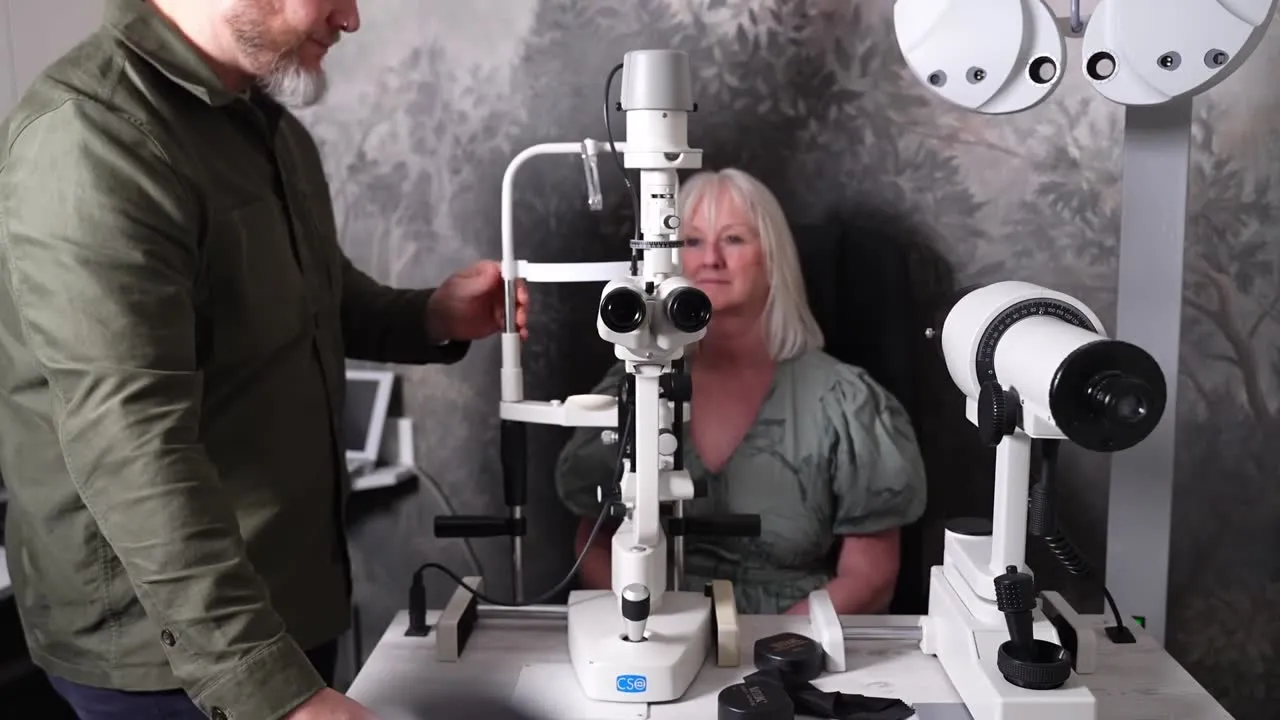
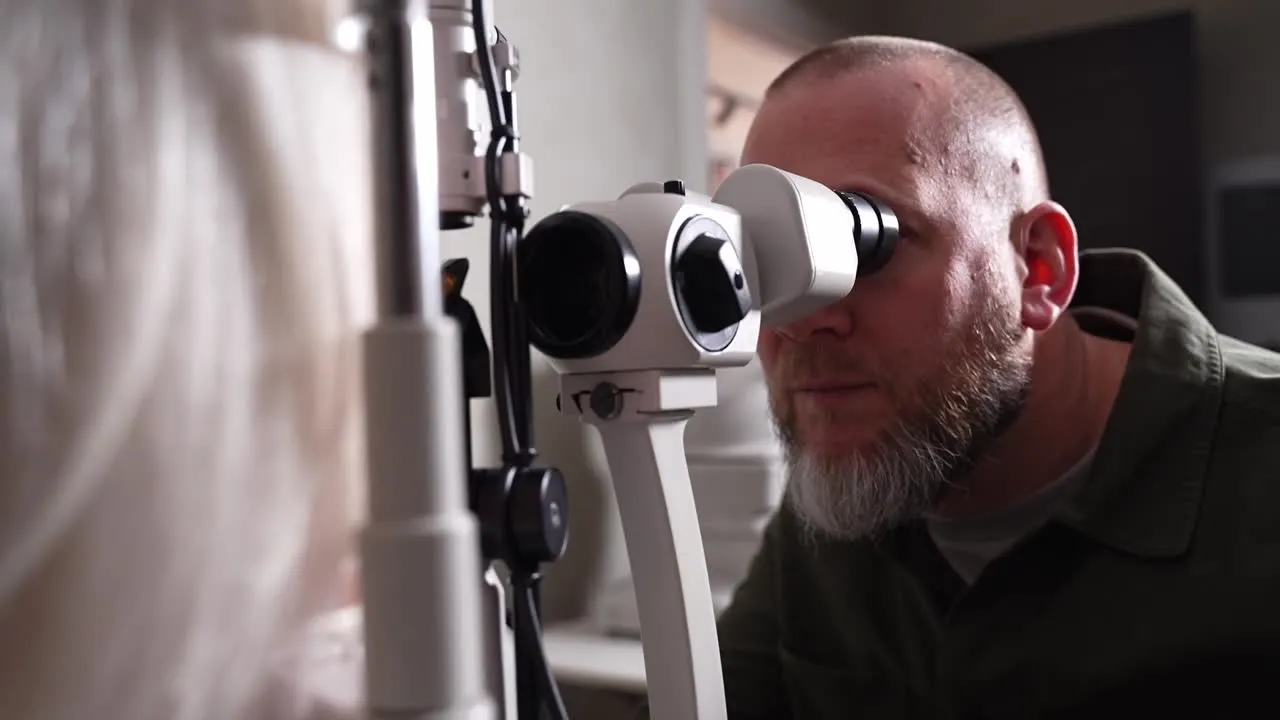
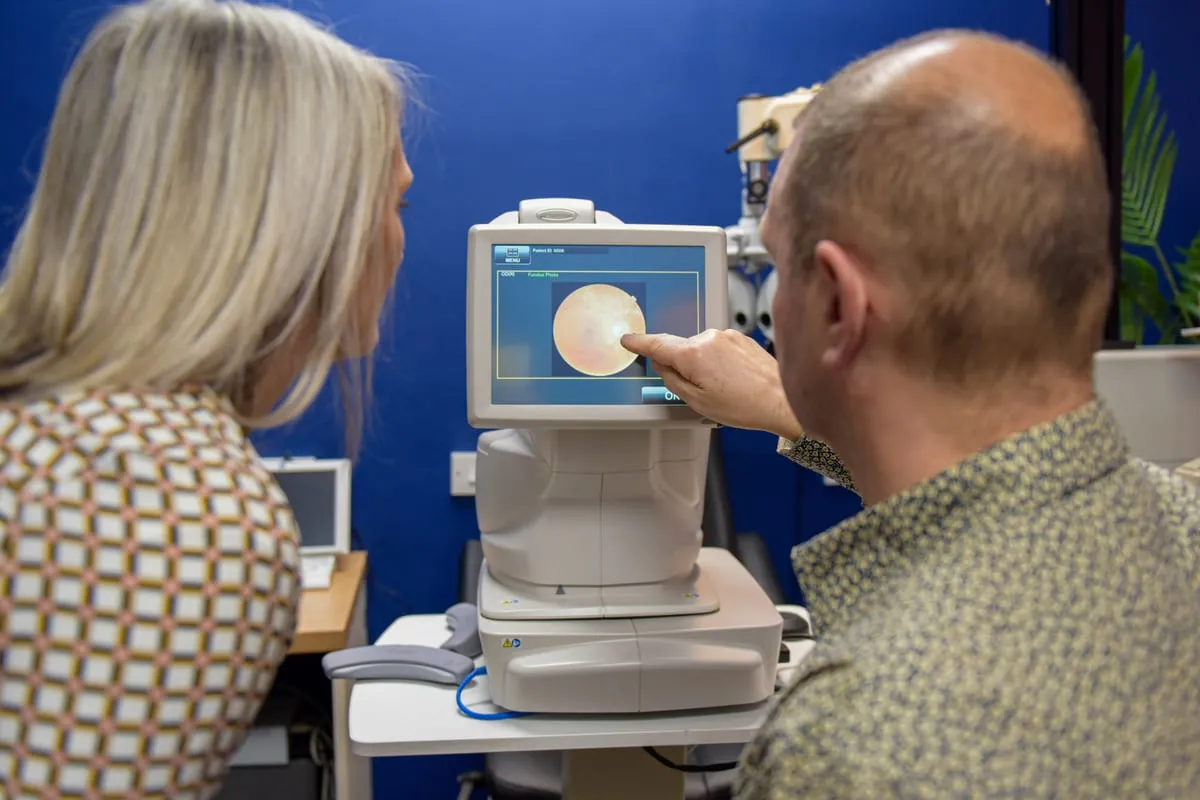
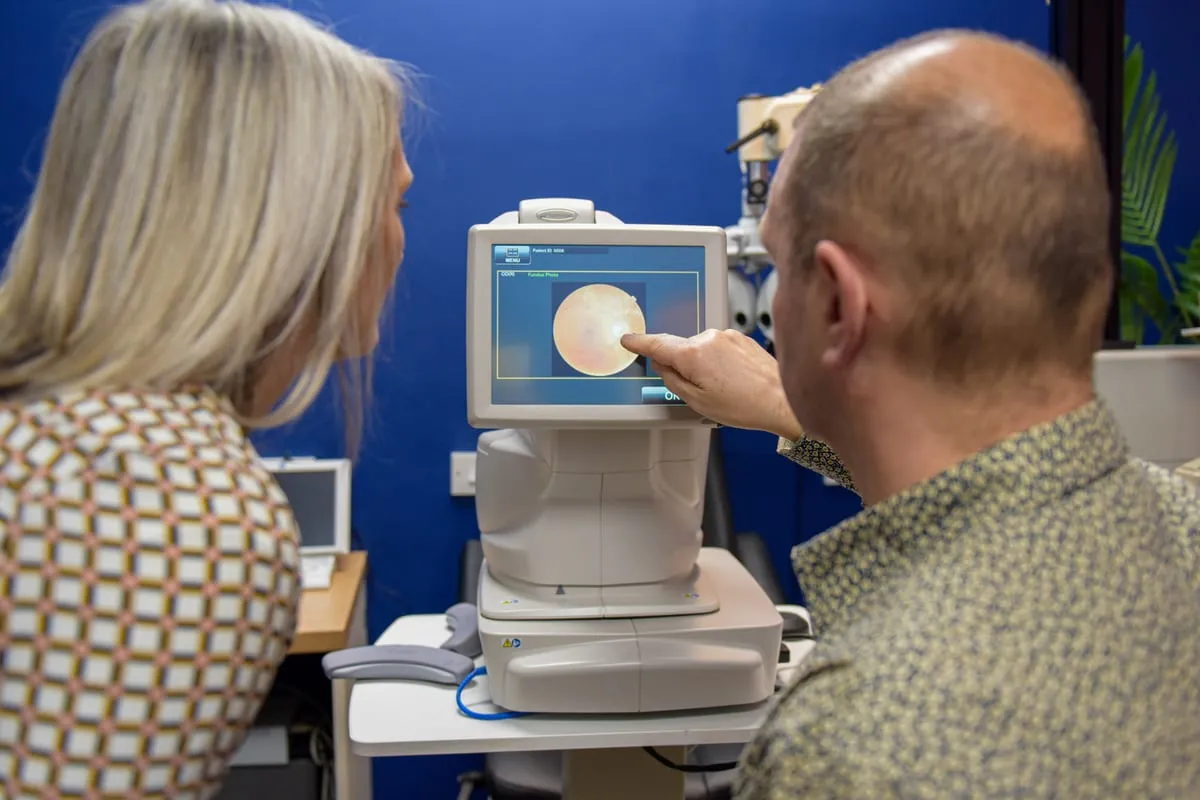
Everyone in the UK with diabetes aged 12 and over is invited to free NHS diabetic eye screening, which photographs the retina to look for early changes. Please always attend it. A comprehensive eye examination is not a replacement for that screening, but it complements it — checking your prescription, eye pressures and overall eye health, with detailed OCT and retinal imaging available through our advanced assessment.
Protecting your eyes with diabetes
- Keep blood sugar, blood pressure and cholesterol as well controlled as you can
- Attend every diabetic eye screening appointment you are invited to
- Have regular eye examinations as well
- Never ignore a change in vision — report sudden changes promptly
- If you smoke, stopping meaningfully lowers your risk
Diabetic eye disease is largely preventable when it is caught early — and early is often before you would notice anything at all. That is the whole case for screening and regular checks.← Back to the Journal