It is a completely reasonable question, and the answer is reassuring: worn as prescribed and with good hygiene, daily contact lens wear is safe for the great majority of people. Millions wear lenses every day without any trouble. The problems that do occur almost always come down to a handful of avoidable shortcuts — so knowing the rules, and the warning signs, is what keeps lens wear safe and comfortable.
First, the reassurance
Contact lenses are a well-established, safe way to correct your vision. A proper fitting, regular aftercare and a few good habits keep the risks very low — which is exactly why so many people wear them happily for years.
The golden rules of safe wear
Almost all the safety of contact lens wear comes down to these:
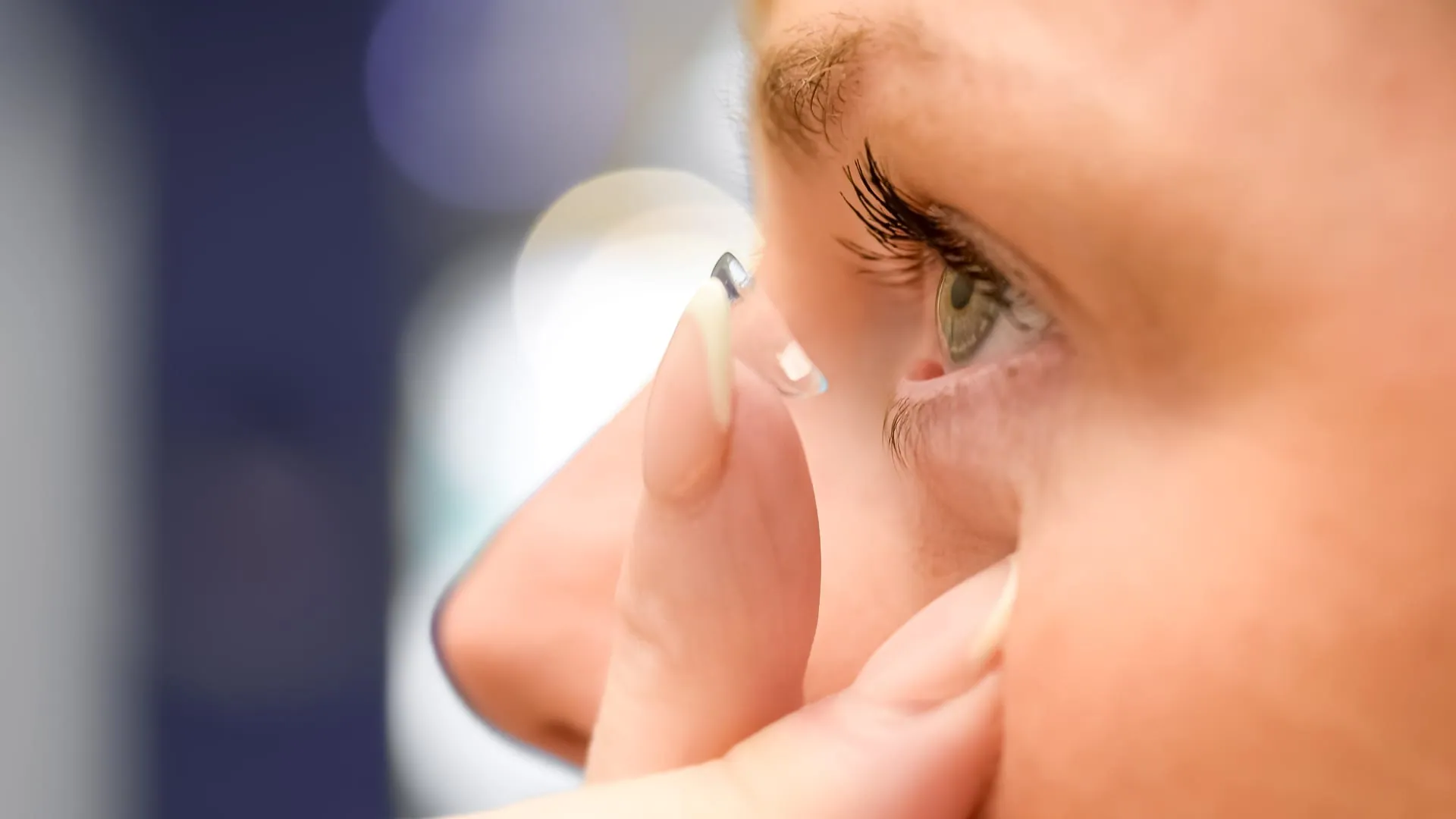
- Wash and dry your hands before handling your lenses
- Stick to the wearing schedule you are given, and do not over-wear them
- Never sleep in your lenses unless they are specifically prescribed for it
- Keep lenses away from water — no swimming, showering or rinsing in tap water without protection
- Never top up old solution — use fresh solution every time, and replace your case regularly
- Replace your lenses as directed (daily disposables are thrown away each day)
- Keep up with your contact-lens check-ups
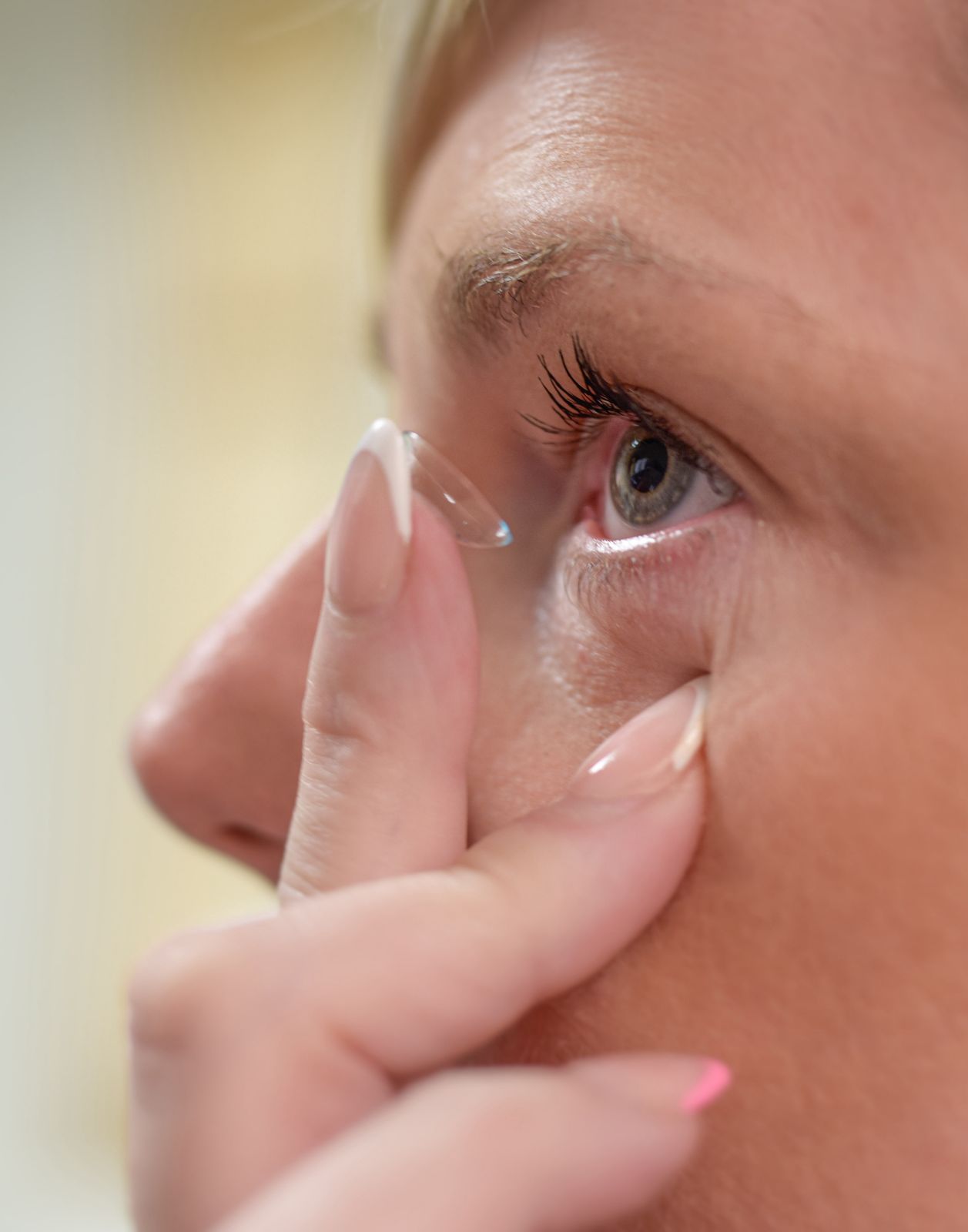
Why these rules matter
The main serious risk with contact lenses is a rare but sight-threatening infection of the front of the eye, called microbial keratitis. What raises the risk of it are precisely the shortcuts above — sleeping in lenses, exposing them to water, and poor hygiene. Follow the rules and the risk stays very low; that is the whole point of them.
Are daily disposables safer?
For many people, yes. A fresh, sterile lens every day takes cleaning and storage out of the equation altogether, which is why daily disposables are such a popular, low-maintenance and low-risk choice. Whether they are right for you depends on your eyes and your lifestyle, which is something we will talk through.
Warning signs — take your lenses out and get help
Remove your lenses and seek advice promptly if you notice any of the following, and do not simply push through:
- Redness
- Pain or persistent discomfort
- Unusual sensitivity to light
- Blurred vision
- Watering, or a feeling that something is stuck that will not settle
A simple rule to remember: if in doubt, take them out. Discomfort is your eye’s early warning system, and acting on it promptly is what keeps a minor irritation from becoming a problem.
What about astigmatism, or needing reading glasses?
Neither rules you out. Toric lenses correct astigmatism, multifocal lenses handle the need for reading vision, and there are specialist lenses for eyes that are trickier to fit. Most people can be suited if they would like to wear lenses.
Why the fitting and check-ups matter
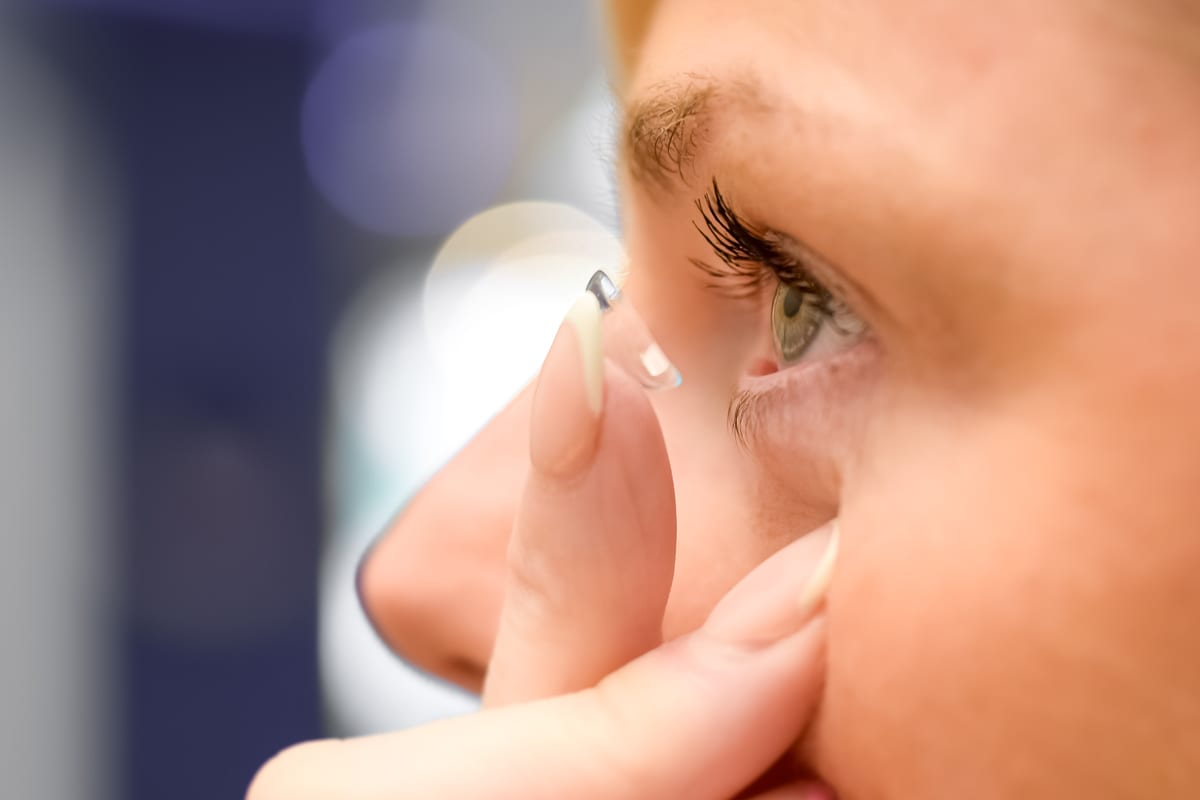
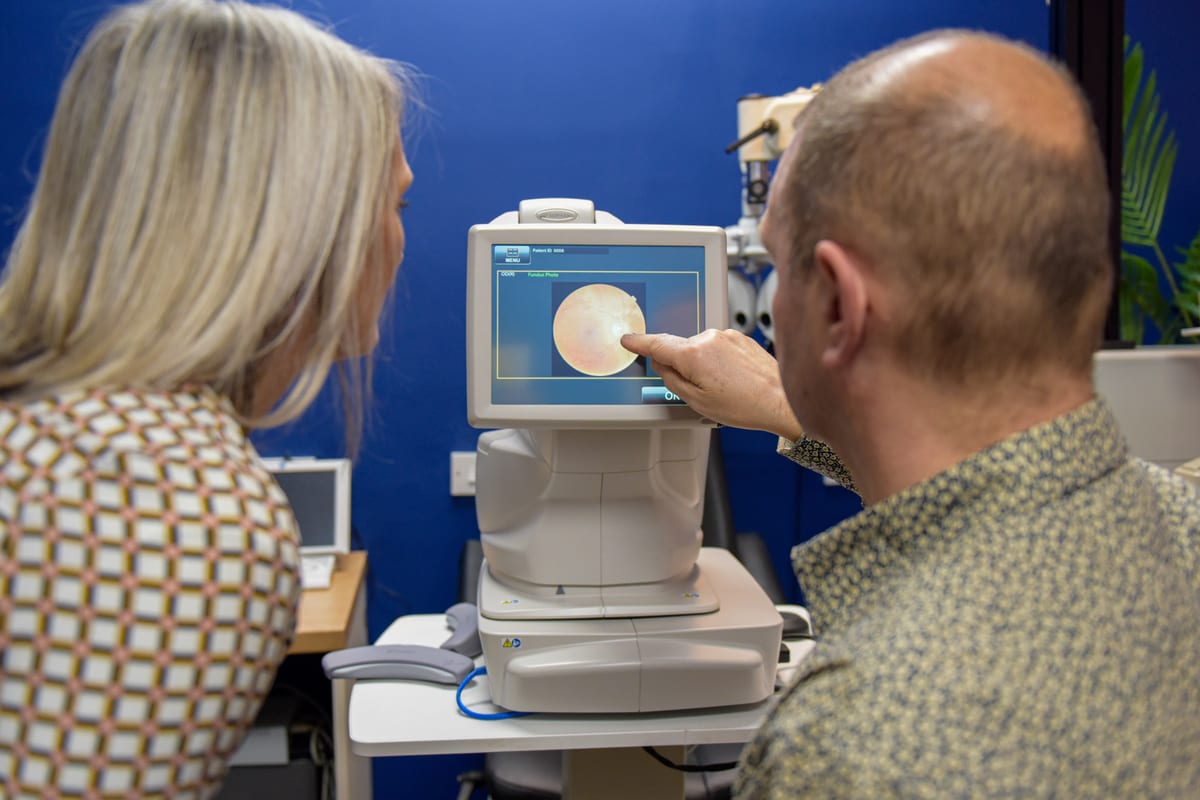
A contact-lens fitting makes sure the lens genuinely suits your eye shape, your tear film and how you live, and your check-ups keep your eyes healthy over time. That ongoing care is a big part of what makes daily lens wear so safe — it is not just about the lens, but the eye behind it.
Worn as prescribed, with clean hands and no water or sleeping in them, daily contact lenses are safe and comfortable for most people. Respect the few simple rules, and listen to your eyes.← Back to the Journal