
Myopia Management
Helping protect your child's vision for the future.
Careful assessment, ongoing monitoring and evidence-based options that may help slow short-sightedness in children — not just clearer vision today, but healthier eyes for life.
Understanding myopia
More than a stronger prescription each year.
Myopia, or short-sightedness, is becoming increasingly common in children. Your child can usually see clearly up close, but the distance may appear blurred — the board at school, road signs, television, sport or faces across a room.
Traditionally, myopia was simply corrected with stronger glasses as it progressed. Today, we know there may be more we can do.
At STOTTS., our Myopia Management Clinic is designed to assess your child's vision carefully, monitor changes over time, and recommend evidence-based options that may help slow progression where appropriate — because the aim is not just clearer vision today, but protecting your child's long-term eye health.
Why myopia matters
Myopia is not just a prescription.
When a child becomes more short-sighted, it is often because the eye is growing longer than it should. The concern isn't only thicker lenses — higher levels of myopia are associated with a greater lifetime risk of certain eye health problems later in life. That is why early identification, careful monitoring and the right plan can matter so much.
Signs to look for
Your child may be short-sighted if they…
- Struggle to see the board at school
- Sit close to the television
- Hold screens or books very close
- Squint when looking into the distance
- Complain of tired eyes or headaches
- Avoid distance-based activities
- Seem less confident in sport or the classroom
- Have a parent or sibling who is short-sighted
Children do not always realise their vision is blurred. To them, it may simply feel normal.
A proactive approach
What is myopia management?
Instead of only correcting blurred vision, we assess how quickly your child's myopia is progressing and whether specialist lenses, contact lenses or other strategies may help slow it. Not every child needs the same approach — we look at your child's prescription, age, visual habits, family history, lifestyle, eye health and rate of change before making a recommendation.
Your child's appointment
What happens at a Myopia Management appointment?
The appointment is designed to give us a clearer understanding of your child's vision, risk factors and long-term needs. We may assess:
We explain everything clearly, so you understand what is happening and why we are recommending a particular approach.
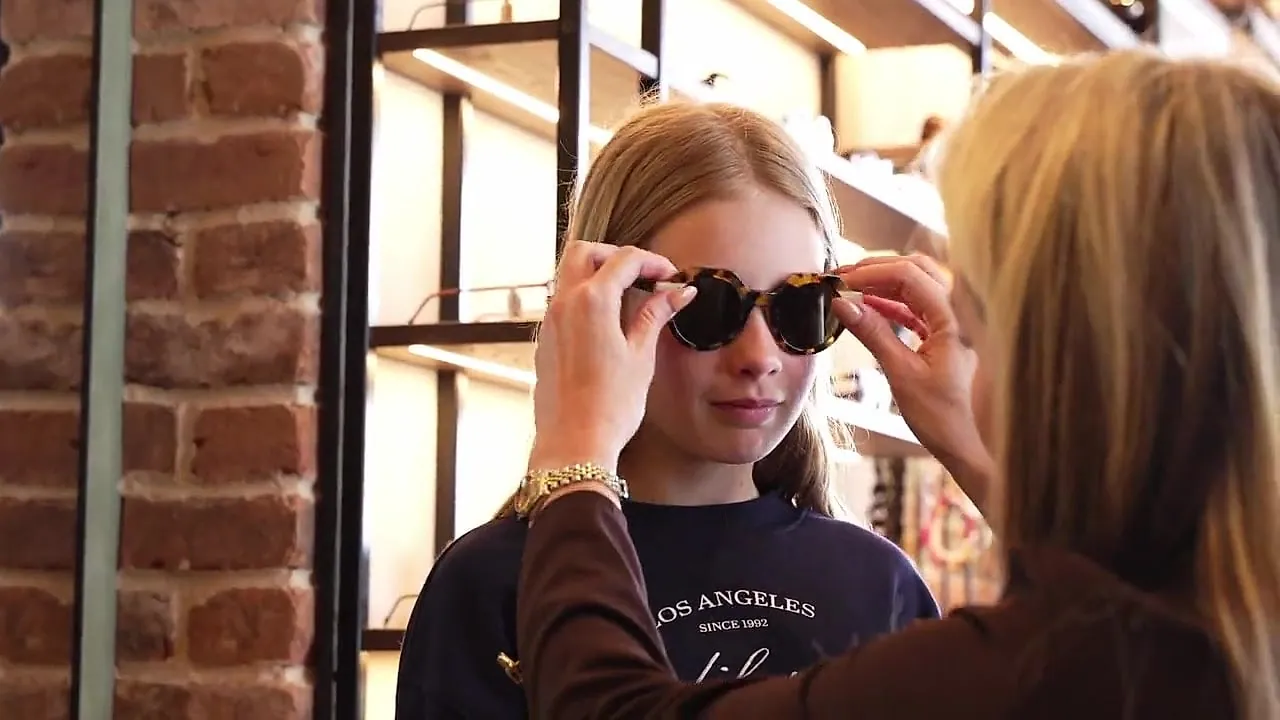
Looking after little eyes
Small, regular check-ins today can help protect your child's sight for decades to come.
Management options
Options shaped around your child.
Depending on your child's age, prescription, lifestyle and suitability, options may include:
- Specialist myopia management spectacle lenses
- Myopia management contact lenses
- Orthokeratology lenses where appropriate
- Lifestyle guidance on screen use, close work and outdoor time
- Regular monitoring to track progression
There is no single best option for every child. The right plan depends on the child in front of us.
Why choose STOTTS.
Myopia management needs more than a pair of glasses — it needs careful assessment, accurate fitting, ongoing monitoring and clear communication.
No pressure.No confusion.No one-size-fits-all.
Just clear, evidence-led guidance and a personalised plan for your child.
Myopia Management FAQs
Good to know.
What is myopia?
Myopia, or short-sightedness, means distant objects appear blurred while close objects are usually clearer. It often starts in childhood and may progress as the eyes grow.
Can myopia be cured?
Myopia cannot usually be reversed, but some specialist options may help slow progression in children where appropriate.
Is myopia management the same as normal glasses?
No. Standard glasses correct blurred vision. Myopia management aims to correct vision while also helping to slow the progression of short-sightedness.
When should my child be assessed?
Your child should be assessed if they are struggling to see in the distance, becoming more short-sighted, have a family history of myopia, or have already been prescribed glasses for short-sightedness.
What options are available?
Options may include specialist spectacle lenses, myopia management contact lenses, orthokeratology where appropriate, lifestyle advice and regular monitoring.
Why is outdoor time important?
Spending more time outdoors is associated with a lower risk of developing myopia and may help support healthier visual habits in children.
How often will my child need to be monitored?
This depends on their age, prescription, rate of change and chosen management plan. We will recommend a review schedule based on your child’s individual risk.
More specialist care
Explore our other specialist services.
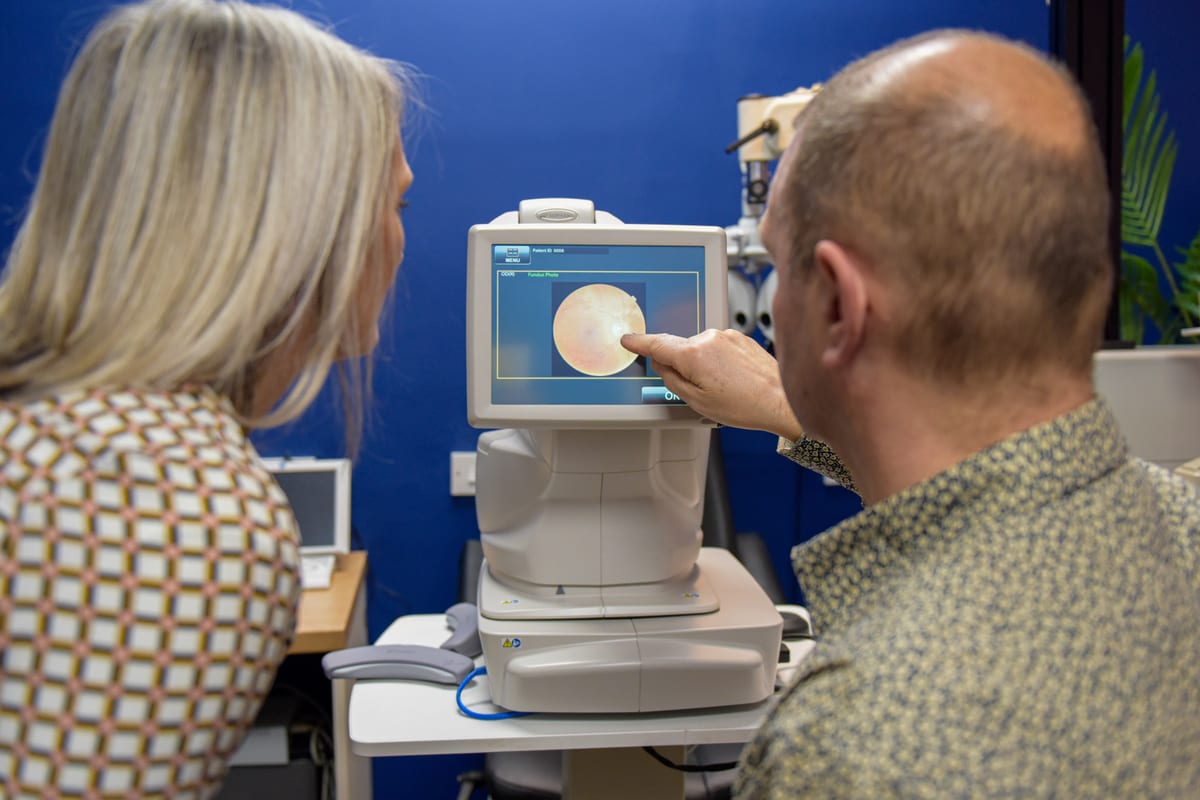
Specialist
Glaucoma Screening
Detailed screening to detect and monitor glaucoma early, helping protect your long-term sight.
Enquire →
Specialist
Low Vision Centre
Specialist support, aids and advice to help you make the most of your remaining vision.
Enquire →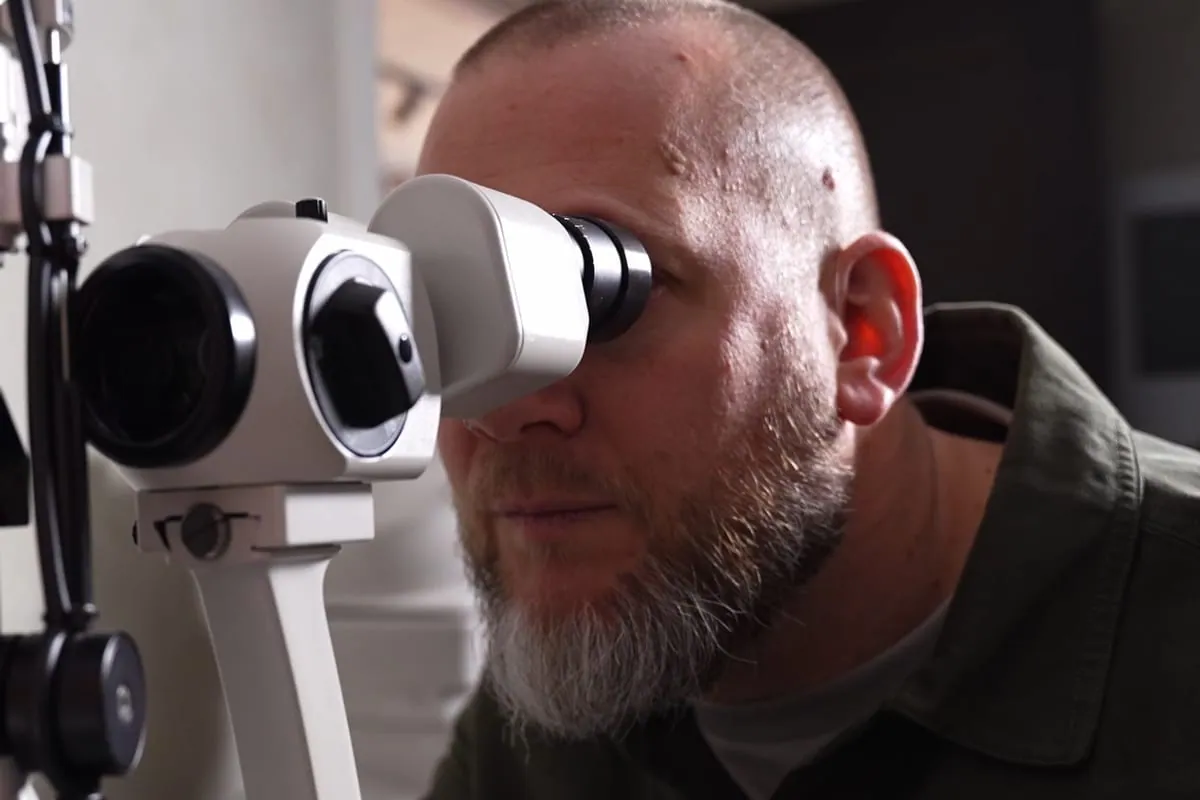
Specialist
Cataract Referral
Assessment and onward referral for cataract care, guiding you smoothly through every step.
Enquire →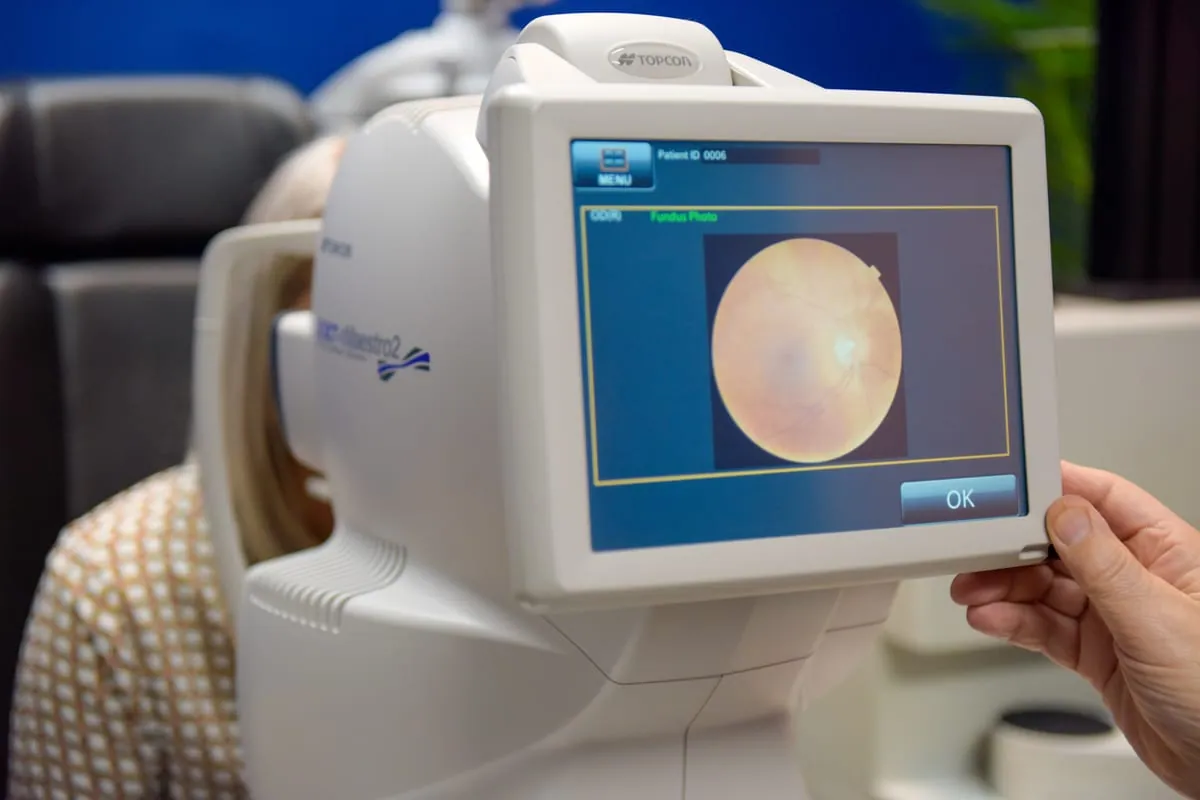
Specialist
Macular Screening
Advanced retinal imaging with OCT — and Optomap at our Urmston practice — to monitor and protect your macular health.
Enquire →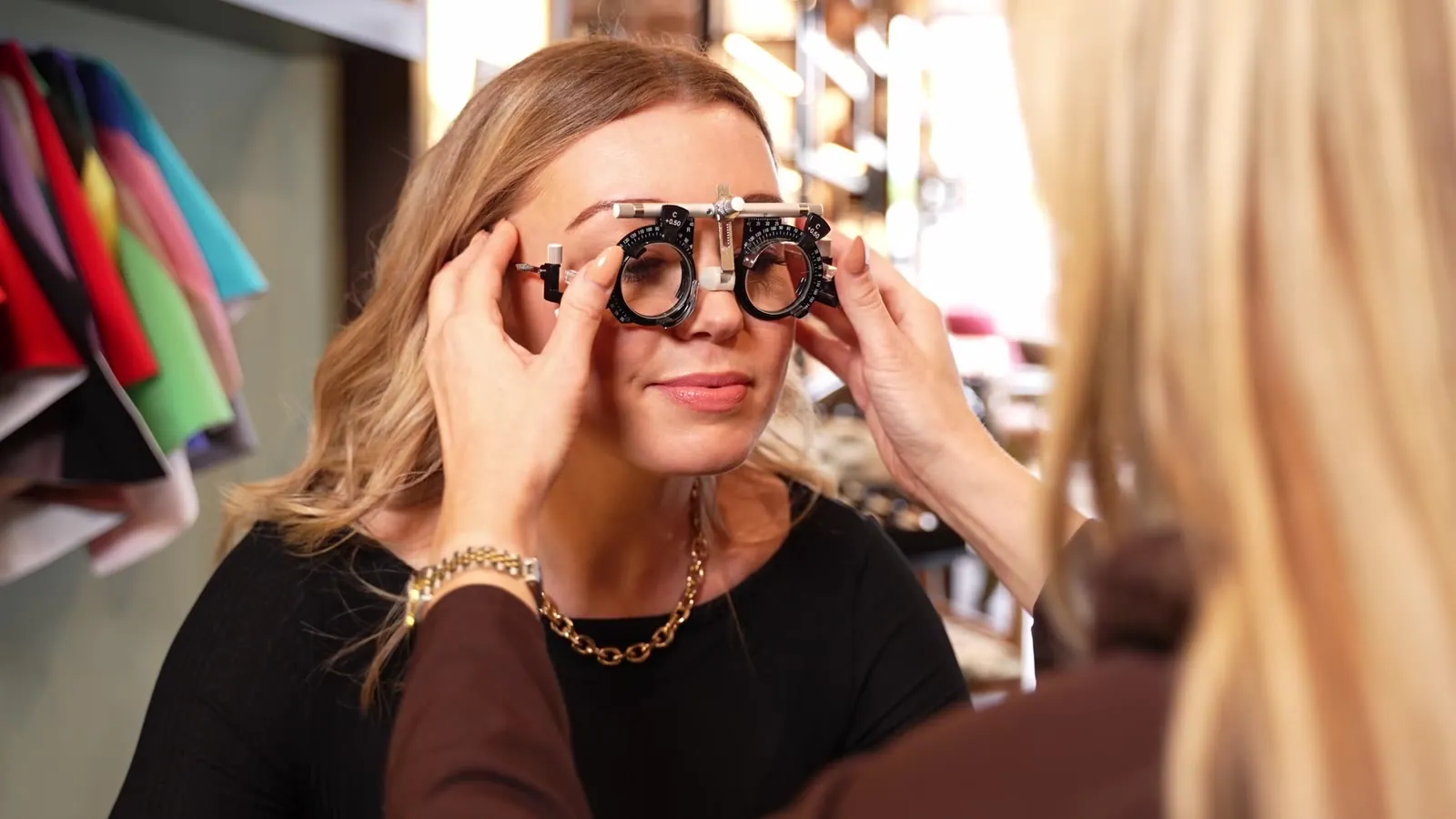
Specialist
Ortho-K
Overnight lenses that gently reshape your vision, so you can see clearly without daytime lenses.
Enquire →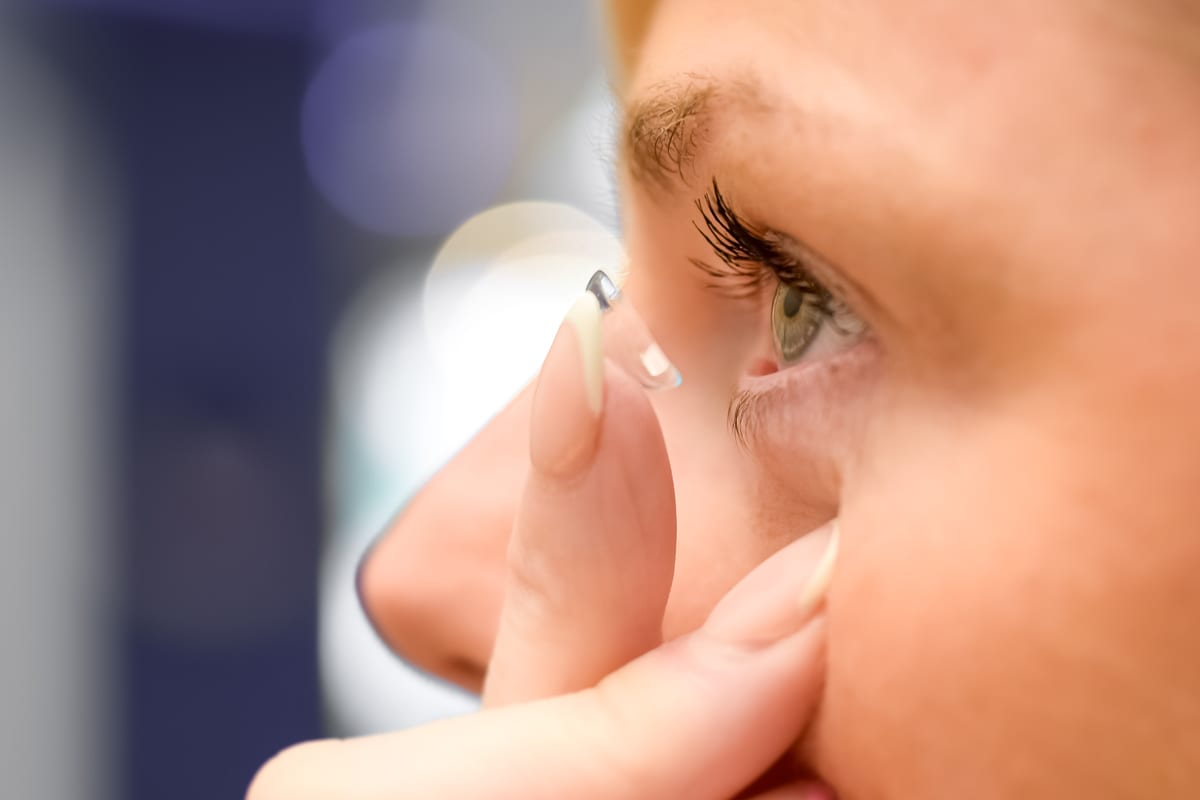
Specialist
Specialist Contact Lenses
Custom-fitted lenses for complex prescriptions, irregular corneas and harder-to-fit eyes.
Enquire →
The earlier we understand it, the more we can help.
If your child is short-sighted, becoming more short-sighted, or you have a family history of myopia, book a Myopia Management Assessment at STOTTS.