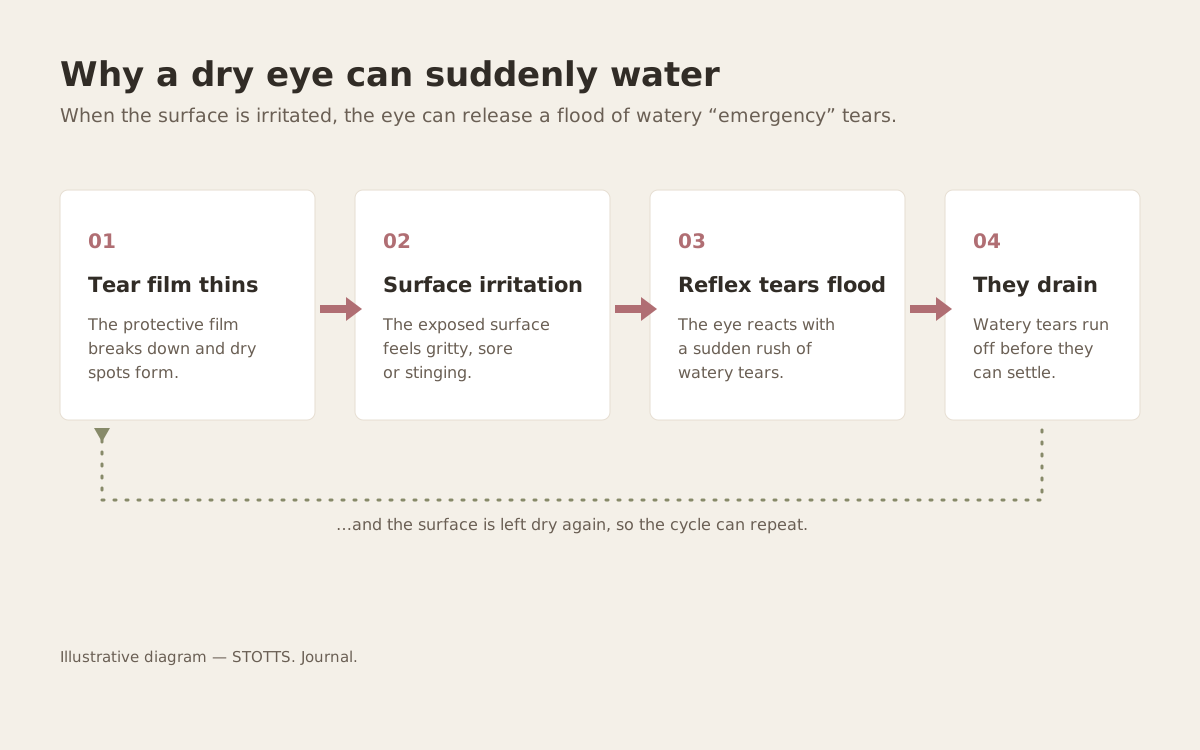
If your eyes feel dry and yet stream with water, it can seem completely contradictory — but it is one of the most common things we are asked about, and there is a simple explanation. Dry, irritated eyes often set off a reflex: the surface becomes uncomfortable, and your eyes respond with a sudden flood of watery “emergency” tears. In other words, the watering is usually a reaction to the dryness, not the opposite of it.
Why dry, irritated eyes end up watering
Your eyes are constantly bathed in a thin, balanced layer of tears that keeps the surface smooth and comfortable. When that layer breaks down and the surface dries out in patches, those exposed areas feel gritty or sore. The eye reads that irritation as a warning and reacts the only way it can — by releasing a rush of watery tears to wash the surface. The trouble is that these reflex tears are watery and short-lived. They arrive too quickly, in too great a volume, and simply run over the lid or drain away before they can restore any lasting comfort. Moments later the surface is dry again, and the cycle can repeat.
What a healthy tear film actually does
A comfortable eye relies on a stable “tear film” — not simply water, but three thin layers working together. An oily layer on the outside slows evaporation and stops your tears drying out too fast. A watery layer beneath it nourishes and cleans the surface. And a mucin layer helps everything spread smoothly and stick evenly across the eye. When all three are balanced, your eyes stay quietly comfortable and you barely notice them.
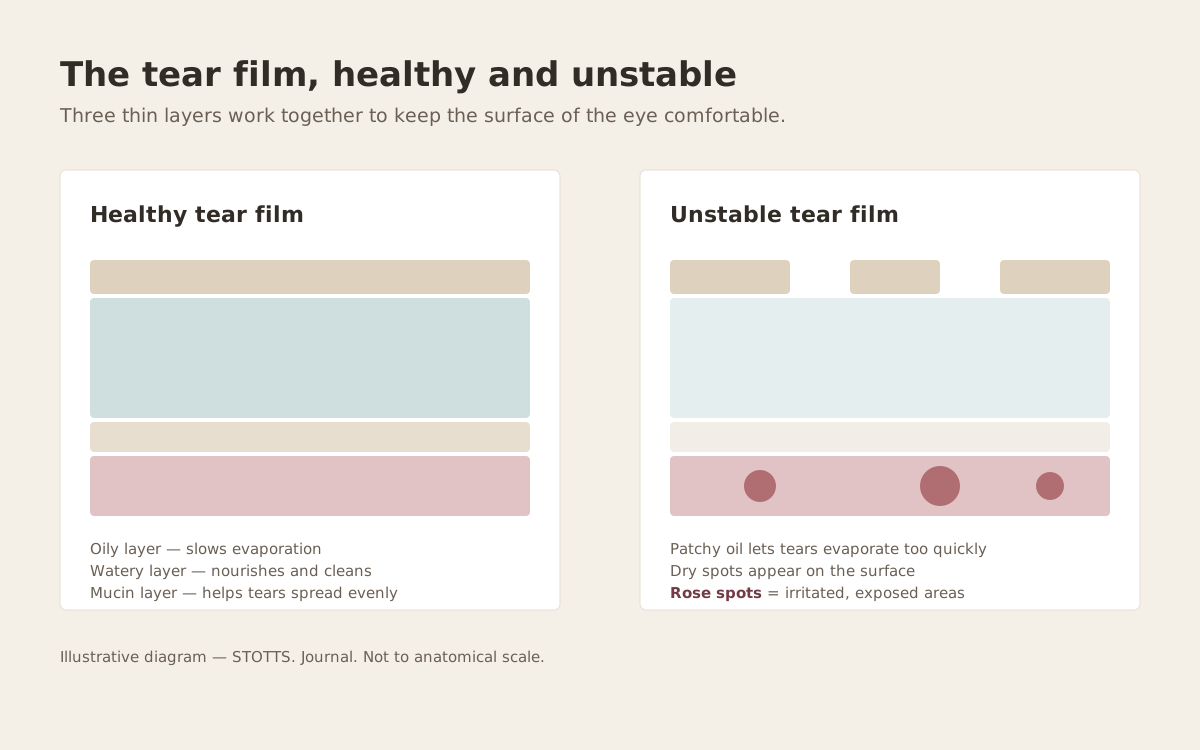
This is the key difference between the two kinds of watering. A balanced tear film keeps you comfortable all day without you thinking about it. Reflex tears are a one-off emergency response — a splash of water with none of the oil and mucin that make tears last. So you can be genuinely dry and visibly watery at the same time, because the reflex tears never fix the underlying instability.
Common reasons the tear film becomes unstable
Dry-eye symptoms rarely have a single cause. More often, several everyday factors add up. Common contributors include:
- Meibomian gland dysfunction — when the tiny oil glands in the eyelids become blocked, the oily layer thins and tears evaporate too quickly
- Blepharitis — inflammation along the lid margins that unsettles the tear film
- Prolonged screen use — we blink far less when concentrating on screens, so the film dries between blinks
- Contact-lens wear — lenses can change how tears sit on the eye; our contact lens service looks at comfort as well as vision
- Menopause and hormonal changes — shifting hormones can affect tear production and the eyelid oil glands
- Wind and cold weather — dry outdoor air pulls moisture from the surface
- Central heating and air conditioning — indoor environments are often much drier than we realise
- Allergies — itching and inflammation can disrupt the surface and the tear film
Watery eyes are not always about dryness
It is worth saying clearly: watery eyes are not always a dry-eye problem. Sometimes the issue is drainage rather than production. Tears leave the eye through tiny channels in the inner corner of the lid; if those become narrowed or blocked, tears simply have nowhere to go and spill over. Allergies, a lash turning inwards, or lid position can also cause watering. That is exactly why a proper look matters — the right help depends on the actual cause, and guessing rarely gets it right.
Please do not keep rubbing
When eyes feel sore or watery, the instinct is to rub or wipe them — but this tends to make things worse. Rubbing irritates an already sensitive surface, can inflame the eyelids further, and briefly disturbs the tear film so the relief never lasts. If your eyes water, dab gently at the cheek rather than pressing or rubbing the eye itself.
Simple steps that may help in the meantime
None of the following will diagnose or cure the cause, but they are low-risk and often bring some relief while you arrange advice:
- Take regular screen breaks and blink fully — the “20-20-20” idea (every 20 minutes, look about 20 feet away for 20 seconds) helps
- Try a warm compress over closed lids for a few minutes to soften the eyelid oils
- Add some humidity to dry, heated or air-conditioned rooms, and avoid sitting in a direct draught or car vent
- Stay well hydrated through the day
- Position screens slightly below eye level, which exposes less of the eye surface
- Remove eye make-up gently and keep the lid margins clean
- Preservative-free artificial tears from a pharmacy can soothe the surface — but they treat the symptom, not the underlying cause
If your symptoms keep returning, last more than a couple of weeks, or interfere with driving, reading or screen work, it is worth having them looked at properly rather than managing them indefinitely.
When it is worth booking a dry-eye assessment
Consider arranging an assessment if you regularly notice any of these:
- Eyes that feel dry, gritty or tired — yet also water
- Symptoms that come back as soon as drops wear off
- Discomfort during screen work, reading or contact-lens wear
- Redness, a burning feeling, or blurring that clears when you blink
- Symptoms that are getting more frequent or harder to ignore
A focused assessment at our Dry Eye Clinic looks beyond temporary relief to understand why your tear film is unstable — so any advice is aimed at the cause, not just the symptom.
What happens at a dry-eye assessment
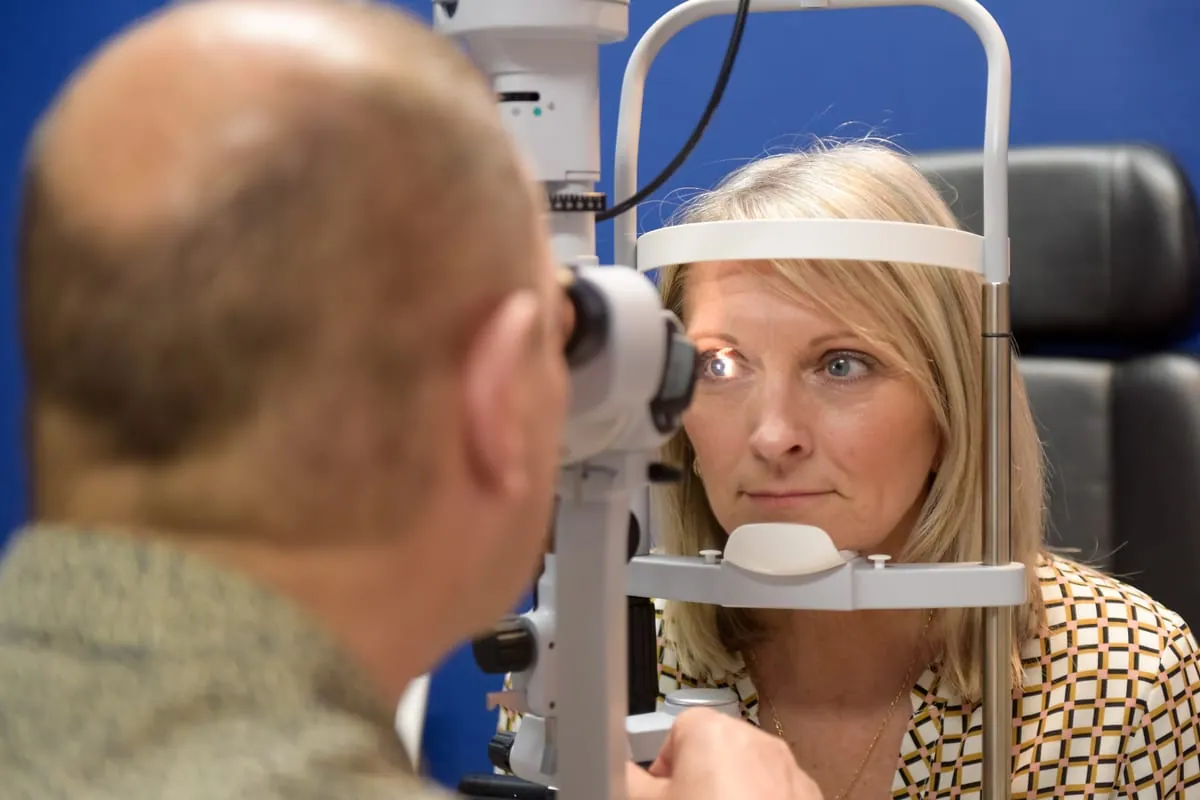
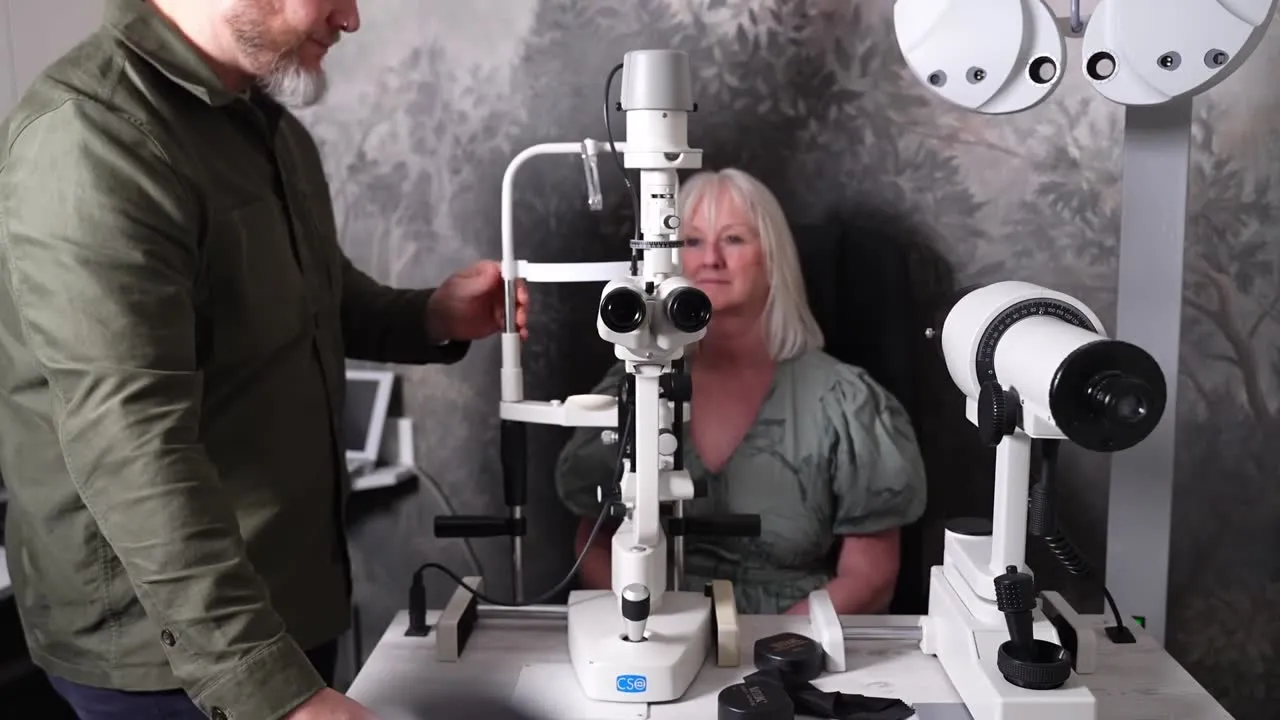
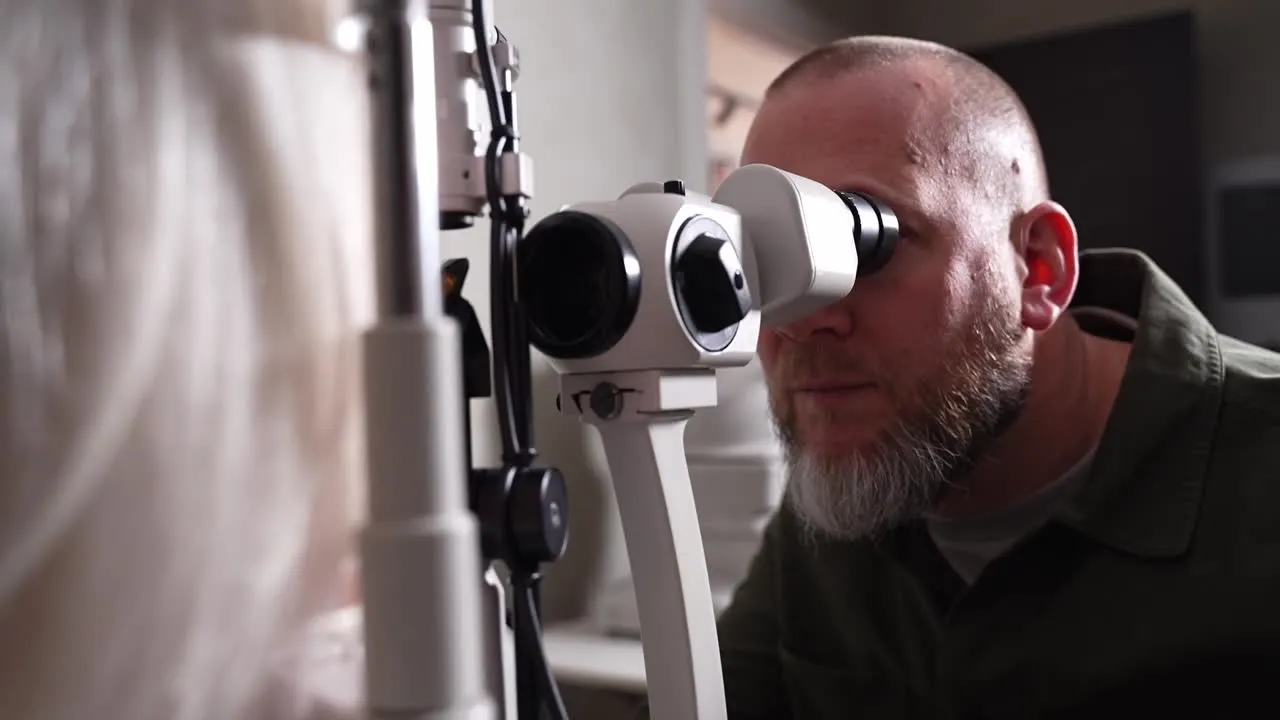
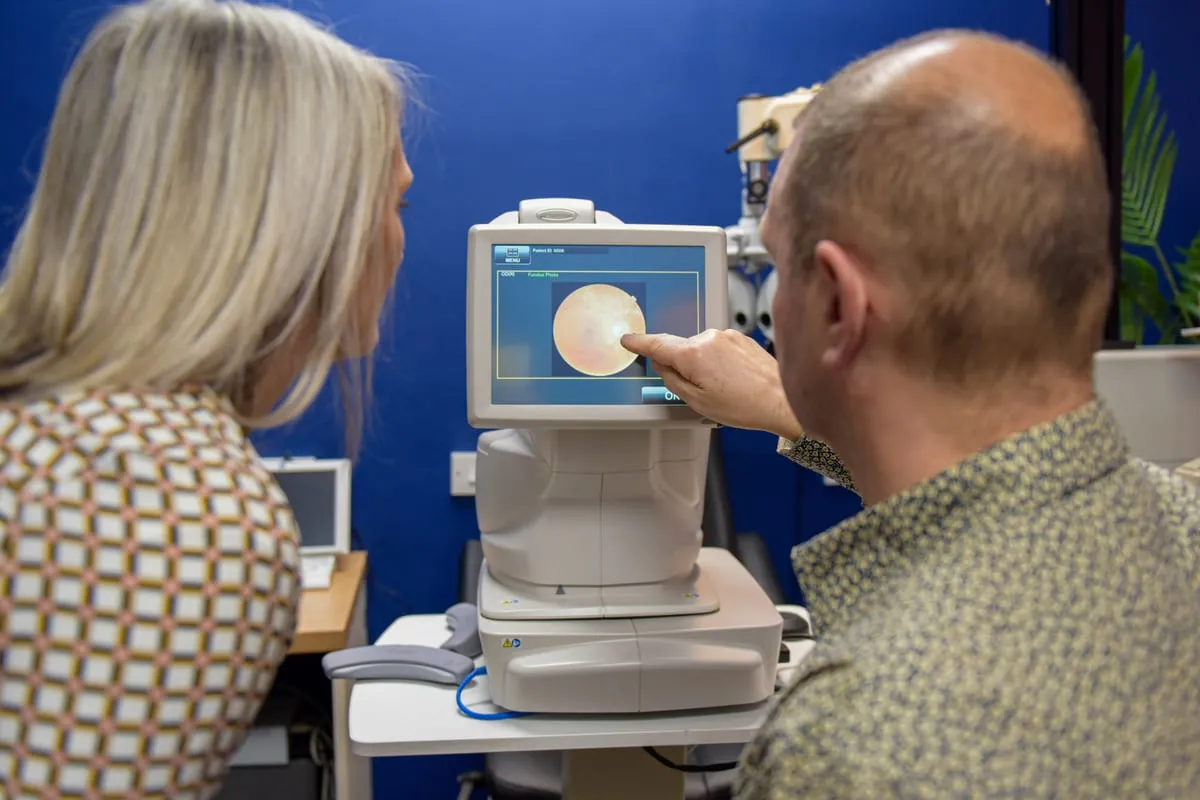
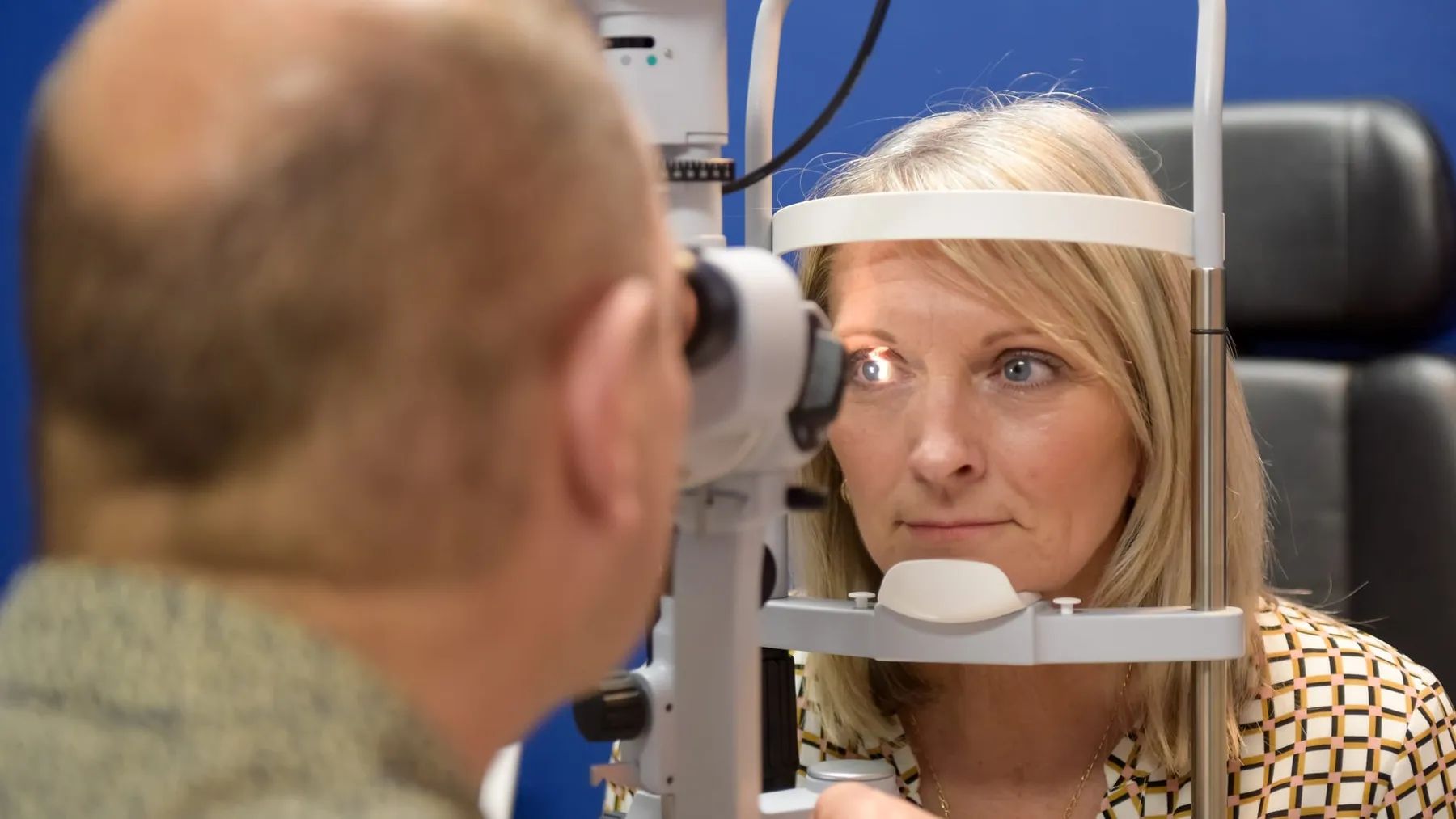
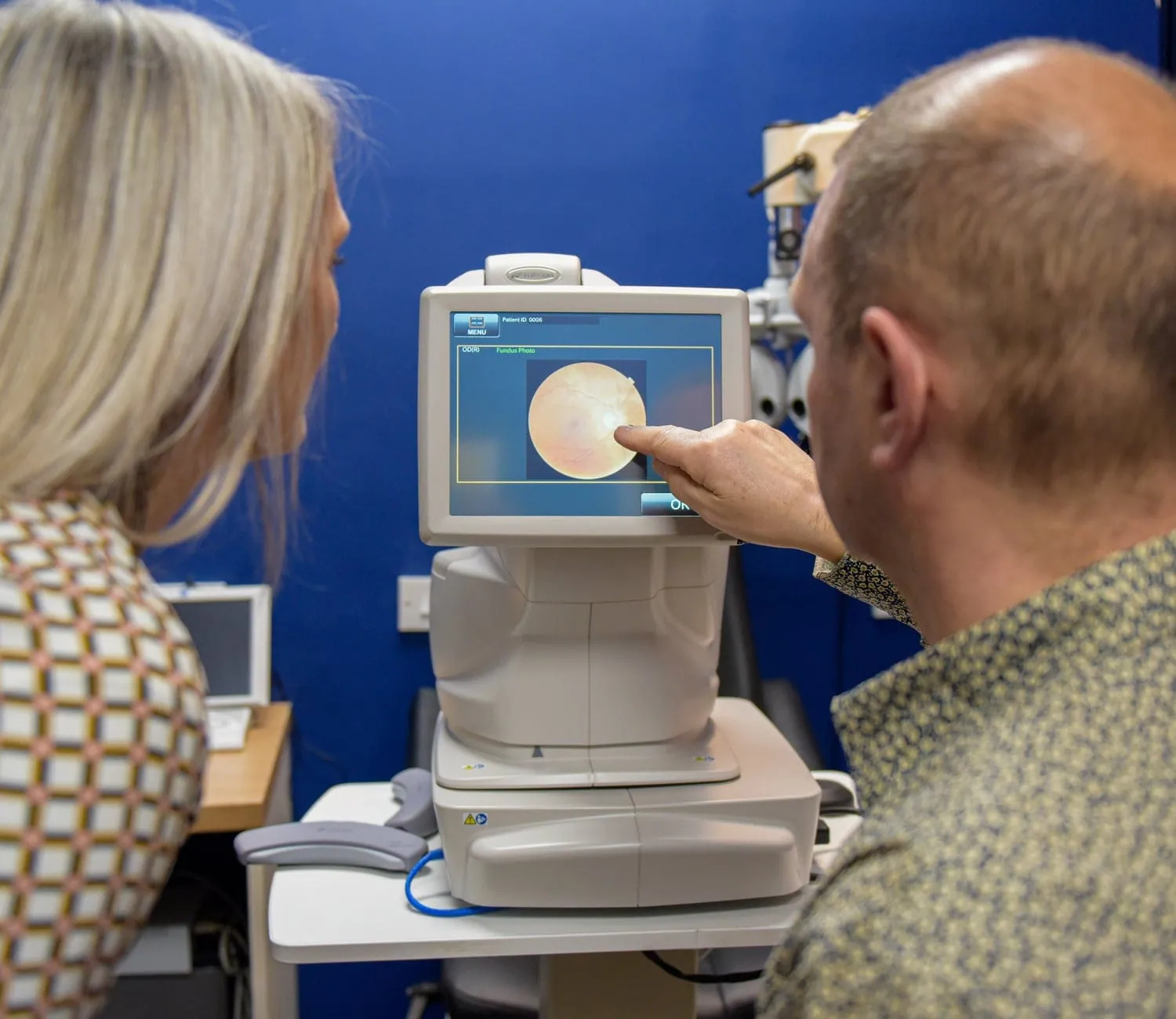
Rather than a quick glance, a dry-eye assessment is a proper look at how your tears are behaving. We talk through your symptoms, your lifestyle and any contributing factors, then examine the front surface of the eye, the quality and stability of your tear film, and the health of the eyelid oil glands. From there we can explain what we have found in plain language and build a personalised plan for lasting comfort — which might be as simple as a change in routine, or a structured approach to the eyelids and tear film.
When to seek urgent advice
Dry, watery eyes are usually uncomfortable rather than dangerous. But some symptoms need prompt attention rather than watchful waiting. Please seek urgent advice — from your GP, NHS 111, or an eye casualty department — if you experience:
- Sudden or severe eye pain
- Marked redness, particularly in one eye
- Significant sensitivity to light
- Any injury to the eye
- A sudden change in your vision
And if any chemical or cleaning product splashes into your eye, rinse it immediately with plenty of clean water for at least 15 minutes and seek emergency medical help. When in doubt, it is always better to ask.
Watery eyes that also feel dry are common, treatable and rarely serious — and understanding the cause is the first, most reassuring step towards lasting comfort.← Back to the Journal