Dry eye and eye allergies can feel remarkably alike — both leave your eyes irritated, watery and uncomfortable — so it is genuinely hard to tell them apart from symptoms alone. To complicate things further, you can have both at once. There are some useful clues that point one way or the other, but the only reliable way to know is to have your eyes looked at properly.
The symptoms they share
The reason people mix these up is that they overlap so much. Both dry eye and allergies can cause redness, watering, a burning or irritated feeling, general discomfort and a sense that something is not right with your eyes. On the surface they can look almost identical, which is why guessing — and treating the wrong thing — is so easy to do.
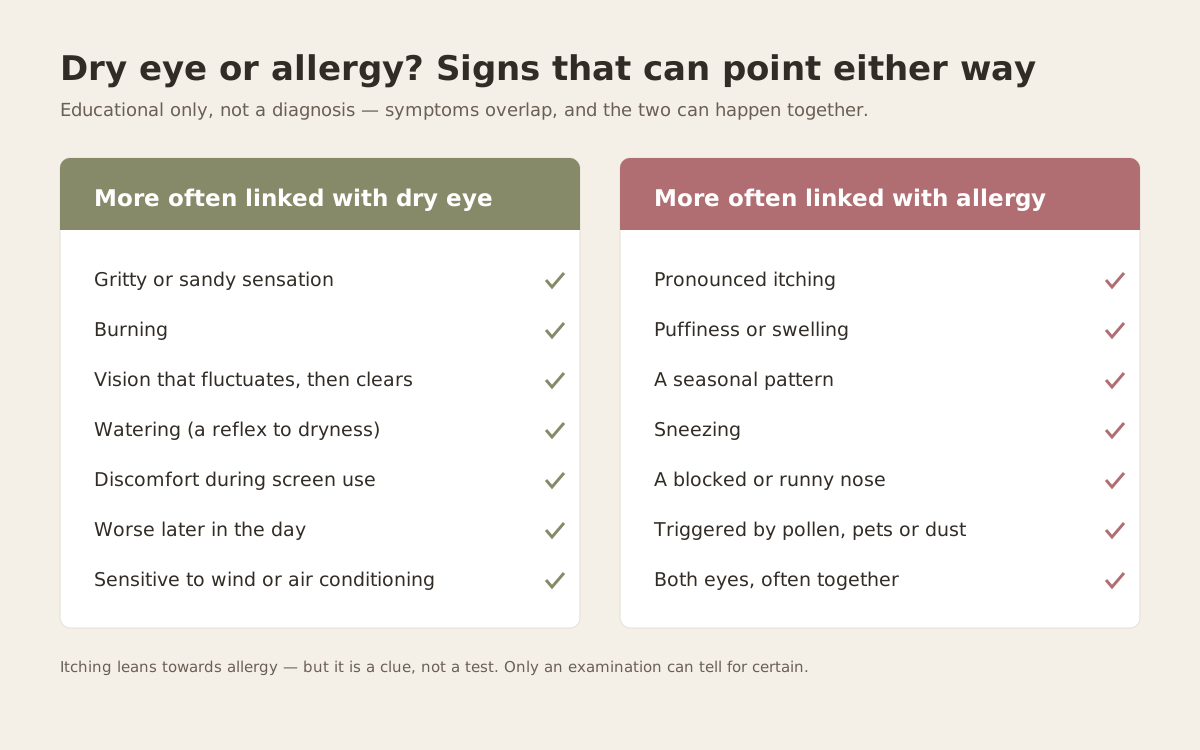
Symptoms more commonly linked with dry eye
Dry eye tends to have a particular character. You might notice:
- A gritty or sandy sensation, as though something is in the eye
- Burning
- Vision that fluctuates or blurs, then clears when you blink
- Watering — the eyes can flood as a reflex to being dry
- Discomfort during screen use, when we blink less
- Symptoms that get worse later in the day
- Sensitivity to wind or air conditioning
Symptoms more commonly linked with allergies
Allergy has a slightly different signature, often tied to something you have been exposed to:
- Pronounced itching — often the standout feature
- Puffiness or swelling around the eyes
- A seasonal pattern, such as flaring in spring or summer
- Sneezing
- A blocked or runny nose alongside the eye symptoms
- A clear link to pollen, pets or dust
Itching is the most helpful clue: it leans more towards allergy than dry eye. But it is only a clue, not a test — dry, irritated eyes can itch too, so itching alone does not confirm allergy. That is why symptoms on their own rarely give a definite answer.
Can you have both at once?
Yes — and it is common. Allergy can inflame the surface of the eye and disturb the tear film, which can trigger or worsen dry eye; and a dry, compromised surface can feel more reactive to allergens. So the two often feed into each other, and treating only one may leave you still uncomfortable. Untangling that is exactly the kind of thing an assessment is designed to do.
Please try not to rub
Whichever it is, rubbing makes things worse. It releases more of the chemicals that drive allergic itching, irritates an already sensitive surface, and can inflame the eyelids further — so the relief never lasts and the cycle continues. If your eyes are itchy or watery, a cool compress is far kinder than rubbing.
Simple steps that may help in the meantime
None of these will diagnose the cause, but they are low-risk and may ease things while you arrange advice:
- A cool compress over closed eyes can soothe itching and puffiness
- For dryness, a warm compress and preservative-free artificial tears from a pharmacy may help
- If you suspect allergy, try to reduce exposure — keep windows shut on high-pollen days, and rinse pollen off your face and hands
- Take regular screen breaks and blink fully
- Avoid rubbing, and keep the eyelids gently clean
When to arrange an assessment
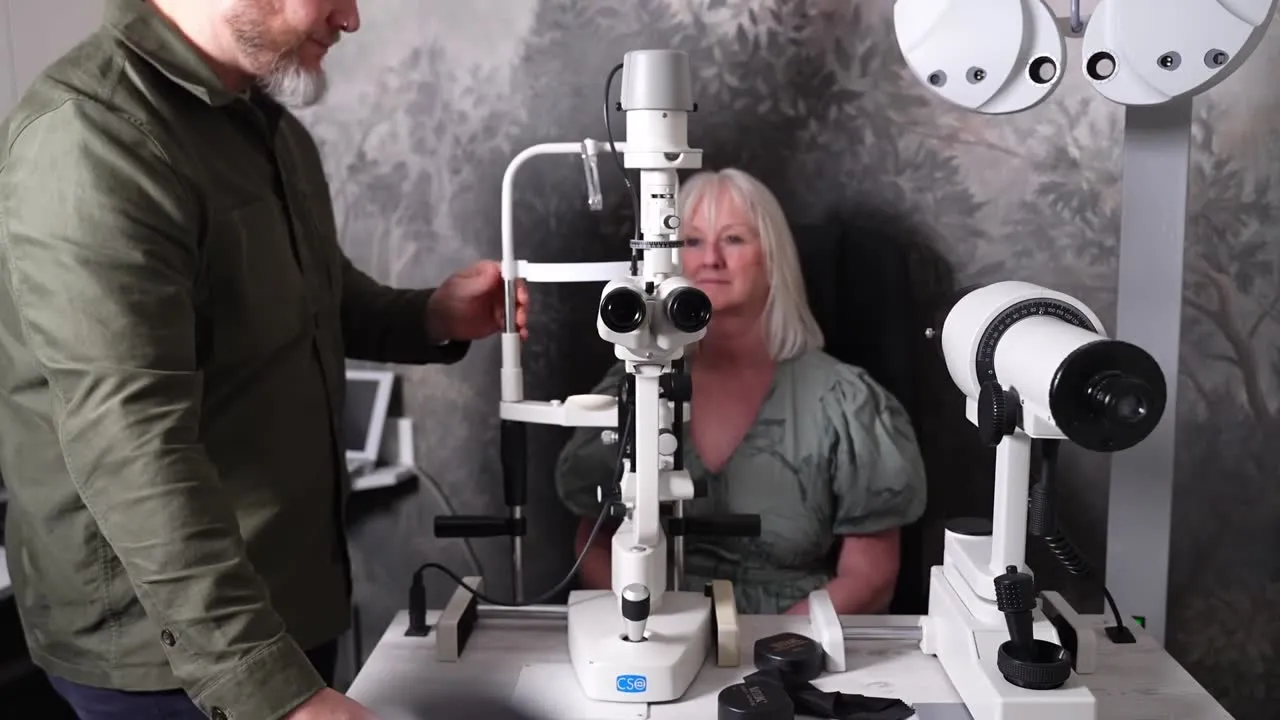
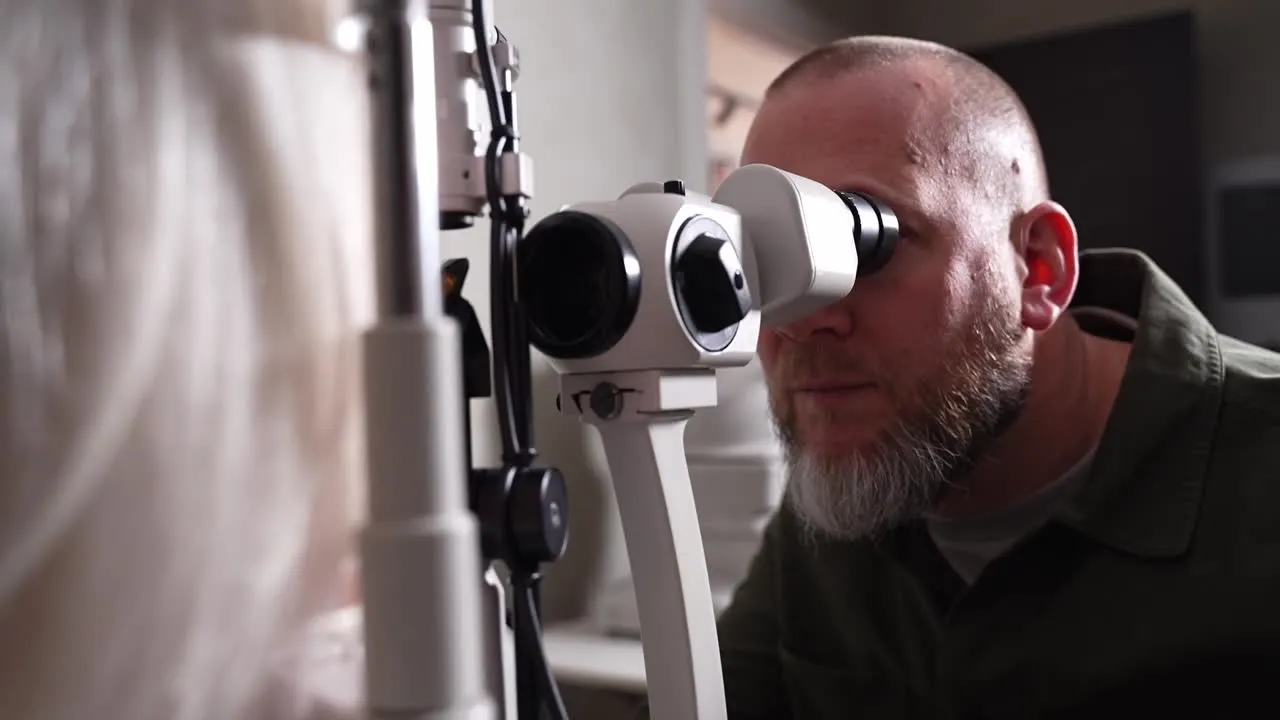
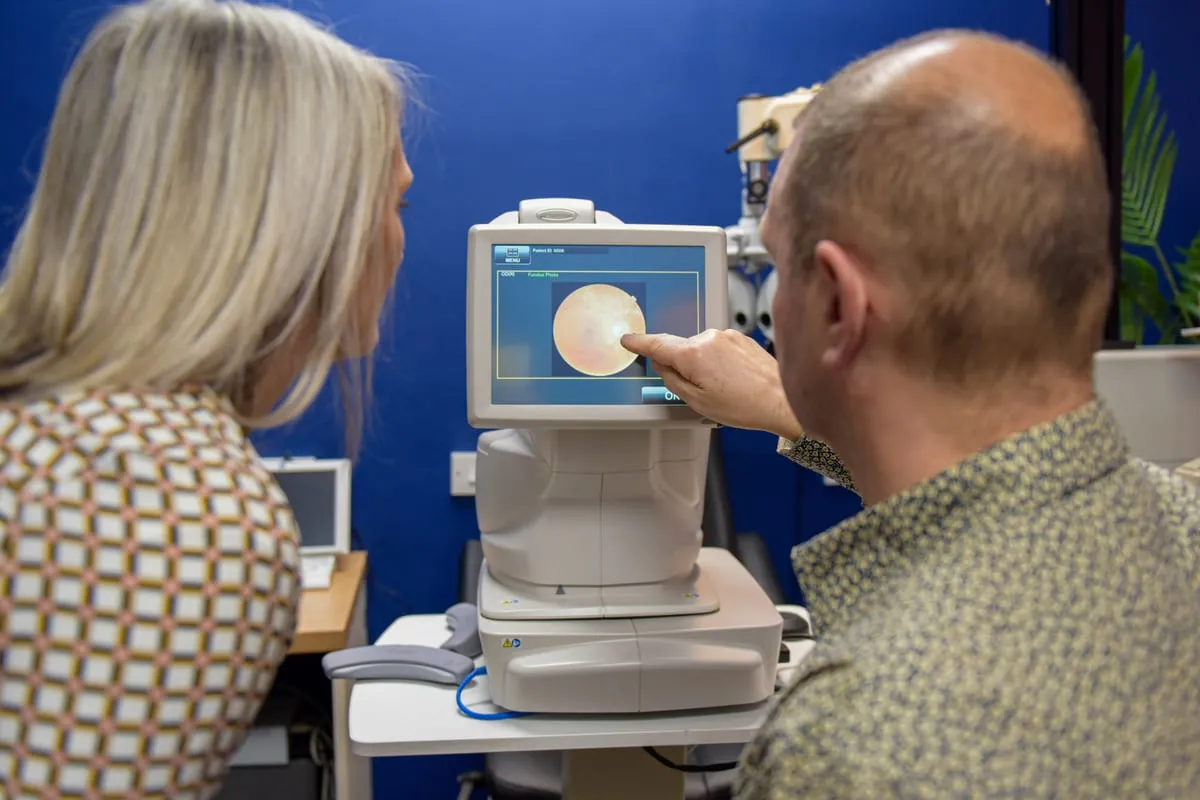
If your symptoms keep coming back, do not settle within a week or two, or interfere with screens, reading or daily comfort, it is worth having them looked at rather than guessing. A visit to our Dry Eye Clinic — or a routine eye examination — lets us examine the surface of the eye and the tear film, work out what is actually going on (including whether allergy is playing a part), and build advice around the real cause.
When to seek urgent advice
Itchy or gritty eyes are usually uncomfortable rather than serious. But some symptoms need prompt attention — please seek urgent advice from your GP, NHS 111 or an eye casualty department if you have:
- Significant eye pain
- Marked sensitivity to light
- A sudden change in your vision
- Any injury to the eye
- Thick discharge from the eye
- Severe swelling
- Symptoms that unexpectedly affect only one eye
Dry eye and allergy can look almost identical — and can happen together. A proper look is the quickest way to stop guessing and get the right relief.← Back to the Journal