If your eyes have become dry, gritty, burning or unexpectedly watery around perimenopause or menopause, you are not imagining the connection. The hormonal changes of this stage of life can genuinely affect your eyes — altering the tear film, the oil-producing glands in your eyelids, the surface of the eye and how comfortable contact lenses feel. It is one of the most under-discussed symptoms of menopause, and one of the most manageable once it is understood.
Why menopause can affect your eyes
Your tear film and the glands that maintain it are sensitive to hormones. As oestrogen and other hormone levels shift through perimenopause and menopause, the balance of your tears can change — they may be produced in smaller quantities, or the important oily layer that stops them evaporating can become thinner and less stable. The result is a surface that dries out more easily and feels irritated more often. It is a real, physical change, not simply “getting older”.
That said, menopause is rarely the whole story. Dry-eye symptoms almost always have several contributing factors at once, so it is worth looking at the full picture rather than assuming hormones are the only cause.
Common symptoms to recognise
Dry eye linked to hormonal change can show up in more ways than simple dryness. You might notice:
- A gritty or sandy feeling, as though there is something in the eye
- Burning or stinging
- Watering — the eyes can flood as a reflex response to dryness
- Redness
- Vision that fluctuates or blurs, then clears when you blink
- Contact lenses that feel less comfortable than they used to
- Sensitivity to wind, and discomfort outdoors
- Tired, uncomfortable eyes during screen use
- Symptoms that are noticeably worse in heated or air-conditioned rooms
If your eyes water as much as they feel dry, that is a very common combination — our companion piece on why dry eyes can water explains exactly why it happens.
What happens to the tear film and eyelid glands
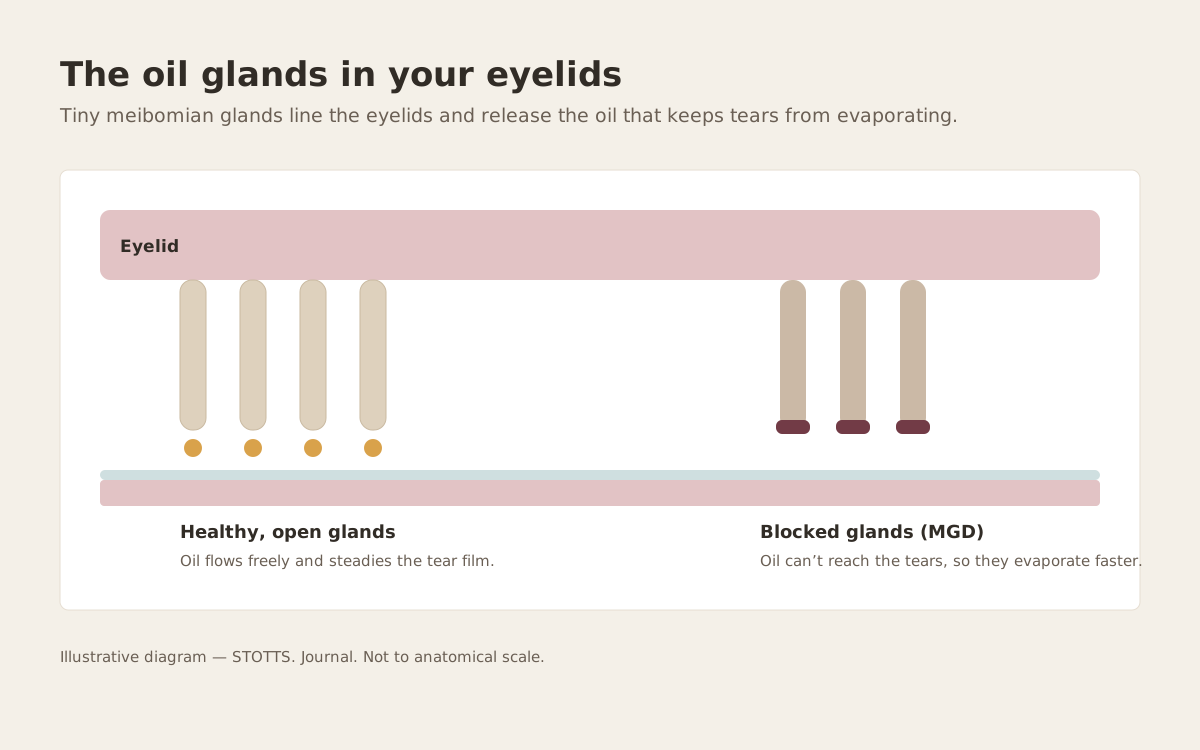
Along the edge of your eyelids sit dozens of tiny oil glands called meibomian glands. Every time you blink, they release a thin layer of oil that floats on top of your tears and stops them evaporating too quickly. When these glands become sluggish or blocked — something hormonal change can encourage — the oily layer thins, tears evaporate faster, and the surface dries out between blinks. This is known as meibomian gland dysfunction, and it is one of the most common reasons eyes feel dry yet also water.
Other things that may be adding to it
Because dry eye is usually multi-factorial, several everyday factors can stack on top of any hormonal change:
- Poor or broken sleep
- Long hours of screen use, when we blink far less
- Some medications, which can reduce tear production
- Dehydration
- Contact-lens wear
- Central heating and air conditioning
- Windy or cold conditions
- Blepharitis — inflammation along the lid margins
Why simply using more eye drops may not be enough
Artificial tears can be genuinely soothing, and preservative-free drops are kind to the eyes for regular use. But drops mostly top up the watery part of your tears for a short while — they do not restore the oily layer or unblock the eyelid glands. If the underlying problem is an unstable tear film or gland dysfunction, adding more drops treats the symptom while the cause carries on. That is why people often find themselves using drops more and more with less and less benefit.
Practical steps that may help
These low-risk measures will not diagnose the cause, but they are a sensible place to start:
- A warm compress over closed lids for a few minutes daily can soften the eyelid oils and help the glands flow
- Gentle, regular lid hygiene keeps the lid margins clean
- Blink fully and take regular breaks during screen work
- Add humidity to dry rooms, and avoid sitting directly under vents, fans or car heaters
- Stay well hydrated and prioritise sleep where you can
- Preservative-free artificial tears from a pharmacy can ease the surface between other measures
What a dry-eye assessment looks for
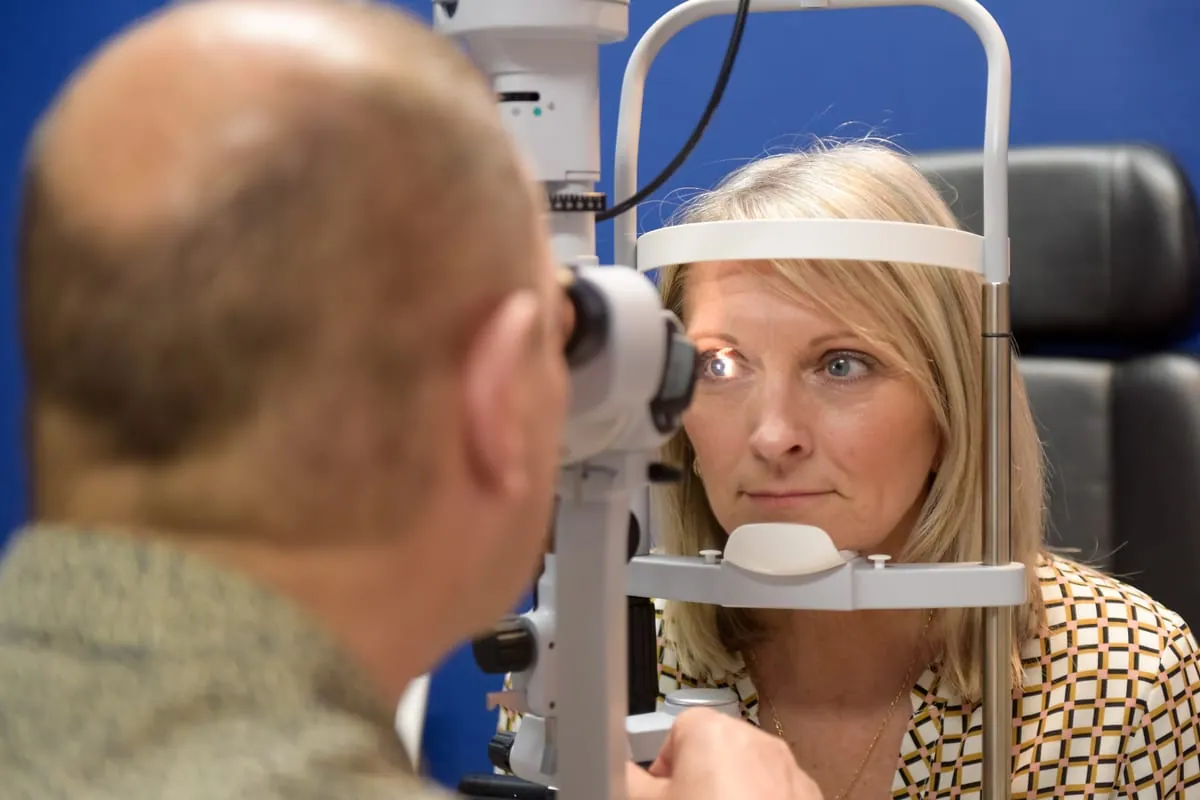
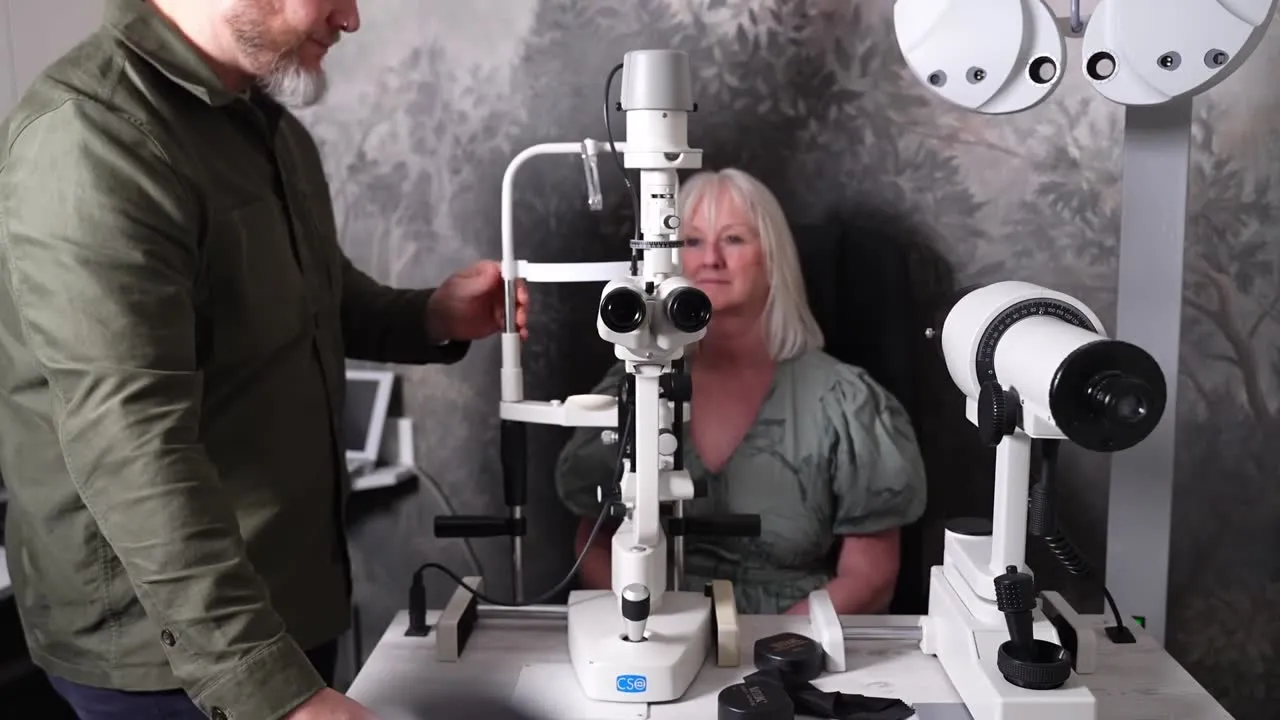
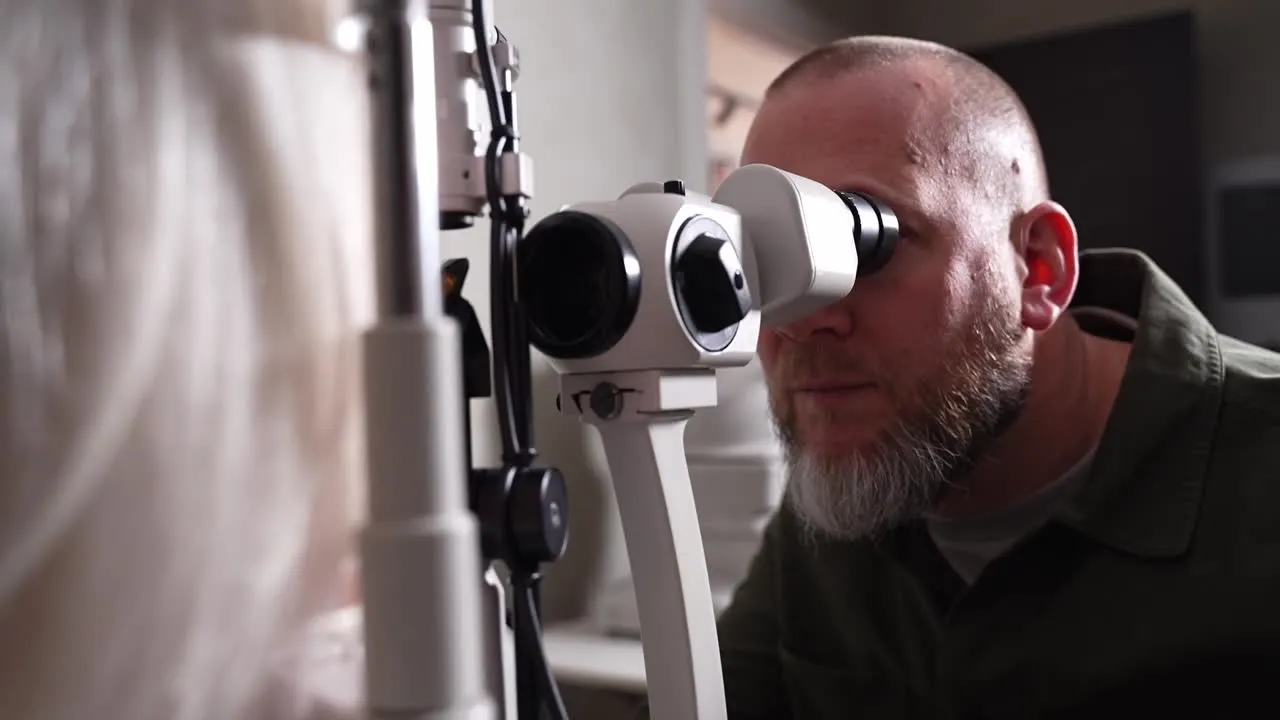
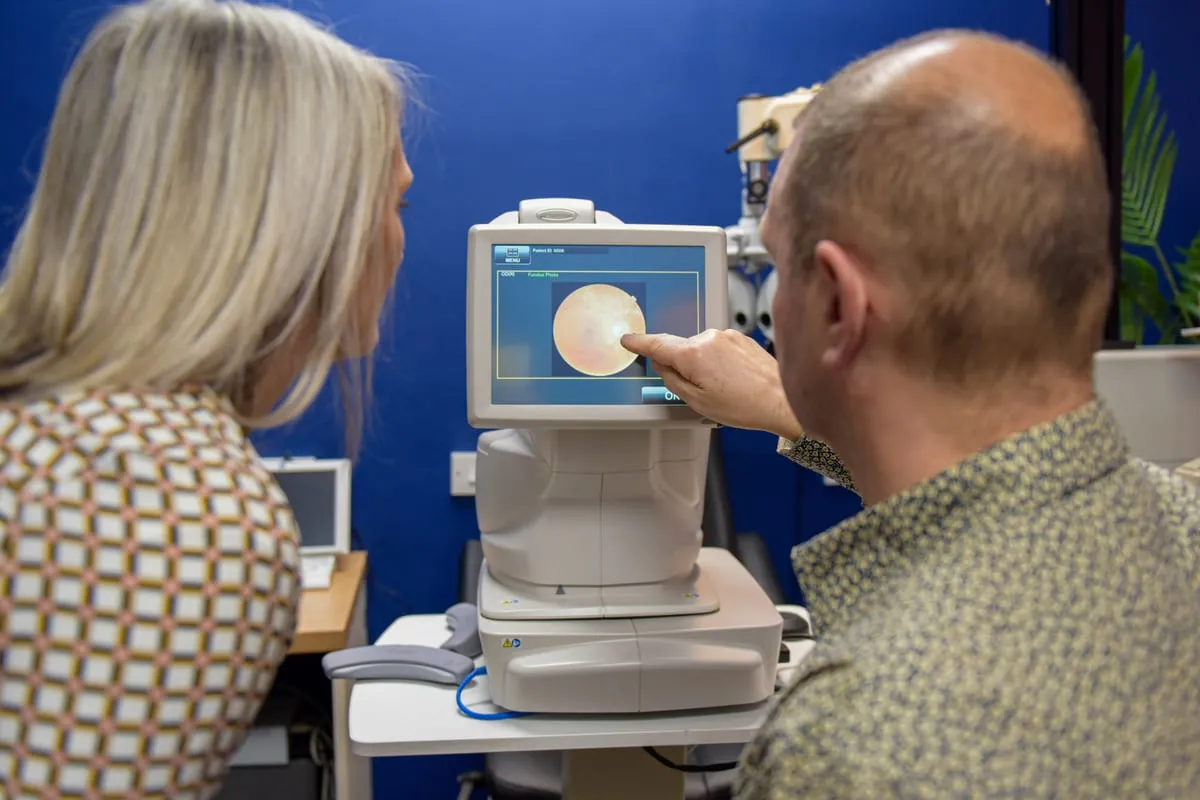
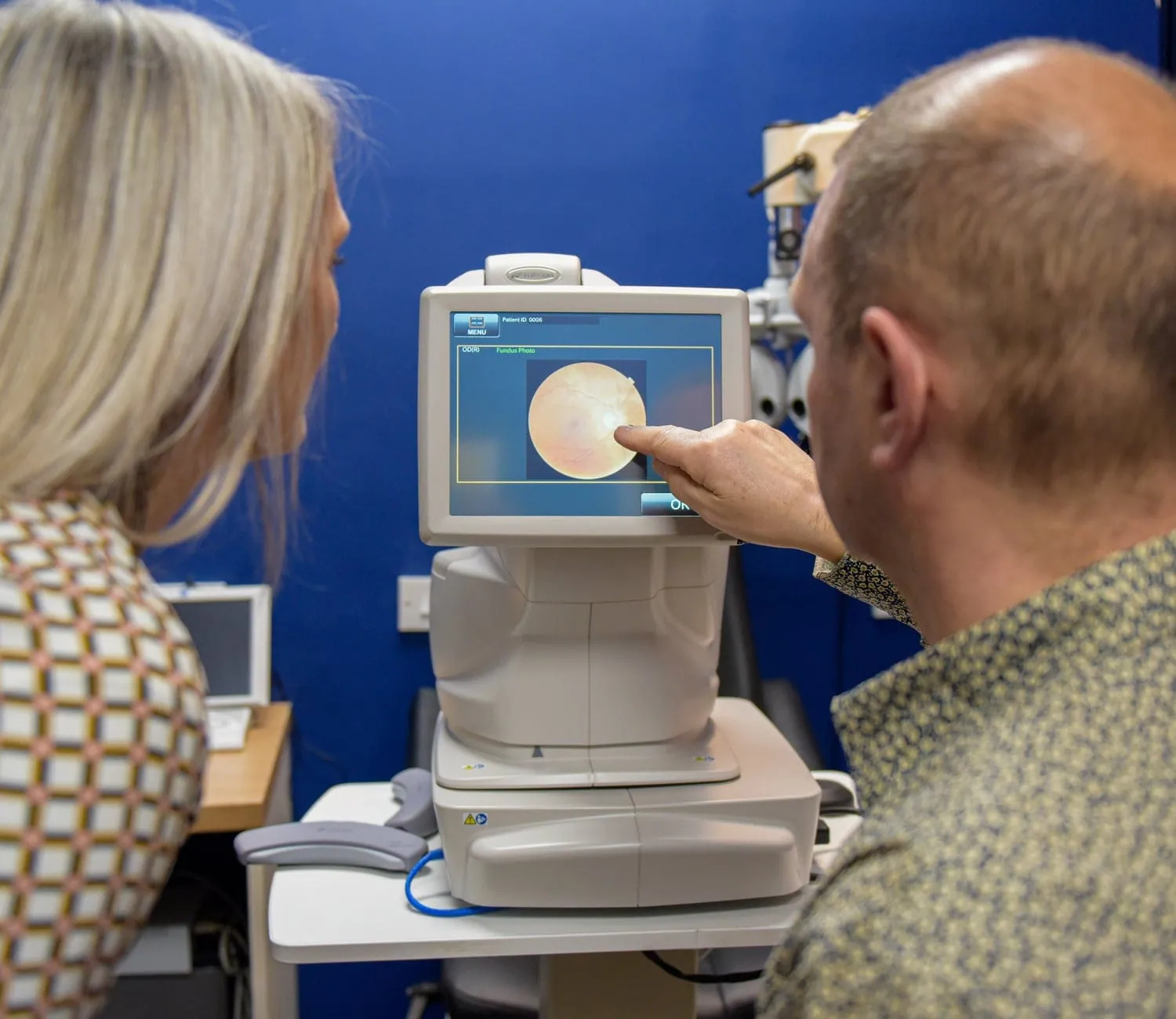
At our Dry Eye Clinic, we take the time to understand what is actually driving your symptoms. We talk through your history, your lifestyle and any hormonal changes, then assess the surface of the eye, the quality and stability of your tear film, and the health of the eyelid oil glands. From there we can explain what we have found and build a personalised plan aimed at the cause — which is far more likely to bring lasting comfort than reaching for drops alone. If you also wear contacts, we can review your lens comfort at the same time.
When to seek urgent advice
Dry-eye symptoms are usually uncomfortable rather than serious. But please seek urgent advice — from your GP, NHS 111 or an eye casualty department — if you experience any of the following:
- Sudden loss of vision
- Marked or severe eye pain
- Significant redness
- Strong sensitivity to light
- Any injury to the eye
- A sudden onset of severe symptoms
Dry eyes through menopause are common and very manageable. Understanding why they happen — and treating the cause rather than just the symptom — usually makes all the difference.← Back to the Journal