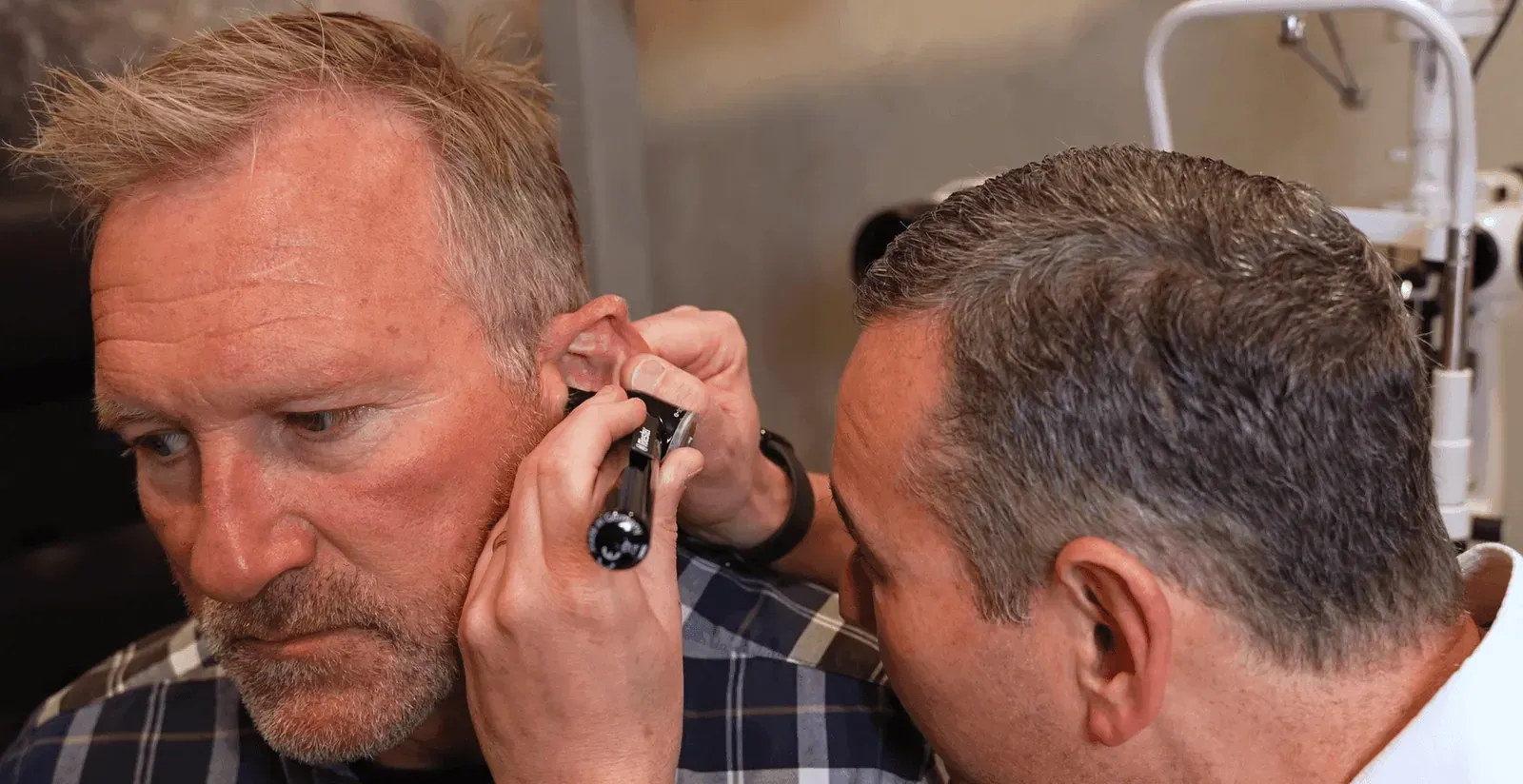

Private hearing-aid prices vary widely, mostly because of the level of technology and — just as importantly — what is included alongside the device. At STOTTS., hearing aids start from £985 per aid, inclusive of aftercare and a 5-year warranty, following a complimentary hearing assessment. The honest headline is this: you are not just buying a small piece of technology, you are paying for the assessment, the fitting, and the ongoing care that makes it work for you.
What a private hearing-aid price usually includes
The device itself is only the visible part. A good private price is really a package of care that typically covers much more:
- The hearing aids themselves
- A full hearing assessment
- Professional fitting and programming to your ears and hearing
- Verification of the fitting (such as real-ear measurement, where a provider offers it)
- Follow-up appointments and fine-tuning
- Ongoing servicing, maintenance and repairs
- A warranty
- Adjustments as your hearing or lifestyle changes
- Ear care
- Loan or backup devices, where a provider genuinely includes them
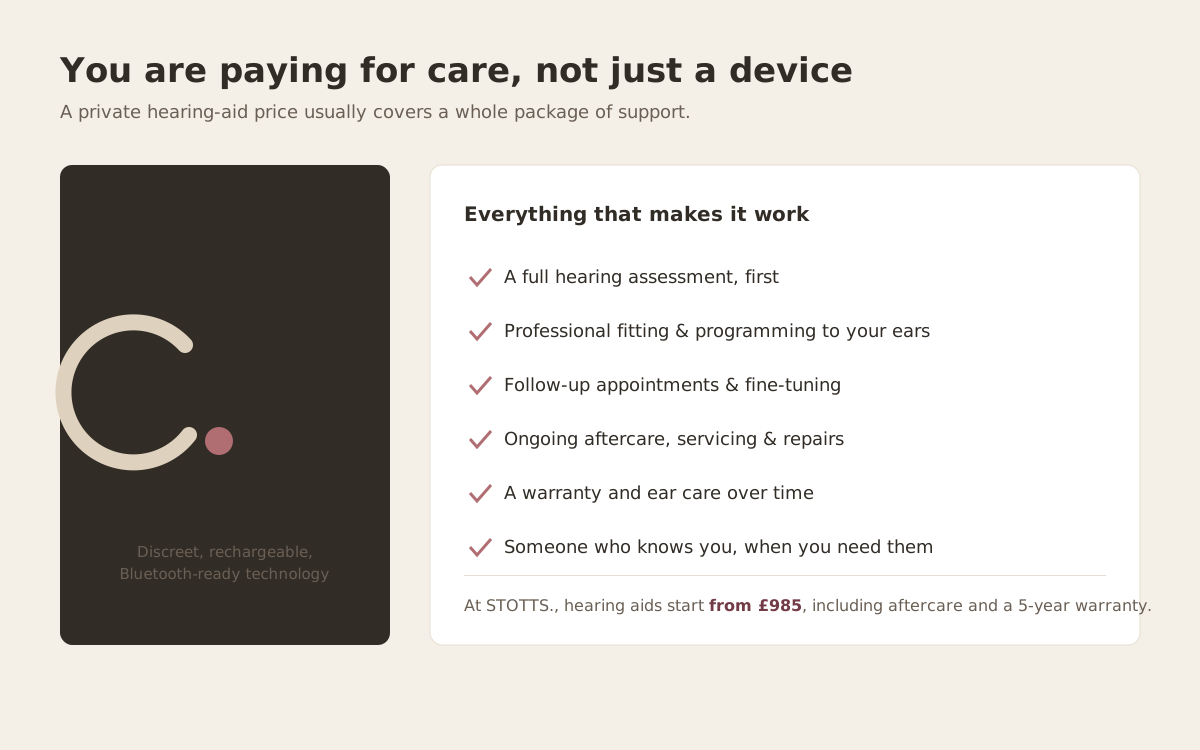
It is worth checking exactly which of these a quote includes — not every provider bundles the same things, and that is often where two “similar” prices really differ.
What affects the price
Several things move the price up or down:
- Technology level — how well the device handles complex, changing sound
- Rechargeable or disposable batteries
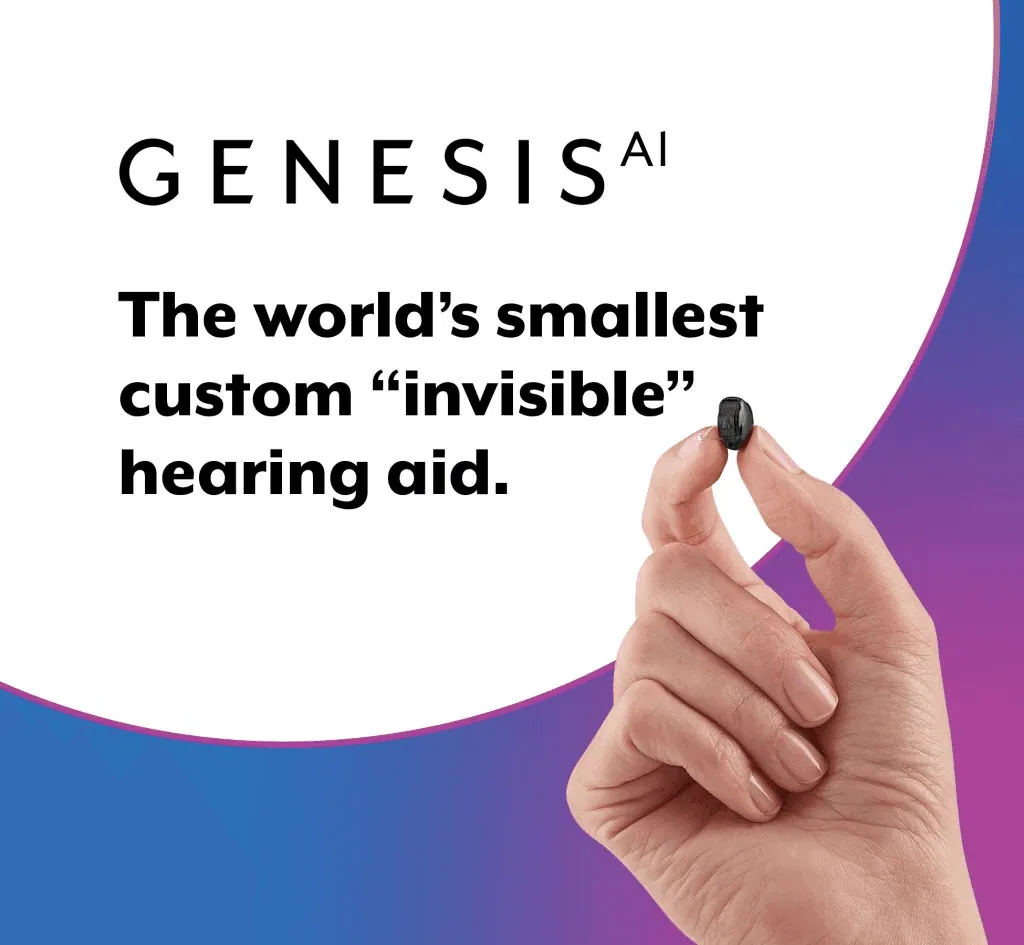
- Style and size — from behind-the-ear to nearly invisible in-canal devices
- Bluetooth connectivity for phone, TV and streaming
- Performance in background noise — usually the biggest real-world difference
- Tinnitus features, if you need them
- One hearing aid or two
- The length and quality of aftercare
- Warranty terms
The AI-driven devices we fit, including technology from Starkey, adapt automatically as you move between a quiet room and a busy restaurant — and that kind of real-world performance is where higher technology levels earn their place.
One hearing aid or two?
If both ears would benefit, two hearing aids usually give a more natural, balanced result — they help you tell where sound is coming from and make following speech in noise considerably easier. That said, some people genuinely only need one, and it would be wrong to fit two for the sake of it. This is exactly the kind of thing a proper assessment answers honestly, rather than a default upsell.
NHS versus private hearing care
The NHS provides good-quality hearing aids free of charge, and for many people they work very well — it is a genuinely valuable service and we would never talk anyone out of it. Private care is not automatically superior; it simply offers more choice. What you tend to gain privately is a wider range of devices and styles, smaller and more discreet options, more time at each appointment, the latest technology, and more extensive, personal aftercare over the years. Whether that is worth it depends entirely on your hearing, your lifestyle and what matters to you.
What a cheaper quote may leave out
A lower initial price can be a fair deal — or it can mean less is included. Hearing aids are not a one-off purchase; they need fitting well, fine-tuning, and looking after for years. If a cheaper quote comes with limited follow-up, a shorter warranty, or little aftercare, the long-term value can work out lower even though the sticker price is smaller. It is the whole package, over the life of the aids, that really counts.
How to compare quotes fairly: a checklist
When you are comparing providers, it helps to ask each the same questions:
- What technology level is this, and how does it perform in background noise?
- Is a full hearing assessment included?
- Are the fitting, programming and any verification included?
- How many follow-up appointments come with it?
- What does aftercare, servicing and repair cover, and for how long?
- How long is the warranty?
- Is it one aid or two, and why is that recommended for me?
- What happens if I am not getting on with them?
Why the assessment comes before the device
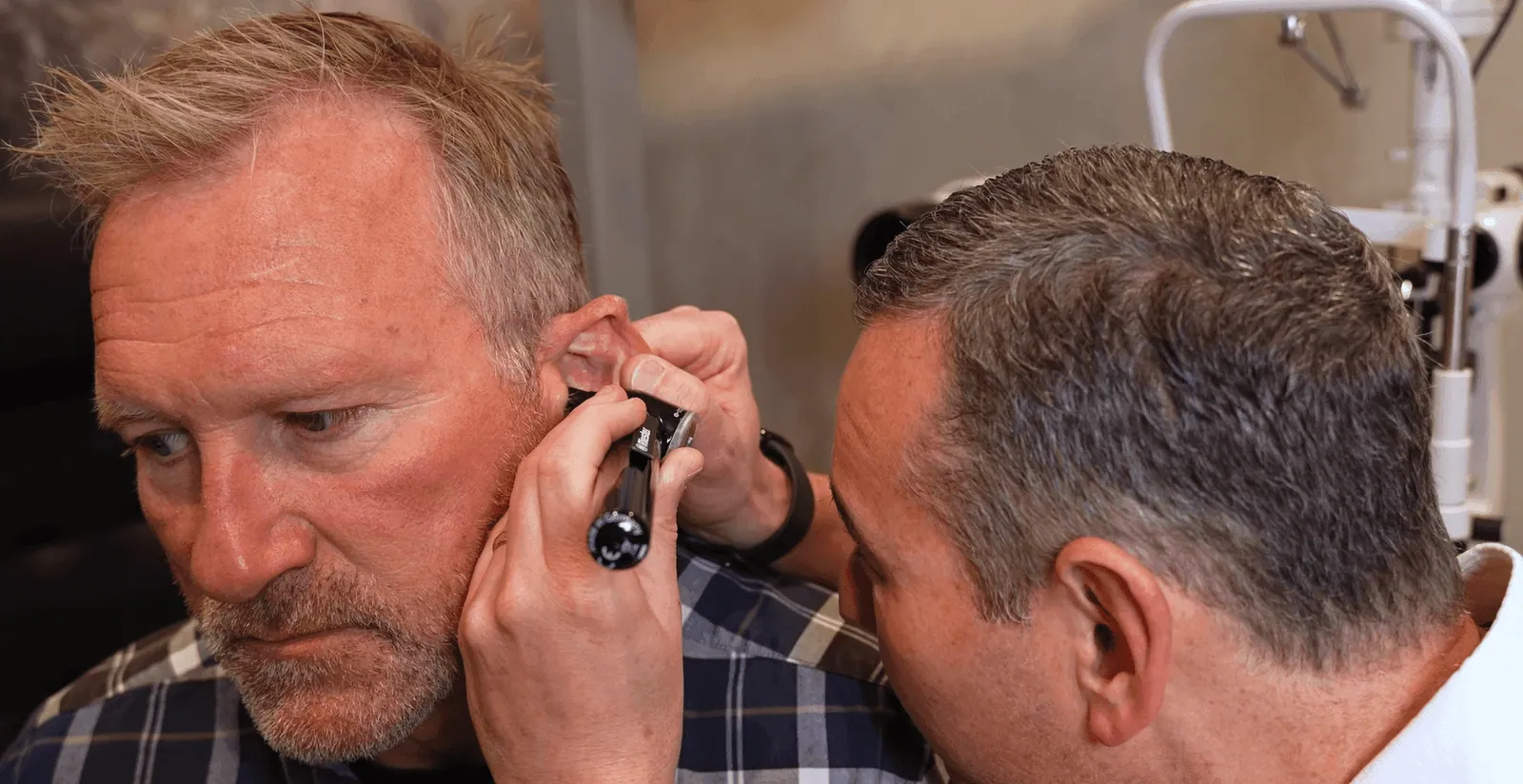
This is the most important point of all: you cannot sensibly choose a hearing aid before understanding your hearing. A full hearing assessment — which is complimentary at STOTTS. — measures not just the quietest sounds you can detect, but how well you understand speech and cope in background noise. Only then can any recommendation actually fit your ears and your life. Buying a device online, without that step, is guessing.
What STOTTS. includes
For clarity: our hearing aids start from £985 per aid, inclusive of aftercare and a 5-year warranty, with a range of options to suit your lifestyle and technology preferences. Your hearing assessment beforehand is free of charge. As an independent practice, we recommend what is genuinely right for you — not what we are told to sell. If you would like continuous support over time, our hearing care plans and membership are worth a look too.
Start with your hearing, not with a hearing aid. Understand what you actually need first, and the right choice — and the fair price for it — becomes far clearer.← Back to the Journal