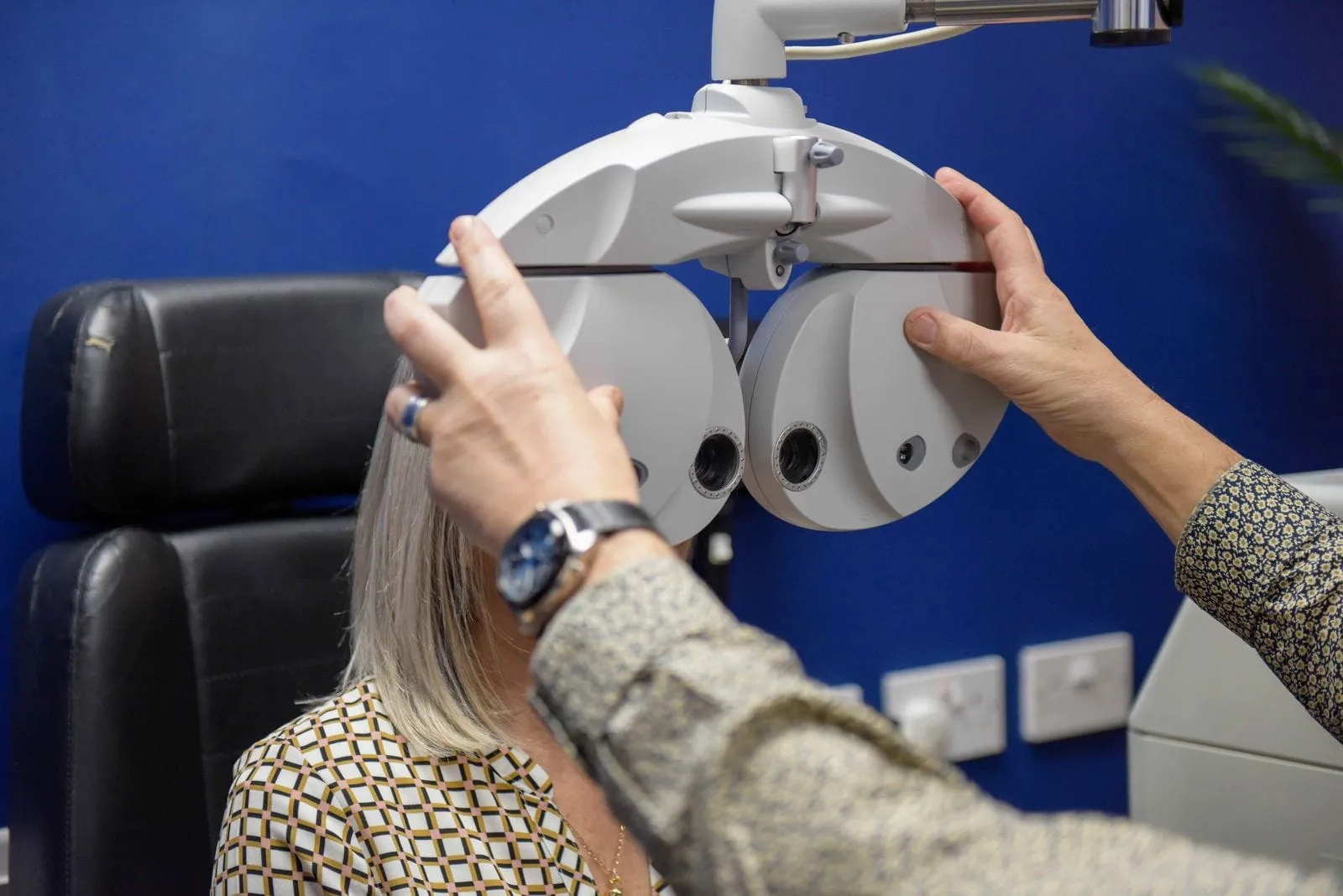

The honest answer is that a varifocal’s price reflects far more than a badge on the case. It comes down to how the lens is designed, how precisely it is personalised to you, how carefully it is measured and fitted, and the aftercare that comes with it. Two lenses can look identical in the frame and perform very differently on your face — and that difference is what you are really paying for.
What a varifocal lens actually has to do
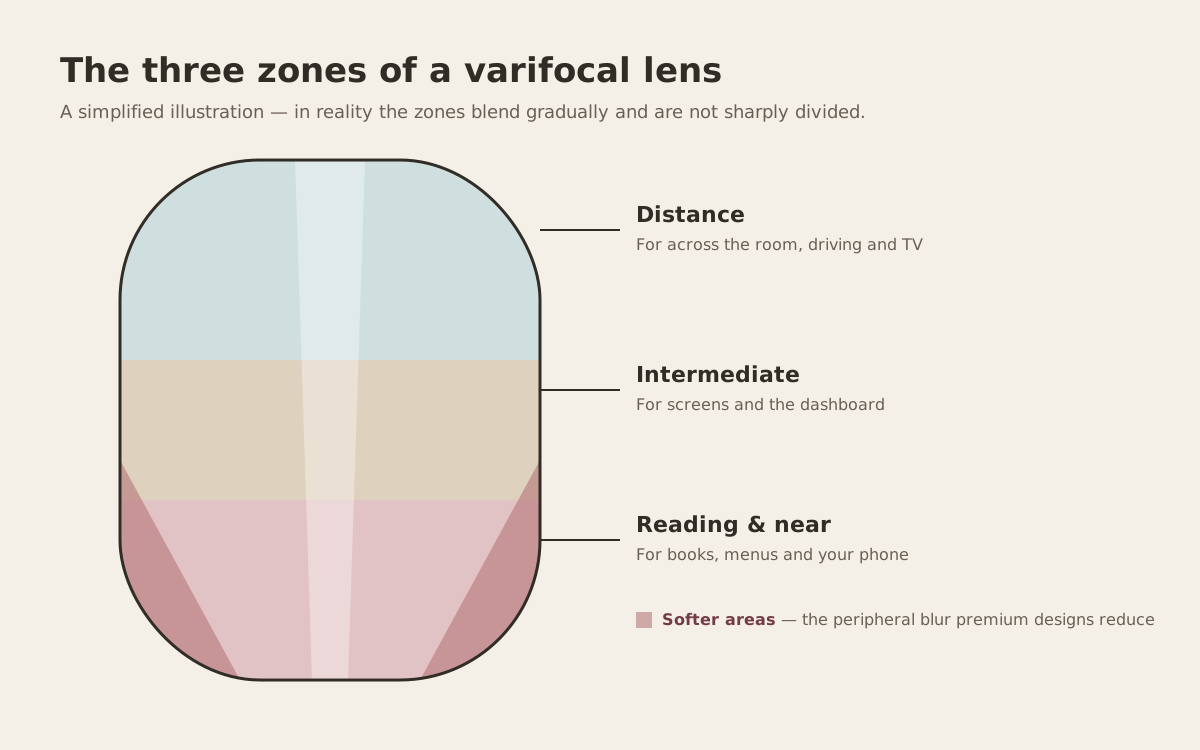
A single-vision lens has one job: one prescription, one focus. A varifocal has to do three things at once, blended smoothly into one lens with no visible line. It must give you clear distance vision for driving and across a room, a comfortable intermediate zone for screens and the car dashboard, and a settled near zone for reading, menus and your phone — with a gradual transition between them. Fitting all of that into one lens is a genuine feat of engineering, and how well it is done is exactly where lenses differ.
Where the price difference actually comes from
Very little of the cost is the physical plastic. Most of it is design, precision and support. The main factors are:
- Lens design — how sophisticated the underlying optics are
- The width of the useful viewing areas — more advanced designs give wider clear zones to look through
- How peripheral distortion is managed — better designs reduce the soft edges
- Prescription complexity — stronger or more unusual prescriptions ask more of the lens
- Frame and facial measurements — how precisely the lens is built around your eyes
- Digital personalisation — lenses calculated around your exact measurements rather than an average
- Position of wear — how the frame actually sits on your face is factored in
- Lens material and thickness — thinner, lighter materials for stronger prescriptions
- Coatings — anti-reflection, scratch-resistant and easy-clean treatments
- Fitting expertise and adaptation support — the skill that gets the lens performing on you
- Warranty and aftercare — what happens afterwards if something needs adjusting
Why two people with the same prescription need different lenses
It surprises people, but an identical prescription rarely means an identical lens. How you use your eyes, the frame you have chosen, the shape of your face and where the lenses sit all change what will work best. Someone who spends the day moving between a screen, a phone and colleagues needs a very different balance from someone who mostly reads in a chair. The prescription is the starting point; the right lens is built around the person.

A fair word on peripheral blur
Every varifocal has some softer areas towards the lower edges — it is a physical consequence of blending three prescriptions into one lens, and it is completely normal. Most people stop noticing it within days once they get used to pointing their nose at what they want to see. Better lens designs simply make those soft areas smaller and push them further out of your everyday line of sight, so there is more clear lens to look through. It is a difference of degree, not a fault to be feared.
How lens designs differ
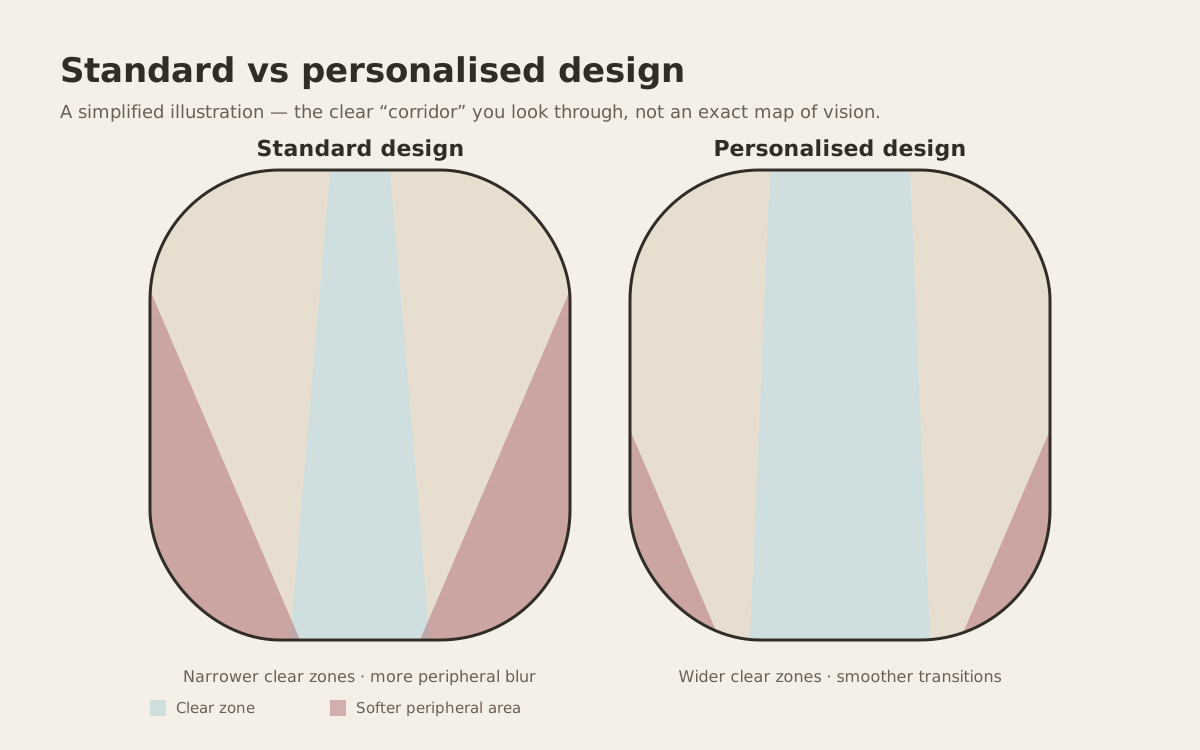
A more standard varifocal is designed to an average. A personalised design — such as the Nikon Lenswear lenses we work with — is calculated around your individual measurements, frame and how you hold your head, giving wider clear zones and smoother transitions. That is often why a personalised lens feels more natural straight away and is easier to live with all day.
Why the frame and the measurements matter so much

This is the part cheap offers most often skip. A varifocal only works if each zone sits precisely where your eyes naturally fall — which depends on the frame you choose and a set of careful measurements. A frame that is too shallow leaves too little room for the reading zone. Measurements that are rushed put the zones in the wrong place, and even a beautifully made lens will then feel wrong. Frame choice and accurate measurements are not extras; they are half the result. Our styling and dispensing team take the time to get both right.
Your lifestyle shapes the right lens

The right lens for you depends on your day. It is worth telling us about:
- How much you drive, and whether you drive at night
- Computer and desk work, and how far away your screen sits
- How much you use your phone
- Reading — books, papers, fine print
- Hobbies and close-up tasks
- Sport and anything active
- How often you move quickly between near and distance tasks
The more your day involves switching between distances, the more a wider, more personalised design tends to pay off.
Materials and coatings
Beyond the design, the lens material affects how thin, light and comfortable your glasses feel — particularly with stronger prescriptions, where higher-index materials keep the lenses slim. Coatings matter too: a good anti-reflection coating cuts glare and reflections for night driving and screens, while scratch-resistant and easy-clean treatments help your lenses stay clear for longer. These are genuine differences you will notice day to day, not just line items.
So does everyone need the most expensive varifocal?
No — and we would never say otherwise. The most expensive lens is not automatically the right one. The goal is to match the lens to the person, not to reach for a price tier. For some people a mid-range design is exactly right; for others, a personalised lens genuinely transforms their day. Our job is to explain the difference honestly and help you choose what suits your eyes, your lifestyle and your budget.
Cheap varifocal offers: what to ask
A very low headline price is not wrong in itself — but it usually means something has been left out, so it is worth asking what. Fair questions include: which lens design is it, and who makes it? What measurements are taken? Is the fitting included? What happens if I cannot get on with them? A confident provider will answer all of these happily.
How to compare quotations fairly
To compare two varifocal quotes properly, make sure you are comparing like for like. Check each one for:
- The lens manufacturer
- The lens design (standard or personalised)
- The material (and index, for thinner lenses)
- The coatings included
- The measurements taken at fitting
- The warranty
- The fitting and adaptation support
- The remake or adaptation policy if they do not feel right
Once you line those up, a cheaper quote often turns out to include less — and the more complete option is frequently better value over the life of the glasses.
The right varifocal is not the dearest or the cheapest — it is the one matched to your prescription, your frame and the way you actually live.← Back to the Journal