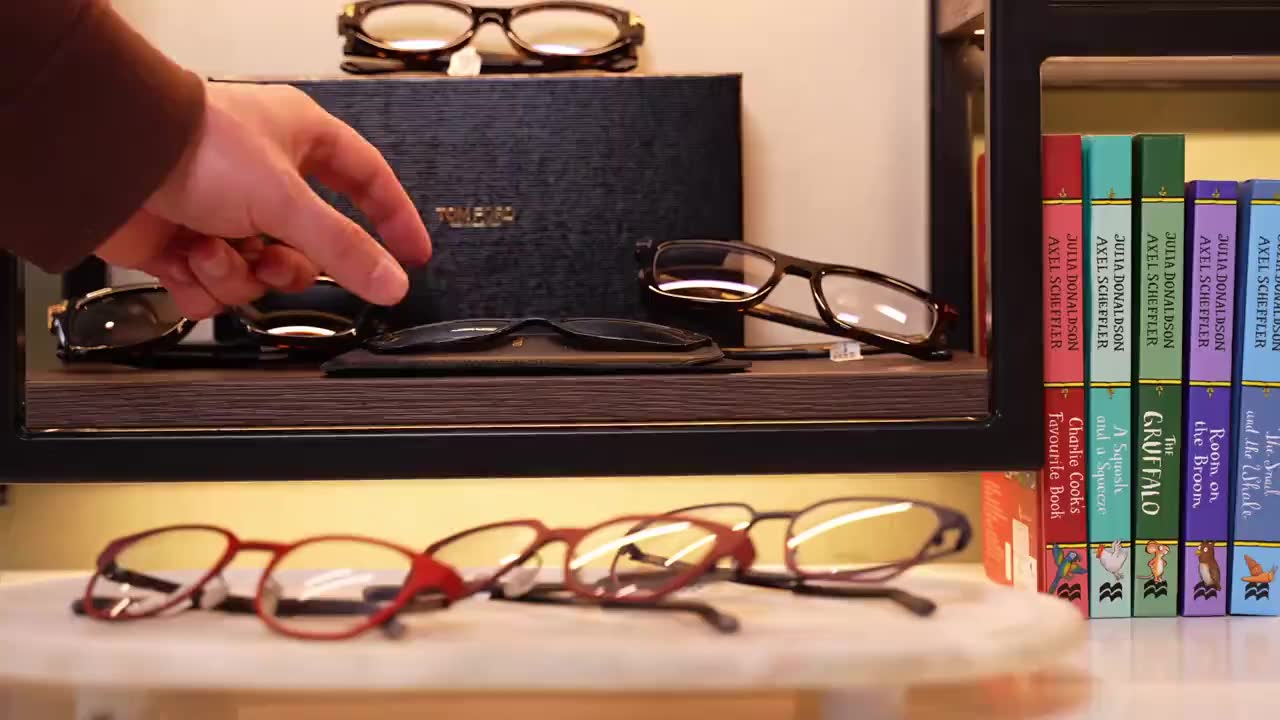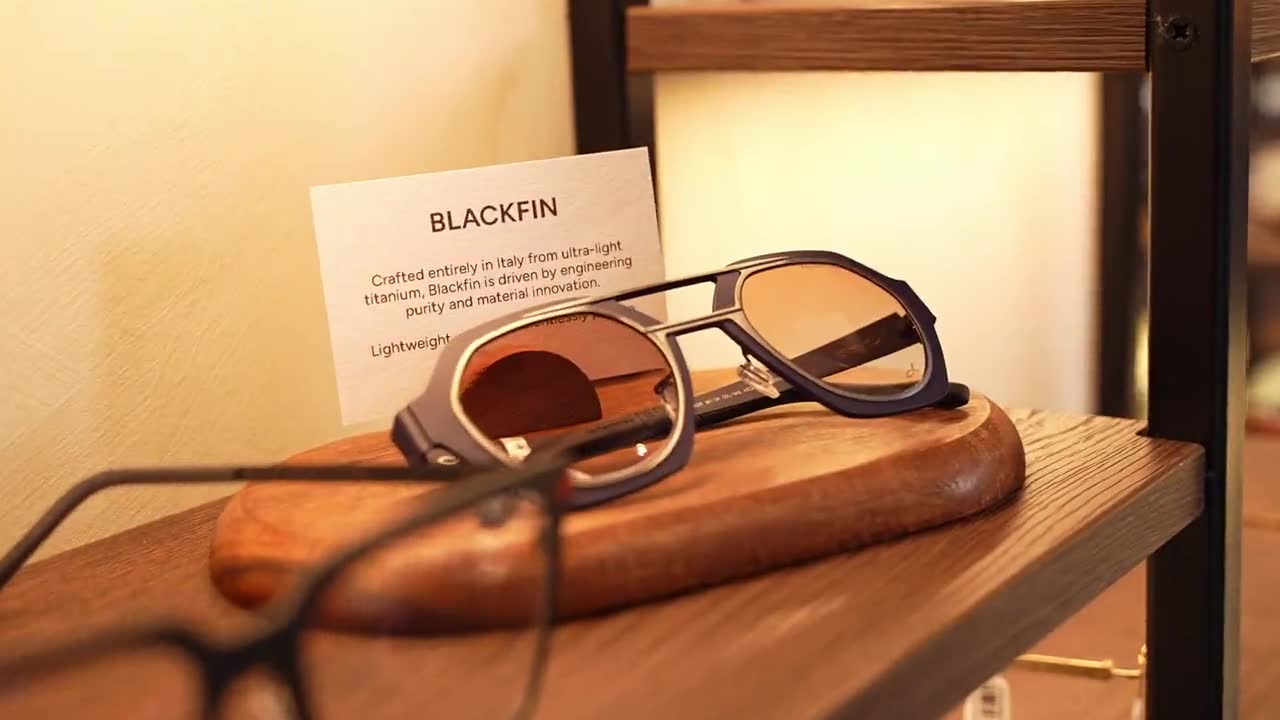
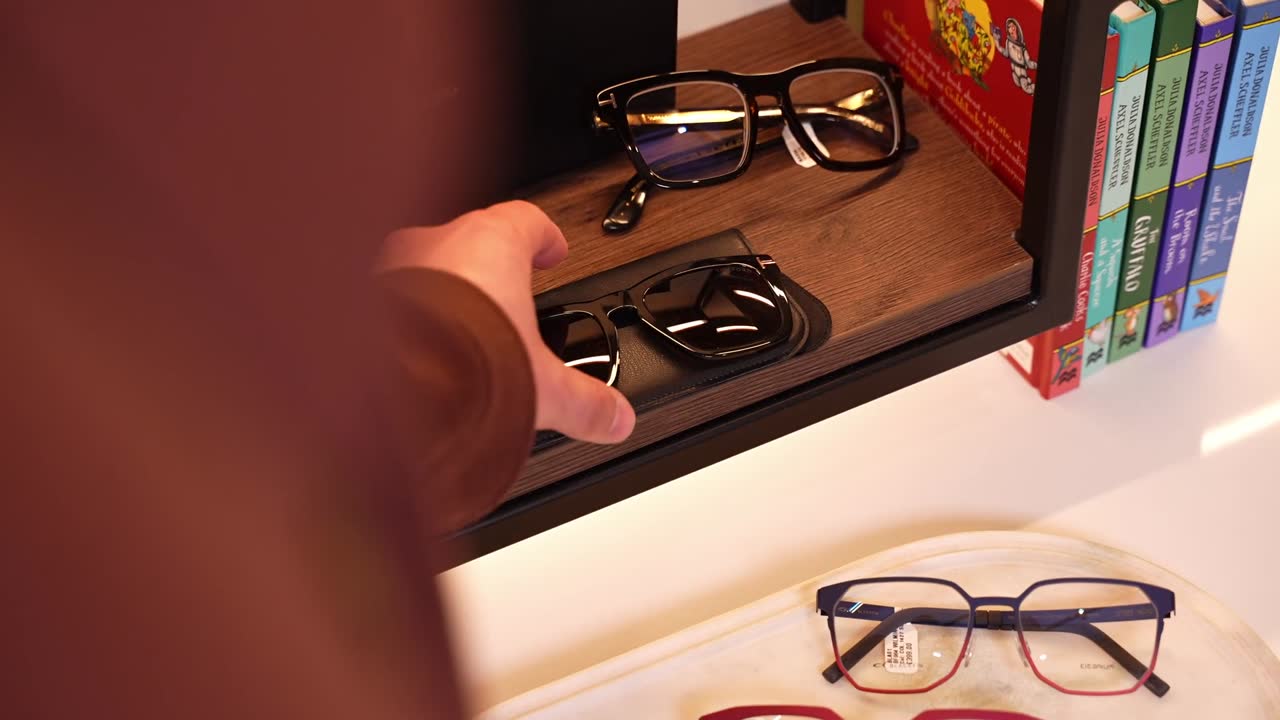
A prescription is a measurement of your eyes. A pair of glasses is an object on your face. Most of the discomfort people describe to us lives in the gap between those two things — and almost none of it means the eye test was wrong. Here is what we check, in the order we check it.
First: give it a fortnight, but not in silence
Your brain adapts to a new prescription, and a small change can feel strange for a week or two. That is normal and worth sitting with. What is not normal is persistent headache, double vision, or a floor that seems to tilt. If any of those are happening, do not wait it out — come back.
The optical centres may not be over your pupils
Every lens has an optical centre, and it needs to sit in front of your pupil. If it sits a few millimetres out — because the frame has slipped, or because the measurement was taken from a photograph rather than on your face — the lens introduces a small prism effect. You will not see it. You will feel it, usually as eye strain by late afternoon or a headache behind one eye. It is the single most common cause of a pair that is “fine, but tiring”.
The frame is sitting further from your eyes than it was measured for
The distance between the back of the lens and your eye changes the effective power of that lens. For a mild prescription it barely matters. Above about four dioptres it matters a great deal, and a frame that has worked loose and slid down your nose is quietly changing your prescription every time you put it on.
The lens design is fighting the frame
A varifocal needs vertical room. Put one in a shallow, fashionable frame and the corridor between distance and reading gets compressed, which is what people mean when they say they have to “find the sweet spot”. This is a dispensing decision, not a lens fault — and it is the reason we measure the frame you have chosen before we order anything.
Six things worth mentioning when you come back
- When it feels wrong — first thing, or after four hours at a screen
- Where you notice it — reading, driving, walking downstairs, at the supermarket
- Whether one eye or both feels like it is doing the work
- Whether you have started tilting or lifting your chin without meaning to
- Whether the old pair still feels better, and at what
- Anything that has changed in your day — a new monitor, a new job, a new car
Most of it is an adjustment, not a remake
A frame that has spread at the temples, a nose pad that has rolled, a pantoscopic tilt that has flattened — these take minutes at the bench and they are free, whether we dispensed the glasses or not. Bring them in. If the answer genuinely is the prescription, we will re-check it and say so.
Nine times in ten, a pair that “just doesn’t feel right” is a pair that has stopped sitting where it was measured to sit. That is a ten-minute job, not a new prescription.← Back to the Journal