For many people, the words "hearing aid" still conjure a beige device that whistled and sat awkwardly behind the ear. The reality today could hardly be more different — and the gap between what people imagine and what is actually available is one of the biggest reasons they wait too long.
Discreet to the point of invisible
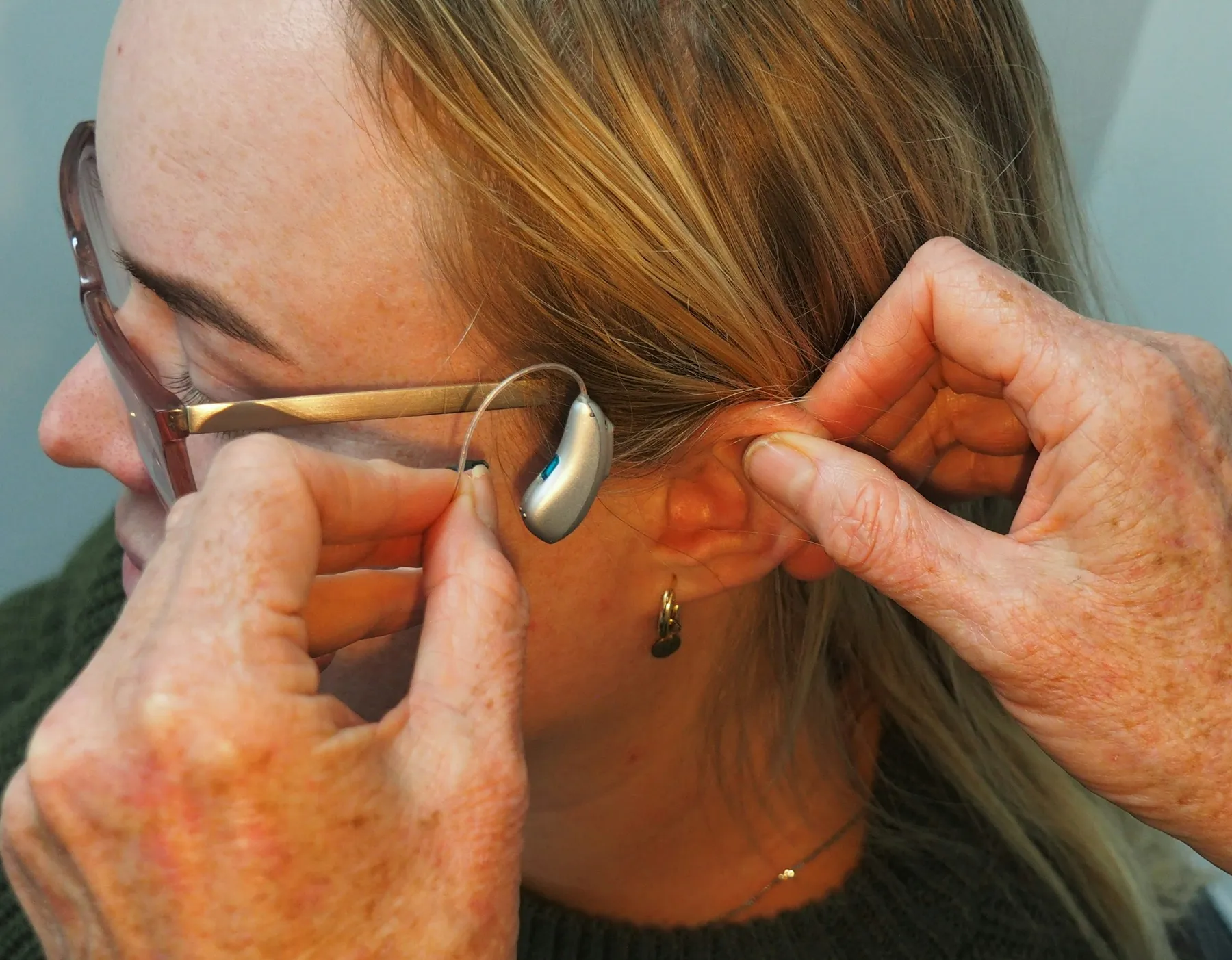
Many modern devices sit entirely within the ear canal, invisible in everyday wear. Others tuck so neatly behind the ear that they disappear against the skin. The bulky, obvious hardware of the past has been replaced by technology designed to be neither seen nor noticed.
Rechargeable and effortless
Fiddling with tiny batteries is largely a thing of the past. Many devices now charge overnight in a small case, much like a phone or a pair of wireless earbuds, and give you a full day of hearing on a single charge.
Connected to your world
Today’s hearing aids stream sound directly from your phone, television and other devices, so calls, music and programmes come through clearly and naturally. Many can be fine-tuned from an app, and adapt automatically as you move between a quiet room and a busy restaurant.
The cost of waiting
Hearing tends to change gradually — conversations become harder to follow, the television creeps up in volume, background noise becomes tiring. Because it happens slowly, it is easy to put off doing anything. But addressing it earlier is consistently linked to staying socially connected and engaged, and modern technology makes that step far smaller than most people fear.
Your hearing deserves the same attention as your vision — calm, modern and entirely free of stigma.← Back to the Journal